Your feet do a lot more than carry you from one place to another. They adjust to the ground, help you balance, absorb and transfer forces, and provide a base for pushing off when you walk, run, jump, or climb stairs.
Yet it's common to think of the foot as a rigid structure that should stay in one position. In reality, a healthy foot needs to move. It also needs to manage load and provide enough support for the activity you're doing.
Your foot adapts to the task
When you walk, your foot changes shape as it accepts your weight and moves through the step. Later in the stride, it helps you push forward. The joints, muscles, tendons, ligaments, and arch all contribute to this process.
The arch isn't simply a structure that must stay high at all times. It can change shape as you load the foot and move through different activities.
That adaptability matters on uneven ground, during stairs, and when you shift your weight from one leg to the other. Running and jumping create different demands again, because the foot must handle repeated loading and help transfer force through the leg.
Does more movement mean a problem?
No. Seeing your arch lower when you stand or noticing that your foot moves inward as you walk doesn't automatically mean something is wrong.
Foot shape and movement vary from person to person. Some people have low arches and no pain or functional limitations. Others may experience symptoms related to the foot or ankle that deserve further assessment.
The important question is whether your foot's movement, strength, or load tolerance is relevant to the problem you're experiencing.
For example, persistent pain around the arch, difficulty pushing off, repeated ankle sprains, or trouble tolerating longer walks may warrant a closer look. The location and timing of symptoms help determine what needs to be considered.
Mobility and support work together
A foot that moves comfortably may still need to develop strength and control for a demanding activity. Likewise, someone who has plenty of strength may have difficulty with a task that requires ankle or foot mobility.
Neither flexibility nor stiffness is automatically good or bad. What matters is whether your current abilities meet the demands of your daily life, work, exercise, or sport.
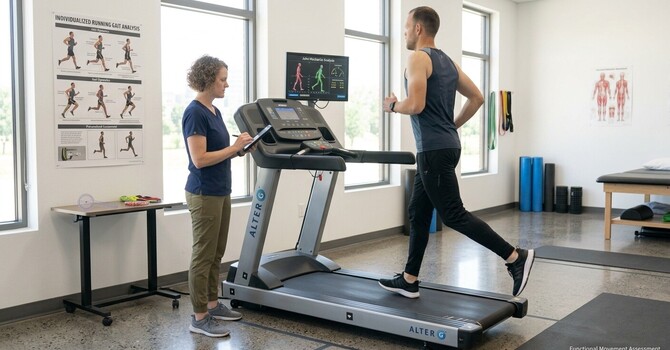
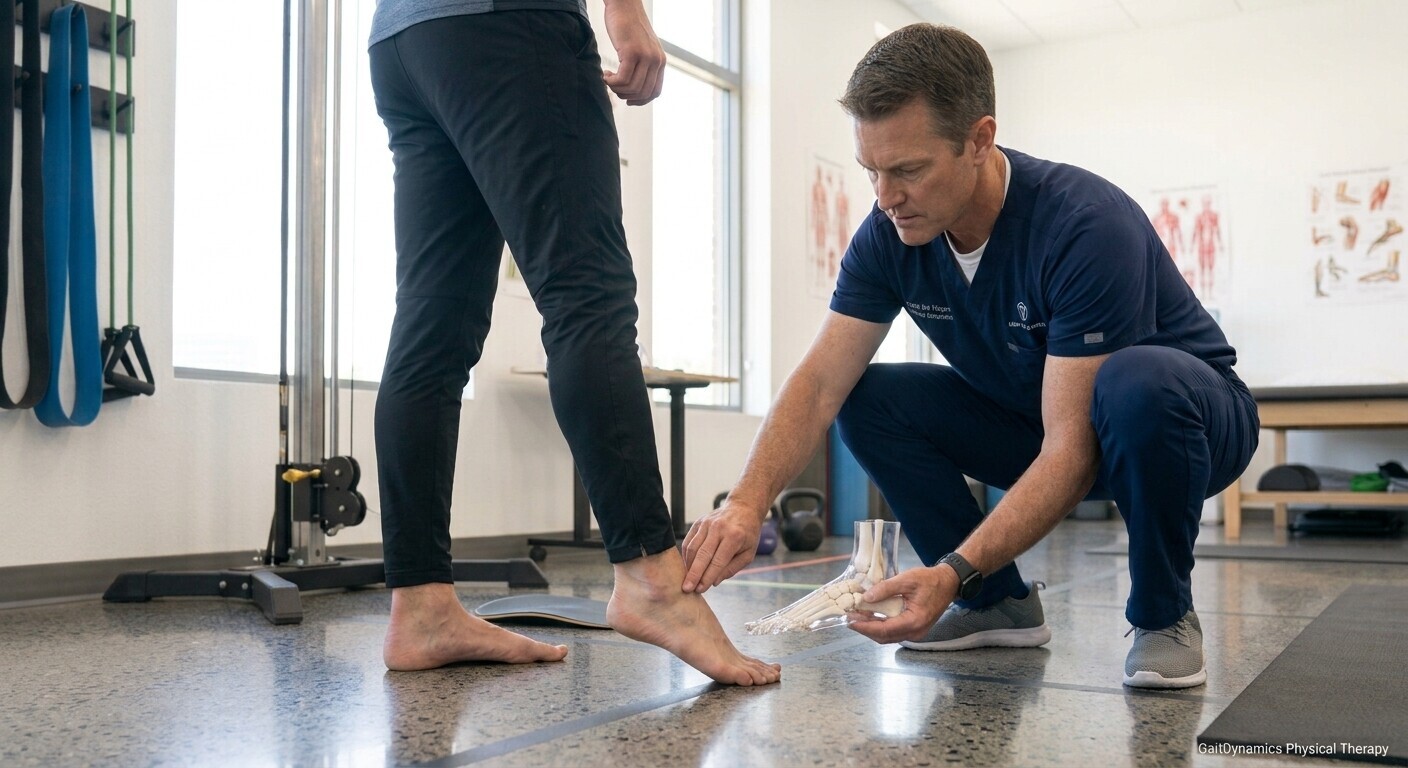
Depending on your symptoms, an assessment may include foot and ankle movement, calf strength, balance, walking, and functional tasks such as a heel raise or step-down. The clinician may also examine the knee and hip when relevant.
The goal isn't to force your feet into a particular shape. It's to understand how they function and whether a specific limitation deserves attention.
Think about what you need your feet to do
Standing comfortably through a workday, walking on vacation, returning to running, and playing recreational sports all place different demands on your feet.
At Optimal Health, a foot and ankle evaluation can help connect your symptoms with the activities you want to keep doing. The findings can guide an individualized plan that may include mobility work, strengthening, balance training, activity adjustments, or other appropriate care.
CTA: If foot discomfort or limited mobility is affecting your walking, exercise, or daily routine, schedule an evaluation to better understand what may be contributing and what steps make sense for you.