When knee pain appears during running, advice about form often follows quickly.
Shorten your stride. Land on your forefoot. Keep your knees from moving inward. Change your shoes.
Some running modifications may help certain people, but changing everything at once can create new questions without clarifying the original problem.
The better approach is to determine whether running mechanics are relevant to your symptoms and whether a specific change is likely to help.
Is there one correct way to run?
Runners differ in their stride, cadence, foot strike, body proportions, pace, and training history. Variation alone doesn't mean that someone is running incorrectly.
That said, running mechanics can influence the demands placed on different tissues. In selected runners with patellofemoral pain, a clinician may consider gait retraining, including changes in cadence or other running characteristics.
The decision depends on the runner's symptoms, assessment findings, goals, and response to the proposed change. A cue that helps one person may be unnecessary or uncomfortable for another.
What might a running assessment include?
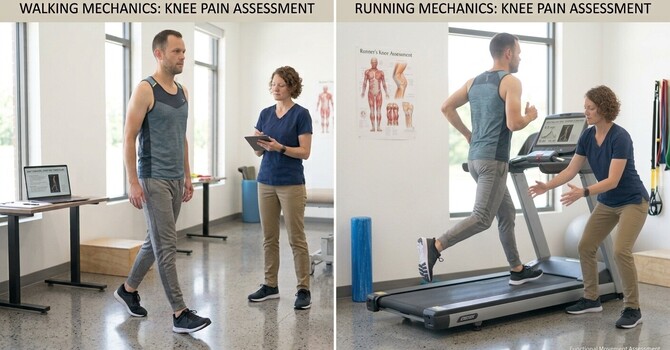
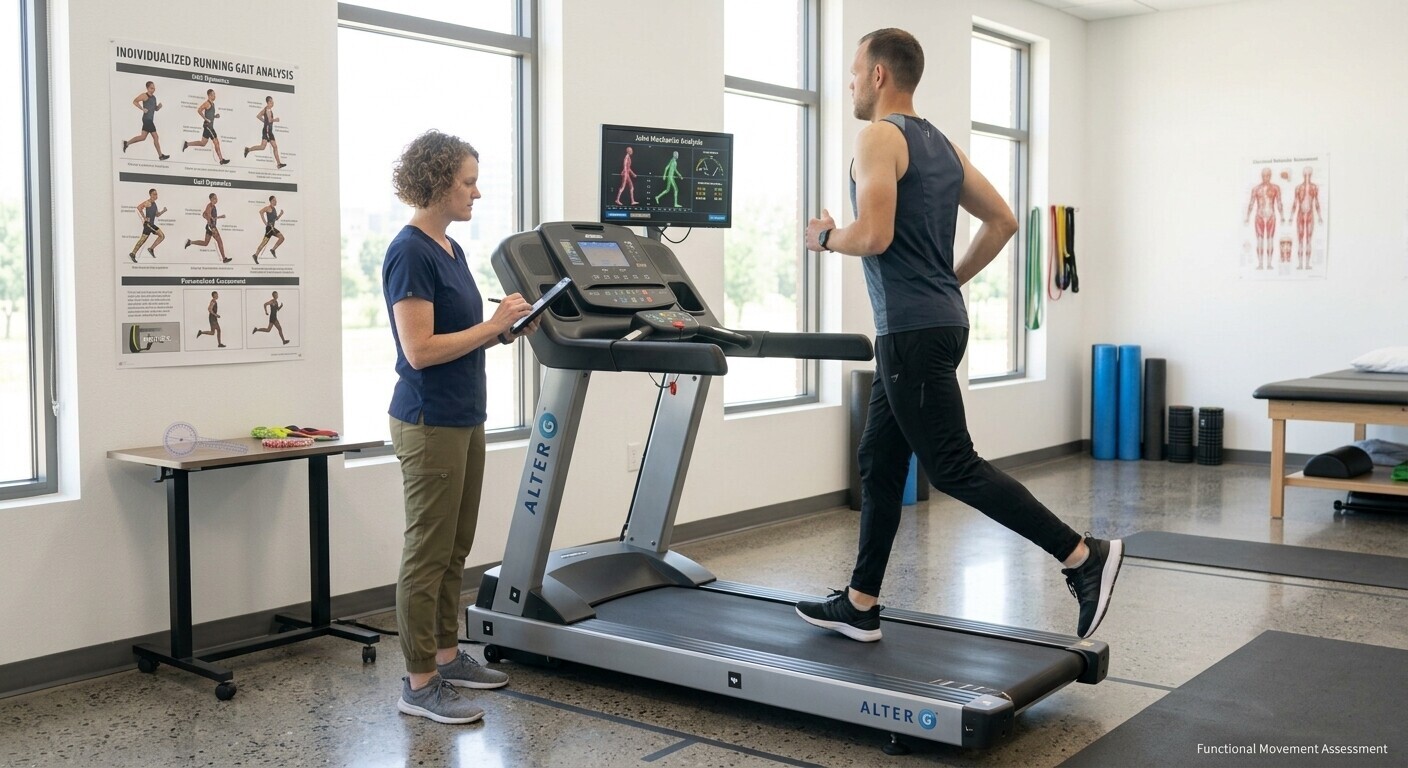
If it is appropriate and safe to observe your running, a clinician may look at pace, stride characteristics, symptom onset, and how your movement changes as the run continues.
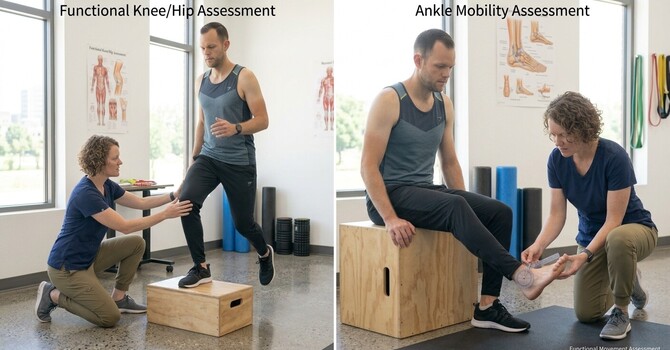
The assessment should also consider your recent training load, knee and hip strength, mobility, injury history, and tolerance for other functional tasks.
A video of your running may provide useful information, but it cannot diagnose every knee problem by itself. Visible movement differences need to be interpreted in context.
Should you change your foot strike?
Not automatically.
Switching from a heel-first landing to a forefoot landing changes the demands placed on the lower leg and foot. A major change can also increase stress on structures that aren't accustomed to it.
If a gait modification is appropriate, it should be introduced deliberately and progressed according to your response. A sudden overhaul of your running style is rarely the best first step when the cause of pain is still unclear.
Training load still matters
Even when a running modification is useful, it doesn't replace appropriate management of training demands.
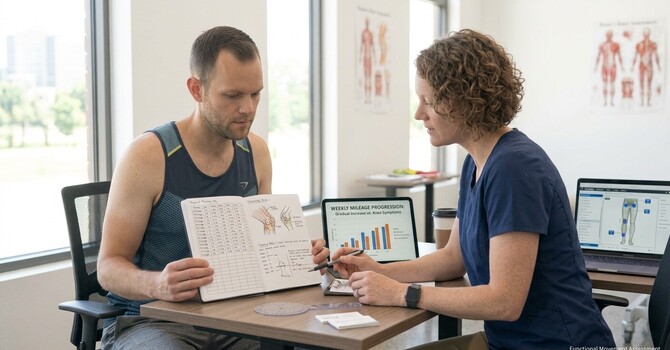
If pain started after adding hills, speed work, or more weekly mileage, adjusting those demands may be an important part of the plan. Depending on the findings, rehabilitation may also include hip- and knee-targeted strengthening and a gradual return to running.
Pain that worsens, alters your gait, or remains significantly aggravated after running is a reason to reassess rather than keep pushing. Significant swelling, locking, instability, inability to bear weight, or a substantial injury warrants prompt medical evaluation.
Make changes for a reason
A useful plan identifies which factors are relevant to you, introduces changes that have a clear purpose, and checks whether they improve symptoms and function.
At Optimal Health, the goal is to connect your running demands with your assessment findings rather than assume that every runner needs a form correction. The right approach should support the activities you want to return to.
CTA: If you have tried changing your running form without a clear improvement, or you're unsure what to change first, schedule an evaluation to discuss your symptoms and whether gait assessment or another approach makes sense.