Your knee has started feeling better, and you're ready to run again.
But how much should you do? Should you return to your old mileage, try a short jog, or wait another week?
There isn't one calendar date or single test that answers those questions for every runner. A sensible return depends on the condition being managed, your current symptoms, and your ability to tolerate the demands of running.
Start with everyday function
Before increasing running, consider how your knee handles ordinary activities.
Can you walk comfortably? Are stairs and basic movements manageable? Is swelling present? Does the knee feel stable, or are you experiencing locking or giving way?
These questions don't prove that you're ready to run, but they help identify whether there are ongoing problems that need further assessment.
If you have persistent swelling, significant pain, instability, locking, or difficulty bearing weight, don't use a test run to find out whether the knee is ready. Seek appropriate medical evaluation.
Consider strength and functional tolerance
Running requires repeated loading, so your ability to manage lower-body demands matters.
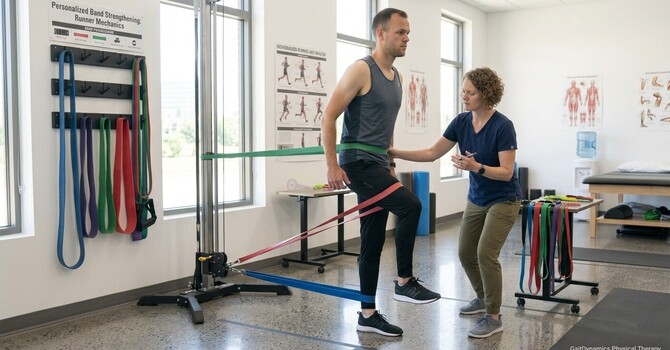
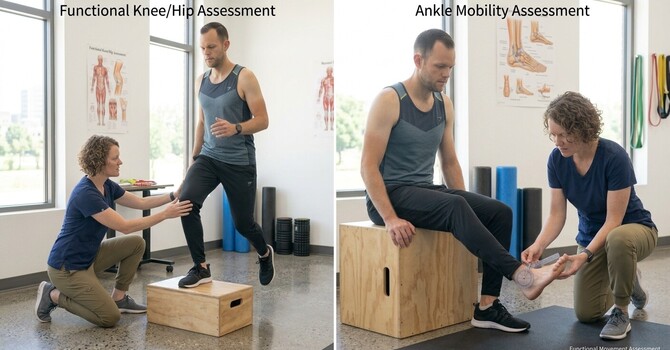
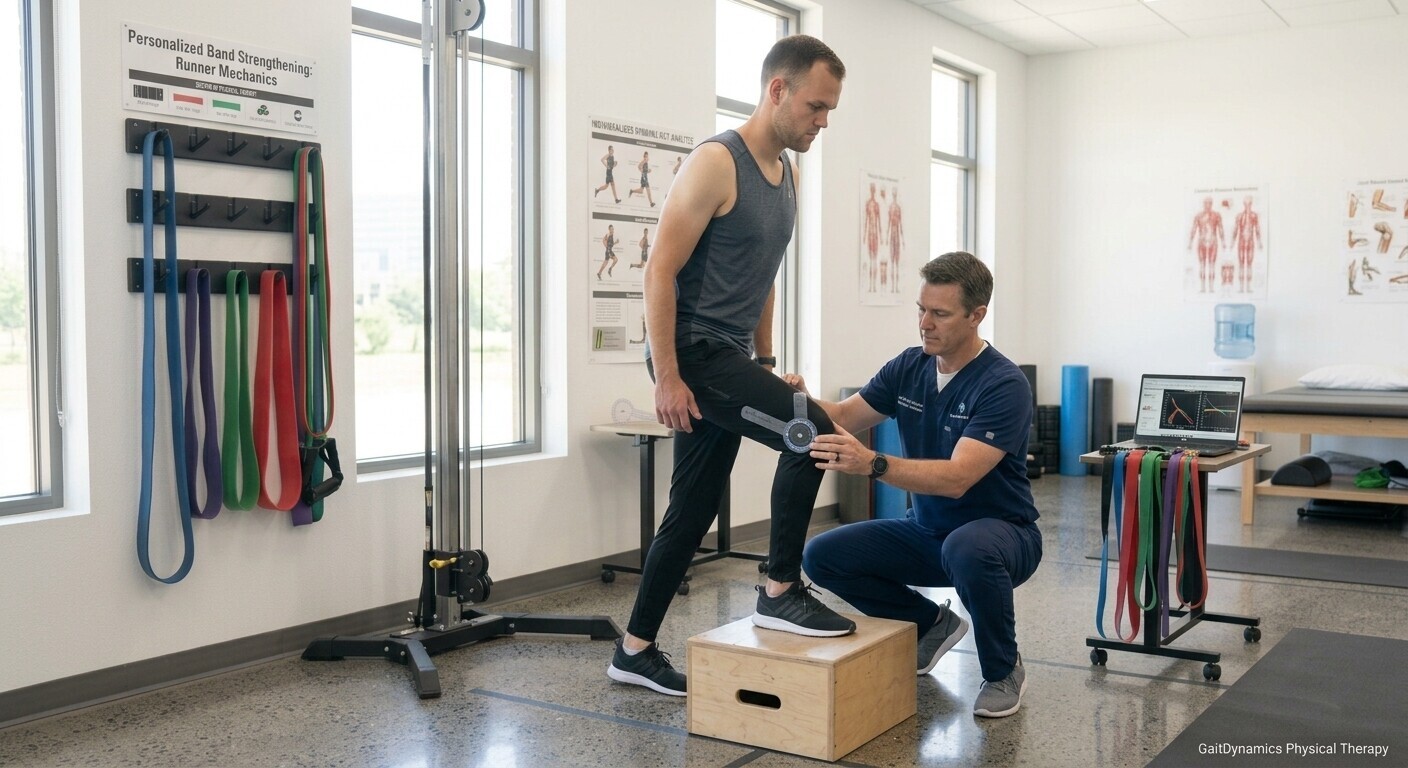
Depending on your symptoms and diagnosis, a clinician may assess knee and hip strength, balance, single-leg tasks, and other movements relevant to your running goals. The findings can help identify limitations that should be addressed before training progresses.
There isn't a universal strength threshold that guarantees a safe return for every runner. The appropriate criteria depend on the problem being treated and the demands of the planned running program.
Start with a manageable dose
When a return is appropriate, beginning below your previous training level may help you judge your current tolerance.
That could involve alternating walking and short running intervals, reducing hills, or keeping the pace comfortable. The specific starting point should reflect your assessment findings and recent activity tolerance.
Avoid increasing distance, speed, hills, and frequency all at once. Changing one major training demand at a time can make it easier to understand how your knee responds.
Monitor symptoms during the run and afterward. If pain escalates, your gait changes, or the knee is significantly more aggravated later or the next day, the current workload may be too much.
Progress based on your response
Returning to a short, comfortable run is one step, not necessarily the finish line.
Your eventual goal might be running several miles, completing a race, keeping up with a running group, or simply enjoying regular exercise. Each goal places different demands on your body.
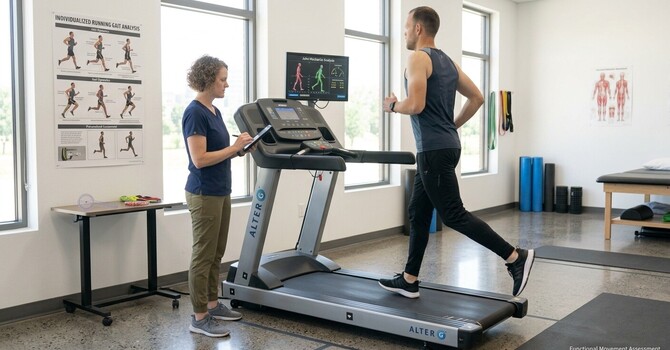
A plan may include strengthening, gradual running exposure, recovery time, and adjustments based on symptoms. Running mechanics may also be assessed when there is a clear reason to do so.
If progress stalls or symptoms return repeatedly, reassessment can help determine whether the workload needs adjusting or whether the original explanation for the pain should be reconsidered.
Build toward the running you want to do
The purpose of rehabilitation is not just to make a short test run feel acceptable. It's to help you prepare for the activities you want to maintain over time.
At Optimal Health, an evaluation can help connect your current symptoms and functional capacity with the demands of your running goals. From there, the plan can be adjusted as your tolerance and performance change.
CTA: If your knee is feeling better but you're unsure how to return to running, schedule an evaluation to discuss your current function, training goals, and a reasonable progression.