You wake up, roll out of bed, and immediately feel that familiar stiffness pulling across your lower back. You drop to the floor to do some stretches—maybe pulling your knees to your chest or doing a few yoga poses. For a few minutes, you feel a wave of relief. But by the time you finish your morning coffee, that stubborn tightness has returned.
This experience is more common than you might think. In fact, according to research published in the journal Pain, up to 60–80% of adults experience lower back pain or tightness at some point in their lives. Another study in the Journal of Orthopaedic & Sports Physical Therapy found that feelings of back "tightness" can persist even after stretching because the underlying issue is often related to joint mobility, muscle control, or daily habits rather than just muscle length. Data from the American Physical Therapy Association also shows that muscle guarding, weakness in the core or glutes, and prolonged sitting are leading contributors to ongoing lower back discomfort.
If you stretch your back every day but never seem to make any lasting progress, you are not alone. It can be incredibly frustrating to feel like you are doing everything right, only to be met with constant stiffness.
At Optimal Health, we help patients across South Jersey solve this exact puzzle. The truth is, a feeling of "tightness" in your back does not always mean your muscles simply need more stretching. Let us explore why your lower back feels constantly tight and what you can do to find true relief.
Why Tightness Isn’t Always About Stretching
When a muscle feels tight, our first instinct is to stretch it. We assume the muscle is physically short and needs to be pulled back to its normal length. However, the sensation of tightness is often a neurological response rather than a physical shortening of the muscle fibers.
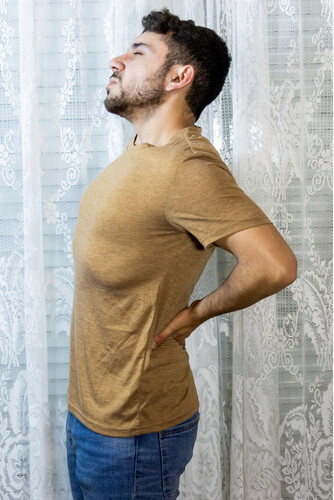
What feels like "tightness" may actually be your body trying to protect an area that feels unstable, irritated, or overworked. Your brain senses that something in your lower back or pelvis is not functioning correctly, so it commands the surrounding muscles to tighten up and act like a natural splint.
If you stretch a muscle that is trying to protect a vulnerable joint, your brain will simply tighten that muscle right back up as soon as you stop stretching. To get rid of the tightness for good, you have to address the root cause of why your brain feels the need to protect that area in the first place.
Common Reasons for Persistent Lower Back Tightness
If stretching is not the answer, what is actually going on? Here are some of the most common reasons we see patients dealing with persistent lower back tightness.
Muscle Guarding or Protective Tension
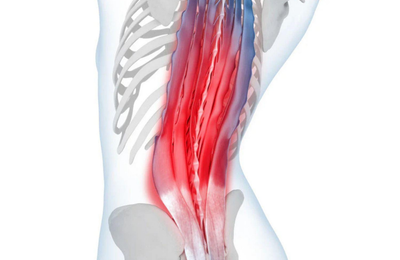
As mentioned, your body is smart. If you have a minor injury, joint irritation, or inflammation in your lower back, your nervous system will tell your muscles to contract and guard the area. This protective tension prevents you from moving in ways that might cause further damage. Stretching these muscles only fights against your body's natural defense mechanism.
Joint Stiffness in the Lower Back, Pelvis, or Hips
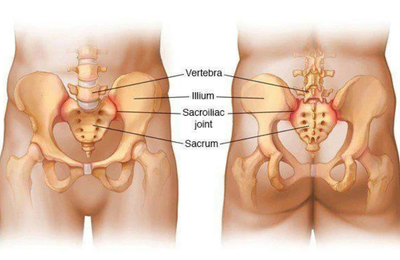
Sometimes, the joints themselves are the problem. If the small joints in your spine (facet joints) or the joints connecting your spine to your pelvis (SI joints) become stiff and restricted, the muscles around them have to work twice as hard to create movement. This constant overworking leads to a feeling of deep, persistent tightness that no amount of forward-bending will fix.
Limited Hip Mobility
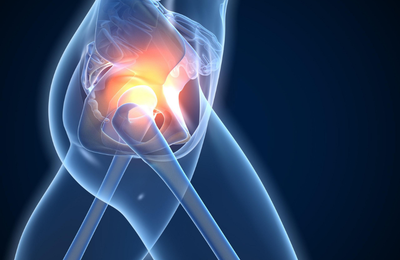
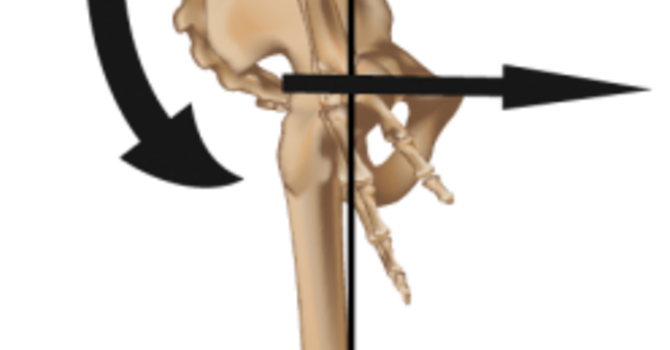
Your lower back and your hips are close neighbors. They share the workload when you walk, bend, lift, and twist. If your hips are stiff and lack their normal range of motion, your lower back has to compensate by moving more than it is designed to. This excessive movement places high stress on the muscles of the lower back, causing them to fatigue and tighten up.
Weakness or Poor Control in the Core and Glutes
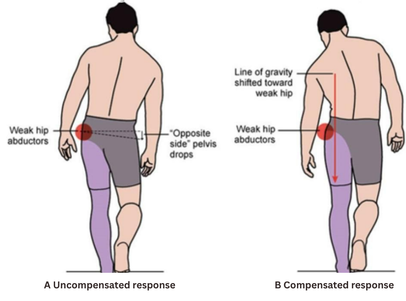
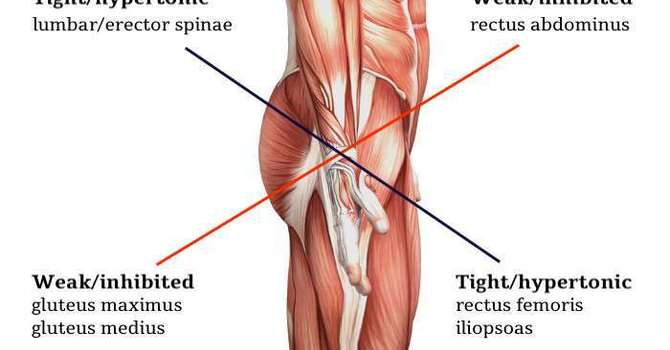
Your core and glute muscles form a supportive cylinder around your spine. If these muscles are weak or fail to engage correctly when you move, your spine loses its support system. To keep your spine stable, the smaller muscles in your lower back have to clench and hold on for dear life. Strengthening your core and glutes takes the pressure off your back muscles, allowing them to finally relax.
Long Hours of Sitting and Daily Posture
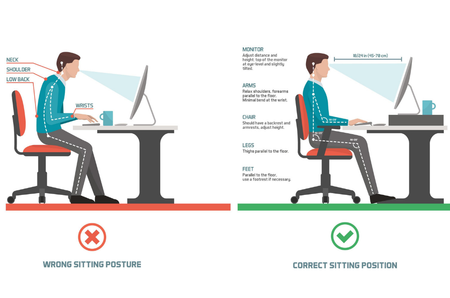
Sitting for eight hours a day changes how your muscles function. When you sit, your hip flexors sit in a shortened position while your glutes become inactive. Over time, this imbalance tilts your pelvis forward, putting a constant, low-level strain on your lower back muscles. No amount of stretching can undo the mechanical stress of prolonged sitting if you do not also change your daily movement habits.
Movement Patterns That Overload the Back
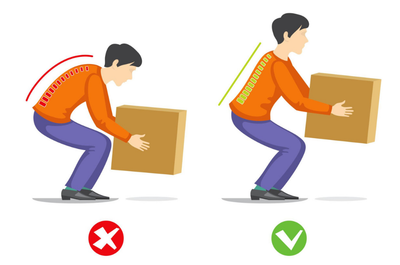
How you move throughout your day matters. If you bend strictly from your waist instead of hinging at your hips, or if you lift heavy objects using your back instead of your legs, you are constantly overloading the lumbar spine. Your muscles will stay tight because they are constantly recovering from the heavy burdens you place on them.
How Optimal Health Can Help
If you are tired of stretching without results, it is time to take a different approach. At Optimal Health, we look beyond the symptom of tightness to find the mechanical root cause of your discomfort.
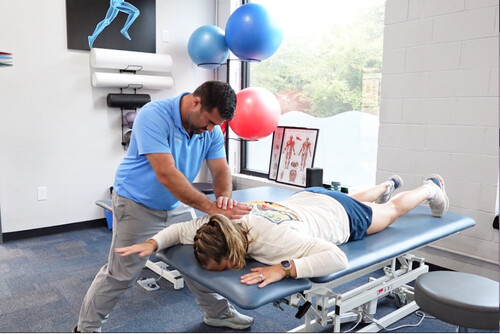
Whether you visit us at our clinic in Egg Harbor Township or our new location in Turnersville, our team uses a comprehensive approach to help you move comfortably again. Here is how we do it:
- Movement Assessments: We start by analyzing how you walk, bend, and move. This helps us identify exactly where you lack mobility and where you lack stability.
- Chiropractic Care: If joint stiffness is triggering your muscle tension, gentle chiropractic adjustments can restore proper mobility to your spine and pelvis, signaling your muscles that it is safe to relax.
- Physical Therapy: We guide you through targeted exercises to strengthen your core, glutes, and supporting muscles. Building this essential strength takes the chronic burden off your lower back.
- Manual Therapy: We use hands-on techniques to reduce muscle tension, break up scar tissue, and improve blood flow to irritated areas.
- Corrective Exercises: We teach you specific mobility routines that address your unique imbalances, ensuring your hips and middle back are moving correctly.
- Guidance on Posture and Habits: We help you evaluate your workstation, your sitting habits, and your daily movement patterns to prevent tightness from returning.
Take the Next Step Toward Lasting Relief
Living with a tight, stiff back can drain your energy and limit your ability to enjoy your favorite activities. But you do not have to accept it as a normal part of life. By understanding the true cause of your tension and addressing the underlying imbalances, you can break the cycle of endless stretching and experience lasting relief.
If you are dealing with constant lower back tightness, let us help you find relief. Schedule an evaluation with our team at Optimal Health today, and let us build a personalized plan to get you moving freely and comfortably once again.