Tight muscles can be frustrating. You stretch, rest, use heat, and maybe even get a massage, but the same area still feels stiff, sore, or limited. For many people, that lingering discomfort is not just about muscle tension. It can also involve irritated soft tissue, scar tissue, and restricted movement patterns that keep the problem coming back.
That is where Active Release Techniques (ART) can help. At Optimal Health, we use ART as part of a hands-on, conservative approach to help patients in South Jersey move better and feel better. If you are dealing with chronic tightness, soft tissue pain, or mobility issues, this treatment may be worth understanding.
In this blog, we will explain what ART is, how it works, who may benefit from it, and how it can fit into a full treatment plan at Optimal Health.
What Is Active Release Techniques (ART)?
Active Release Techniques, often called ART, is a hands-on treatment method used to address problems in muscles, tendons, ligaments, fascia, and nerves. These tissues are all part of the body’s soft tissue system.
ART is designed to find and treat restricted areas in soft tissue. These restrictions can develop for many reasons, including:
- Overuse
- Repetitive movement
- Sports injuries
- Poor posture
- Muscle strain
- Surgery
- Old injuries that did not fully recover
When soft tissue is stressed again and again, it may develop small areas of scar tissue or adhesions. Adhesions are places where tissues become less smooth and less flexible. Instead of gliding well, the tissue can feel tight, stuck, weak, or painful.
ART aims to improve the way those tissues move. It is a specific, movement-based treatment that combines manual pressure with guided motion to help reduce restrictions and restore more normal function.
How ART Works
ART is different from a general massage. It is more targeted and structured.
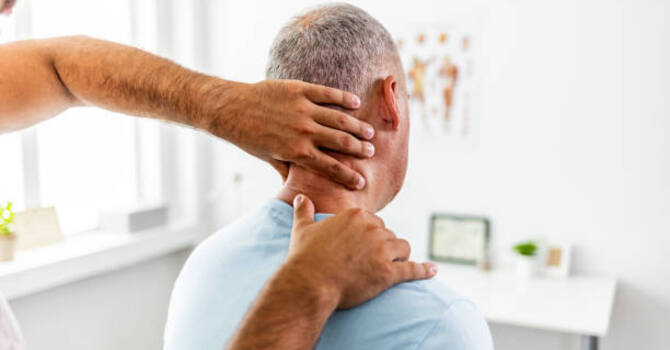
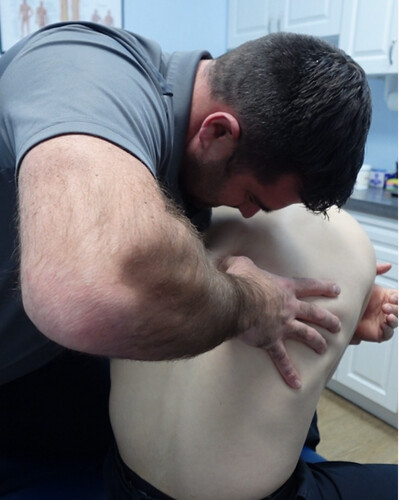
During an ART session, the provider first identifies the area that feels restricted or irritated. Then they use their hands to apply precise tension to that tissue while guiding the body part through a specific movement. This combination of pressure and motion helps treat the tissue at the exact spot where it is not moving well.
Breaking up adhesions
One of the main goals of ART is to address adhesions and scar tissue. When muscles and other soft tissues develop these restrictions, they may not lengthen and contract the way they should. That can lead to pulling, tightness, weakness, or pain with activity.
By applying pressure while the tissue moves, ART may help loosen up those restricted areas and improve tissue glide.
Improving blood flow
Restricted soft tissue can also affect circulation in the area. When movement improves, blood flow may improve too. Healthy circulation matters because it helps deliver oxygen and nutrients to the tissue and supports the body’s normal healing process.
Restoring normal tissue function
ART is not only about making an area feel looser. The bigger goal is to help the tissue function better. When muscles, tendons, and fascia move more normally, people often notice:
- Less pain
- Better mobility
- Easier movement
- Less pulling or catching
- Improved performance during activity
Some patients feel relief quickly. Others need a series of treatments, especially if the issue has been around for a long time or involves several body regions working together.
Who Can Benefit From ART?
ART can be helpful for many people, not just athletes. It is often used for active adults, desk workers, weekend warriors, and people recovering from old injuries.
Here are some common issues ART may help address.
Chronic muscle tightness
If you always feel tight in the same area, there may be more going on than a simple need to stretch. ART may help when muscle tightness is related to soft tissue restrictions, overuse, or poor movement patterns.
Sports injuries
Athletes often put repeated stress on the same muscles and joints. That can lead to scar tissue, reduced mobility, and pain. ART is commonly used for overuse injuries involving the hamstrings, calves, shoulders, hips, and other high-demand areas.
Repetitive strain injuries
Repetitive tasks at work, in sports, or in daily life can irritate muscles, tendons, and nerves. Conditions such as tennis elbow and some forms of carpal tunnel syndrome may involve soft tissue tension that ART can help address as part of a broader plan.
Neck and back pain
Neck and back pain are often influenced by muscle tension, poor movement mechanics, and soft tissue restriction. ART may help reduce tension in surrounding muscles and improve the way the body moves.
Sciatica
Sciatic-type pain can have more than one cause. In some cases, tight or irritated soft tissue around the hips and pelvis may contribute to symptoms. ART may be used to address muscular tension and restrictions that affect the area.
Plantar fasciitis
Heel and foot pain can be linked to tightness and stress in the plantar fascia, calf muscles, and surrounding tissues. ART may help improve mobility and reduce soft tissue tension in the lower leg and foot.
Post-surgical scar tissue
After surgery, scar tissue is a normal part of healing. But sometimes it can become restrictive and limit movement. In appropriate cases, hands-on care such as ART may help improve tissue mobility around healed areas as part of recovery.
Benefits of ART
ART is often used because it can support both pain relief and movement. While each person responds differently, many patients seek ART for a few key reasons.
Pain relief
Restricted tissue can create tension and irritation during daily movement. By improving how the tissue moves, ART may help reduce discomfort in muscles and surrounding areas.
Improved mobility
When tissues feel stuck, movement can feel limited. ART may help improve range of motion in areas such as the neck, shoulders, hips, back, and legs.
Faster recovery from injuries
Soft tissue injuries can linger if movement patterns do not improve. ART may support recovery by addressing restrictions that keep tissue from functioning well.
Better athletic performance
Athletes often need muscles and joints to move freely and efficiently. When mobility improves and pain decreases, performance may improve too. That is one reason ART is popular in sports medicine settings.
Research on manual soft tissue therapies suggests they may help improve pain, range of motion, and short-term function when used appropriately as part of a treatment plan. Outcomes are often best when hands-on care is paired with exercise and movement-based rehabilitation rather than used alone.
How ART Fits Into a Comprehensive Treatment Plan
ART can be very helpful, but it usually works best as part of a bigger picture.
At Optimal Health, we know that tight muscles and soft tissue pain are often connected to joint stiffness, weakness, posture, training habits, or movement mechanics. If you only treat the sore spot, the problem may return.
That is why ART is often combined with other conservative treatments.
Chiropractic care
If joint restriction is contributing to abnormal movement, chiropractic care may help improve mobility in the spine or other joints. Better joint motion can reduce stress on surrounding muscles and soft tissues.
Physical therapy
Physical therapy helps strengthen the muscles that support healthy movement. This matters because if a tissue problem is tied to weakness or poor control, hands-on treatment alone may not be enough.
Corrective exercises
Corrective exercises help retrain movement patterns. These exercises may focus on flexibility, stability, balance, posture, or muscle activation depending on the person’s needs.
Movement assessment
A thorough assessment helps identify why the tissue became irritated in the first place. This may include looking at posture, walking, lifting, exercise habits, or sport-specific movement.
In other words, ART can help calm things down, but lasting results often come from pairing treatment with the right mobility and strengthening plan.
How Optimal Health Uses ART
At Optimal Health, ART is used as part of an individualized treatment approach for patients across South Jersey. We do not assume every tight muscle needs the same treatment. Instead, we look at the full picture.
If you come in with soft tissue pain, chronic tightness, or mobility issues, your care may begin with an evaluation to understand:
- Where your symptoms are located
- What movements trigger
- What activities alleviate
- Where you have previous injuries
Based on this information, our team will create a personalized ART treatment plan for you. This may include:
- Specific soft tissue techniques to release adhesions and scar tissue
- Mobility exercises to improve range of motion and function
- Strengthening exercises to help stabilize and support the affected area
- Home care recommendations to continue progress outside of sessions
What to Expect During an ART Session
Understanding what happens during an ART session can help you prepare and maximize the benefits of the treatment.
Initial Consultation and Assessment
An ART session typically begins with an initial consultation and assessment. The practitioner will evaluate your medical history, discuss your symptoms, and perform a physical examination to identify areas of restriction or tension. This comprehensive assessment ensures that the treatment is tailored to your specific needs.
The ART Treatment Process
During the treatment, the practitioner applies precise tension to the affected tissues while guiding you through specific movements. This combination of manual manipulation and active movement helps to break down adhesions and restore normal tissue function. Each session is customized based on your condition and response to the therapy.
Post-Treatment Care and Recommendations
After an ART session, you may receive recommendations for stretches or exercises to maintain the benefits of the treatment. These post-treatment guidelines are designed to support your recovery and prevent the recurrence of tissue restrictions, ensuring long-term improvements in mobility and pain relief.
Frequently Asked Questions About Active Release Techniques (ART)
1. Is ART painful?
ART can feel intense at times, especially if an area is very tight or sensitive, but it should not feel overwhelming. Many patients describe it as a “good hurt” or a deep pressure that feels productive. Your provider will work within your comfort level and adjust treatment as needed.
2. How long does an ART session take?
An ART session is often part of a larger visit, so the exact time can vary. In many cases, the ART portion may take about 10 to 20 minutes, depending on the area being treated and your needs. Your provider will let you know what to expect during your visit.
3. How many ART sessions will I need?
That depends on your symptoms, how long the issue has been going on, and what is causing it. Some people notice improvement quickly, while others need a series of visits for better results. If the problem is related to posture, movement habits, or weakness, treatment may also include exercises and other care to help you keep improving.
4. Is ART safe for everyone?
ART is safe for many people, but it may not be right for every situation. Your provider will first look at your health history, symptoms, and any recent injuries before deciding if ART is appropriate. In some cases, another treatment approach may be a better place to start.
5. How do I know if ART is right for me?
If you are dealing with stubborn muscle tightness, soft tissue pain, or limited mobility that keeps coming back, ART may be worth considering. The best way to know is to have an evaluation. At Optimal Health, we help patients in Egg Harbor Township, Turnersville, and across South Jersey understand what may be causing their symptoms and whether ART fits into the right treatment plan.
If you are curious about Active Release Techniques, scheduling an evaluation can help you decide what next step makes the most sense for your body.
Ready to Move Better?
Our goal is not just temporary relief. We want to help you move better, reduce recurring tension, and support long-term function.
If you are dealing with tight muscles, soft tissue pain, or recurring movement restrictions, our team at Optimal Health can help determine whether ART Technique may be appropriate for you.
Egg Harbor Township: 609-415-2821
Turnersville: 856-295-0366