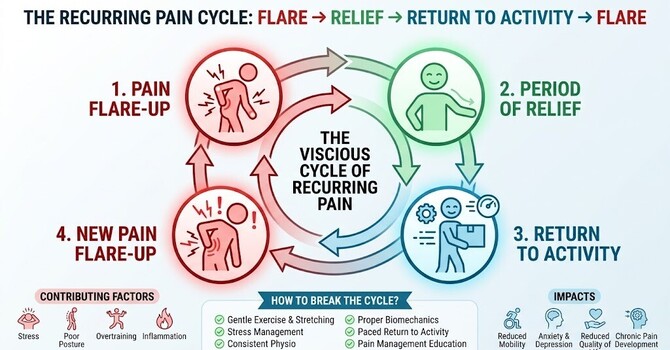
Inflammatory joint diseases encompass a debilitating spectrum of chronic conditions that severely impact mobility and overall quality of life. Unlike degenerative conditions like osteoarthritis, which stem primarily from mechanical wear and tear, inflammatory joint diseases are driven by an overactive immune system that attacks the synovial lining of the joints.
Classic examples include Rheumatoid Arthritis (RA), Psoriatic Arthritis, and Ankylosing Spondylitis. These conditions cause persistent, widespread inflammation that leads to progressive joint erosion, severe discomfort, and long-term disability if left unmanaged. While traditional protocols heavily rely on systemic pharmaceuticals, non-invasive modalities like Extracorporeal Shockwave Therapy (ESWT) are emerging as powerful adjunctive treatments.
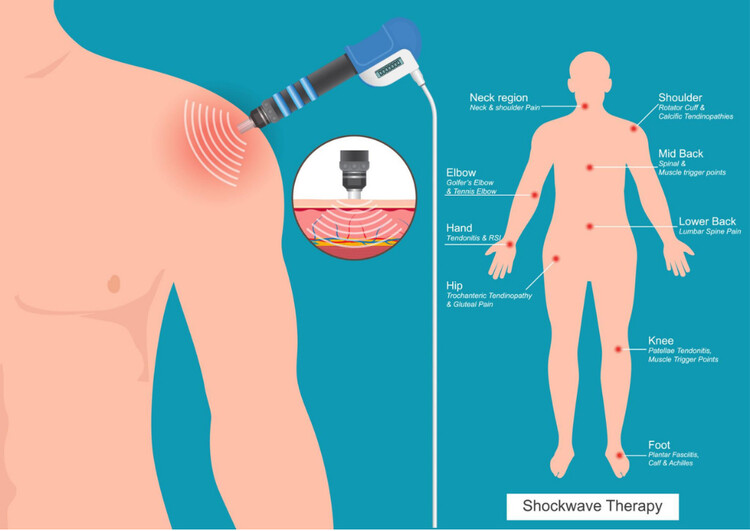
The primary objective of incorporating shockwave therapy into an inflammatory joint disease management plan is the alleviation of its most debilitating symptoms. Patients suffering from these conditions typically experience chronic, throbbing pain, severe morning stiffness, and restricted ranges of motion that make daily tasks difficult.
ESWT has demonstrated a remarkable ability to significantly reduce joint pain and tenderness. By dampening the localized pain signals, shockwave therapy helps restore joint mobility and eases physical stiffness. This symptomatic relief allows patients to engage more comfortably in physical therapy and daily activities, effectively breaking the cycle of pain and physical deconditioning.
To understand how shockwave therapy achieves these results, it is essential to look at its mechanical and biological mechanisms. ESWT delivers high-energy acoustic waves directly through the skin into the affected joint tissues.
When these physical shockwaves hit the inflamed synovium and surrounding tendons, they create microtrauma at a cellular level. Far from causing harm, this controlled mechanical stress triggers a biological cascade known as mechanotransduction. The cells respond to the acoustic pressure by releasing healing growth factors, accelerating tissue remodeling, and breaking down calcified deposits that often form in chronically inflamed joints.
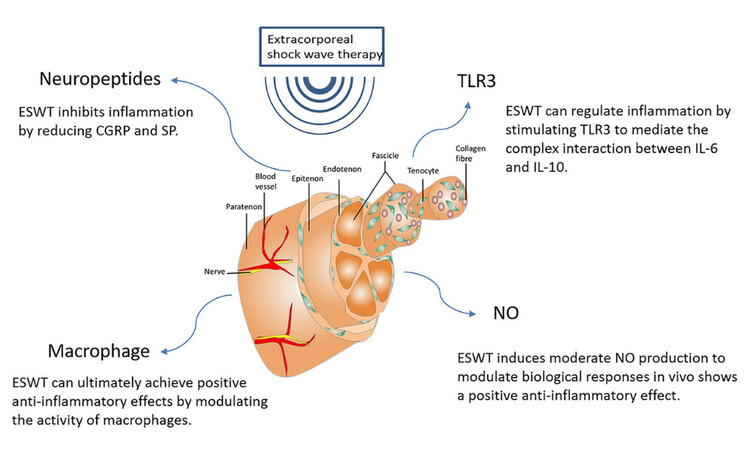
At the core of ESWT’s success with inflammatory joint diseases is its profound impact on cellular signaling and inflammation. The acoustic waves stimulate the expression of specific proteins, such as vascular endothelial growth factor (VEGF), which promotes neovascularization—the formation of new blood vessels.
This improved blood supply delivers essential nutrients and oxygen to the starved, damaged joint tissues while flushing out inflammatory cellular waste. Furthermore, studies indicate that shockwave therapy downregulates pro-inflammatory cytokines (the signaling molecules that drive autoimmune destruction) and increases the local concentration of nitric oxide, which helps suppress pain and relaxes blood vessels.
Ultimately, shockwave therapy represents a safe, non-invasive, and drug-free frontier in the management of inflammatory joint diseases. By targeting the underlying cellular dysfunction, ESWT goes beyond merely masking discomfort; it actively alters the localized environment of the joint to suppress inflammation and promote tissue repair.
While it does not cure systemic autoimmune conditions, it provides a vital tool for local symptom management. For individuals struggling with the persistent pain of conditions like rheumatoid or psoriatic arthritis, shockwave therapy offers a promising pathway toward reducing dependency on heavy pain medications and reclaiming a more active, mobile lifestyle.
How Optimal Health Can Help
At Optimal Health, we use Shockwave Therapy (ESWT) as a non-invasive treatment option to help patients dealing with chronic inflammation, joint pain, stiffness, and mobility limitations.
Shockwave Therapy works by delivering acoustic waves into the affected tissues to help stimulate circulation, support tissue healing, and reduce pain in targeted areas. It may also help improve mobility and support the body’s natural recovery process.
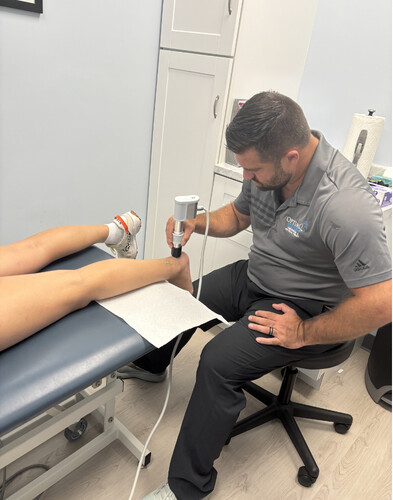
For patients struggling with ongoing inflammatory joint discomfort, ESWT can be used as part of a conservative approach focused on helping you move more comfortably and stay active with less pain.
If joint pain or stiffness has been limiting your daily activities, our team can help determine whether Shockwave Therapy may be appropriate for you.