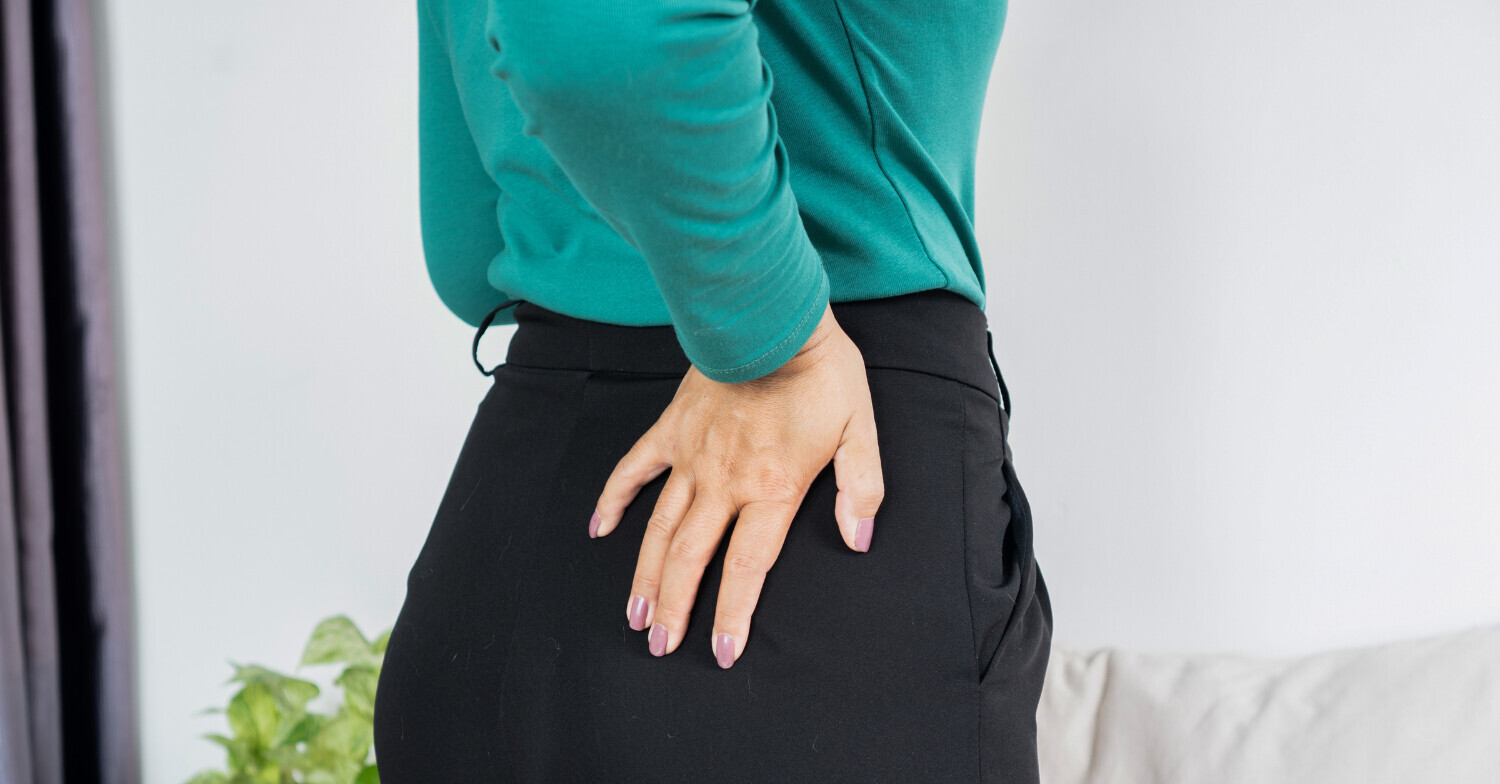
Lower back and hip pain can quietly take over everyday life. What starts as morning stiffness, soreness after work, or discomfort while walking may gradually make simple movements feel exhausting.
Lower back and hip pain may feel like stiffness, sharp pain while bending, aching after sitting, pain while walking, or discomfort that spreads into the legs or buttocks. For many people across Southeast Asia and Africa, where long working hours, physically demanding jobs, and limited access to early care are common, this pain can interfere with work, sleep, mobility, and overall quality of life.
Today, lower back and hip pain is one of the leading causes of disability worldwide. According to the Global Burden of Disease 2021 study, low back pain affects more than 600 million people globally, with the sharpest rise expected in Asia and Africa. Research has also found that the annual prevalence of low back pain in Africa is significantly higher than the global average, while countries across Southeast Asia are seeing a rapidly increasing burden of back pain.
One reason lower back and hip pain can be difficult to manage is that the two areas are closely connected. Pain from the lower back may spread into the hips, while hip problems can sometimes feel like back pain. Muscles, joints, nerves, and movement patterns all work together, which means identifying the true source of pain is not always straightforward.
In many cases, lower back and hip pain is linked to muscle strain, poor posture, prolonged sitting, arthritis, disc problems, or age-related wear and tear. While some cases improve with rest, movement, and physical therapy, others may require medical evaluation — especially if the pain becomes persistent, severe, or starts affecting daily function.
This guide explains the most common causes of lower back and hip pain, warning signs to watch for, available treatment options, and practical ways to support long-term back and hip health.
Where is lower back and hip pain felt?
The lower back and hip area is where several important body structures meet, which explains why pain in this region can feel so confusing. Your lumbar spine, the five vertebrae in your lower back, sits right above your hip joints, creating a complex network of bones, muscles, and nerves that work together every time you move.
The hip joint itself is a ball-and-socket structure where your thigh bone meets your pelvis. In addition, muscles like the psoas major connect your lumbar spine directly to your thigh bone, running through your pelvis. This means when one area has a problem, the other often feels it too.
Pain rarely stays put in just one spot. It tends to spread between your lower back, buttocks, hip, and thigh because these areas share the same nerve pathways. You might feel discomfort radiating from your lower back down to your buttocks and thigh, or starting in your hip and moving toward your back. Sometimes the pain travels down the front of your thigh or settles deep in your groin area.
This spreading pattern makes it challenging to pinpoint exactly where the problem started. Hip issues can create pain that feels like it's coming from your back, while spine problems can send pain signals to your hip and leg. Without proper examination, even doctors can find it tricky to determine whether your hip is causing back pain or your back is causing hip pain.
Common causes of lower back and hip pain
Understanding what might be behind your discomfort can help you make sense of those aches and pains. Here are the most common culprits:
1. Muscle strain or overuse
- Heavy lifting without proper form
- Sudden twisting movements while carrying groceries or children
- Poor posture from prolonged desk work or phone use
- Muscles like the psoas becoming tight and pulling on your lower back
2. Hip joint problems
- Arthritis causing inflammation and stiffness
- Hip impingement from repetitive movements or bone shape variations
- General wear and tear from daily activities or exercise
- Pain typically felt in the groin or front of the thigh
3. Spine-related issues
- Herniated disc pressing on nearby nerves
- Stiffness in the lumbar spine from sitting too much
- Facet joint problems from repetitive movements or aging
4. Sciatica
- Nerve compression in your lower back
- Sharp, shooting pain radiating from your back through your buttock and down your leg
- Often described as burning or electric-like sensations
5. Poor posture and prolonged sitting
- Working at a computer for hours without breaks
- Long commutes or extended periods of driving
- Scrolling on your phone with your head forward
- Hip flexor muscles becoming tight and pulling on your back
6. Trauma or injury
- Falls that impact your tailbone or hip
- Sports injuries affecting muscles or joints
- Sudden impacts that strain the sacroiliac joint
Symptoms that may occur with lower back and hip pain
Recognizing the symptoms of lower back pain and symptoms of hip pain can help you understand what your body is telling you.
1. Stiffness in the morning
- Difficulty getting out of bed
- Feeling "locked up" until you start moving
- Gradual improvement as you begin your daily activities
2. Pain when walking, standing, or sitting
- Discomfort that changes with different positions
- Difficulty finding a comfortable way to sit or stand
- Pain that worsens with certain movements or activities
3. Pain on one side of the body
- Lower back and hip pain on one side that doesn't affect the other
- Uneven discomfort that might indicate muscle imbalances or specific joint issues
4. Reduced range of motion
- Trouble bending forward or backward
- Difficulty lifting your leg or rotating your hip
- Feeling like your movements are limited or restricted
5. Pain worsening at night or after rest
- Discomfort that builds up when you're not moving
- Trouble finding a comfortable sleeping position
- Pain that's worse when you first wake up
What lower back and hip pain on one side may indicate
When you experience lower back and hip pain on one side, your body is often pointing to specific issues that affect just one part of your anatomy.
1. Muscle imbalance
- One side of your body working harder than the other
- Tight muscles on one side pulling your spine or pelvis out of alignment
- Common from carrying bags on one shoulder or favoring one leg
2. Sciatic nerve irritation
- Compression affecting just one side of your body
- Pain that follows the path of the nerve down one leg
- Often accompanied by tingling or numbness
3. Hip joint involvement
- Problems with one hip joint affecting how you move
- Sacroiliac joint dysfunction on one side
- Compensation patterns that develop when one hip isn't working properly
4. Postural habits
- Daily activities that create asymmetrical stress
- Sleeping on one side consistently
- Work setups that favor one side of your body
Lower back and hip pain when walking, sitting, or sleeping
Lower back and hip pain often varies depending on movement, posture, and time of day. Paying attention to when your discomfort appears can provide useful insight into the underlying cause. The timing and triggers of your pain can reveal important clues about what may be happening beneath the surface.
1. Pain during walking or climbing stairs
- Hip flexors too tight to allow proper leg movement
- Lower back compensating for poor hip mobility
- Joint wear that makes weight-bearing activities uncomfortable
2. Pain after sitting for long hours
- Hip flexor muscles shortening from prolonged sitting
- Lower back arching excessively to compensate
- Particularly common in office workers and frequent travelers
3. Pain that worsens at night or after waking up
- Inflammation building up during rest periods
- Sleeping positions that compress nerves or strain joints
- Stiffness from lack of movement during sleep
Why Stretching the Back Alone May Not Solve the Issue
When your back hurts, stretching it can feel good in the moment. The relief is real, but it is often short-lived if the hips are the actual source of the strain.
Here is why. If stiff hips keep pushing extra work onto your lower back, stretching the back does not change that pattern. You are easing the symptom without addressing the cause. As soon as you go back to your normal activities, the hips keep forcing the back to compensate, and the pain returns.
This is one reason people feel stuck. They are doing something helpful, but it is aimed at the wrong area. To make lasting progress, the hips usually need attention too.
How Strengthening the Glutes and Core Can Help
Mobility is only part of the equation. Strength matters just as much.
Your glutes are some of the most powerful muscles in your body, and they are designed to drive hip movement. When they are weak or underused, the lower back often picks up the slack during lifting, bending, and standing. Building strong, active glutes helps your hips do their share of the work.
Your core also plays a key role. The muscles around your abdomen, sides, and pelvis help keep your spine stable during movement. A strong core gives your lower back the support it needs so it is not absorbing every twist and bend on its own.
Together, mobile hips, strong glutes, and a stable core take pressure off the lower back and help you move more comfortably.
How Chiropractic Care and Physical Therapy Can Improve Movement
Improving hip mobility and reducing back pain often works best with a combination of approaches.
Chiropractic care may help restore better motion in the hips, pelvis, and spine. When these joints move more freely, your body can share the workload the way it was designed to, rather than overloading one area.
Physical therapy adds another important layer. It focuses on building strength, improving control, and retraining the movement patterns that may be feeding your pain. This often includes targeted work for the hips, glutes, and core, along with guidance on how to bend, lift, and move during daily activities.
When mobility and strength improve together, your back gets the relief it has been looking for, and the results tend to last longer.
When to See a Chiropractor or Physical Therapist
Some back tightness after a long day or a new activity can be normal. But if your back pain keeps returning, especially with hip stiffness or limited movement, it may be time to get checked.
You may benefit from seeing a chiropractor or physical therapist if:
- Your back pain keeps coming back even after stretching or rest
- Your hips feel stiff when walking, bending, squatting, or exercising
- Pain worsens after sitting, standing, golfing, gardening, or lifting
- You feel like your lower back is doing more work than it should
- You notice one side feels tighter or weaker than the other
- Back pain is affecting your workouts, daily tasks, or sleep
A chiropractor or physical therapist can help identify whether your hips, core, glutes, posture, or movement patterns are contributing to the problem.
At Optimal Health, we look beyond the painful area to understand how your body is moving as a whole. The goal is to find what may be driving your discomfort and create a plan that helps you move with more freedom, strength, and confidence.
Conclusion
Lower back pain and hip stiffness are often connected. When the hips are not moving well, the lower back may be forced to compensate, which can lead to tightness, irritation, and recurring pain.
The good news is that many cases respond well to the right combination of mobility work, strengthening, movement correction, and conservative care. Understanding what is driving the discomfort is the first step toward lasting relief.
If your back pain keeps coming back, your hips feel stiff, or daily movement feels harder than it should, it may be time to get a professional evaluation.