Hydroxyapatite Deposition Disease (HADD)—frequently recognized as calcific tendinitis—is a painful condition characterized by the abnormal accumulation of calcium crystals inside body tissues.
The pathogenesis (the biological origin and development) of HADD centers around the inappropriate deposition of basic calcium phosphate, or hydroxyapatite, primarily within the tendons and soft tissues surrounding major joints.
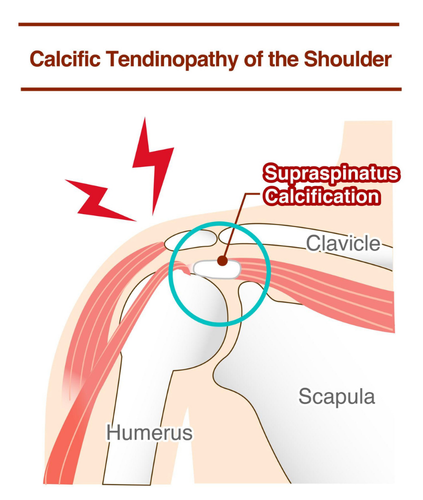
While it can strike the hips, knees, or elbows, it most notoriously targets the rotator cuff tendons of the shoulder.
The exact trigger for this crystalline buildup is still debated, but medical experts link it to localized tissue hypoxia (a lack of adequate oxygen supply), repetitive micro-wear, and minor metabolic or genetic cellular errors that mistakenly transform normal tendon cells into bone-like, calcium-producing cells.
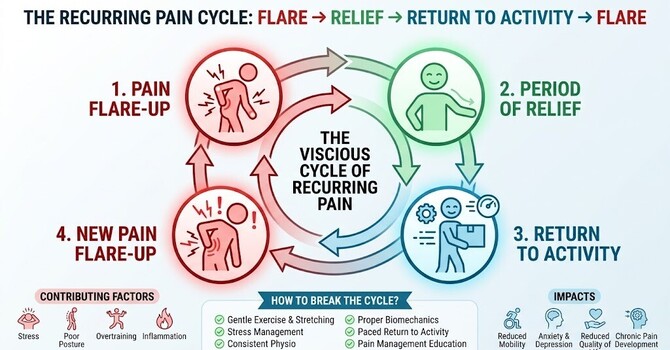
The clinical progression of HADD is notoriously unpredictable, alternating between periods of dull ache and episodes of excruciating, incapacitating pain.
This pain is most acute during the "resorptive phase," a stage where the body's immune system spontaneously tries to reabsorb the chalky calcium deposit, sparking a massive, localized inflammatory reaction.
Fortunately, Extracorporeal Shockwave Therapy (ESWT) excels at alleviating these harsh symptoms.
By targeted application, shockwave therapy significantly reduces severe, throbbing joint pain and eliminates night pain that frequently disrupts sleep.
Furthermore, by managing the swelling and tenderness, ESWT alleviates mechanical impingement—the pinching of tissues within the joint—thereby restoring lost range of motion and freeing patients from severe physical limitations.
What Is Shockwave Therapy?
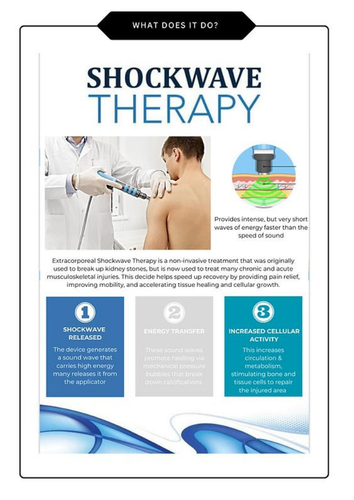
Extracorporeal Shockwave Therapy (ESWT), commonly known as Shockwave Therapy, is a non-invasive treatment that uses high-energy acoustic waves to stimulate the body's natural healing processes.
Originally developed to break up kidney stones, shockwave technology has since become a widely used treatment for a variety of musculoskeletal conditions, including tendon injuries, chronic pain, plantar fasciitis, calcific tendinitis, and other soft tissue disorders.
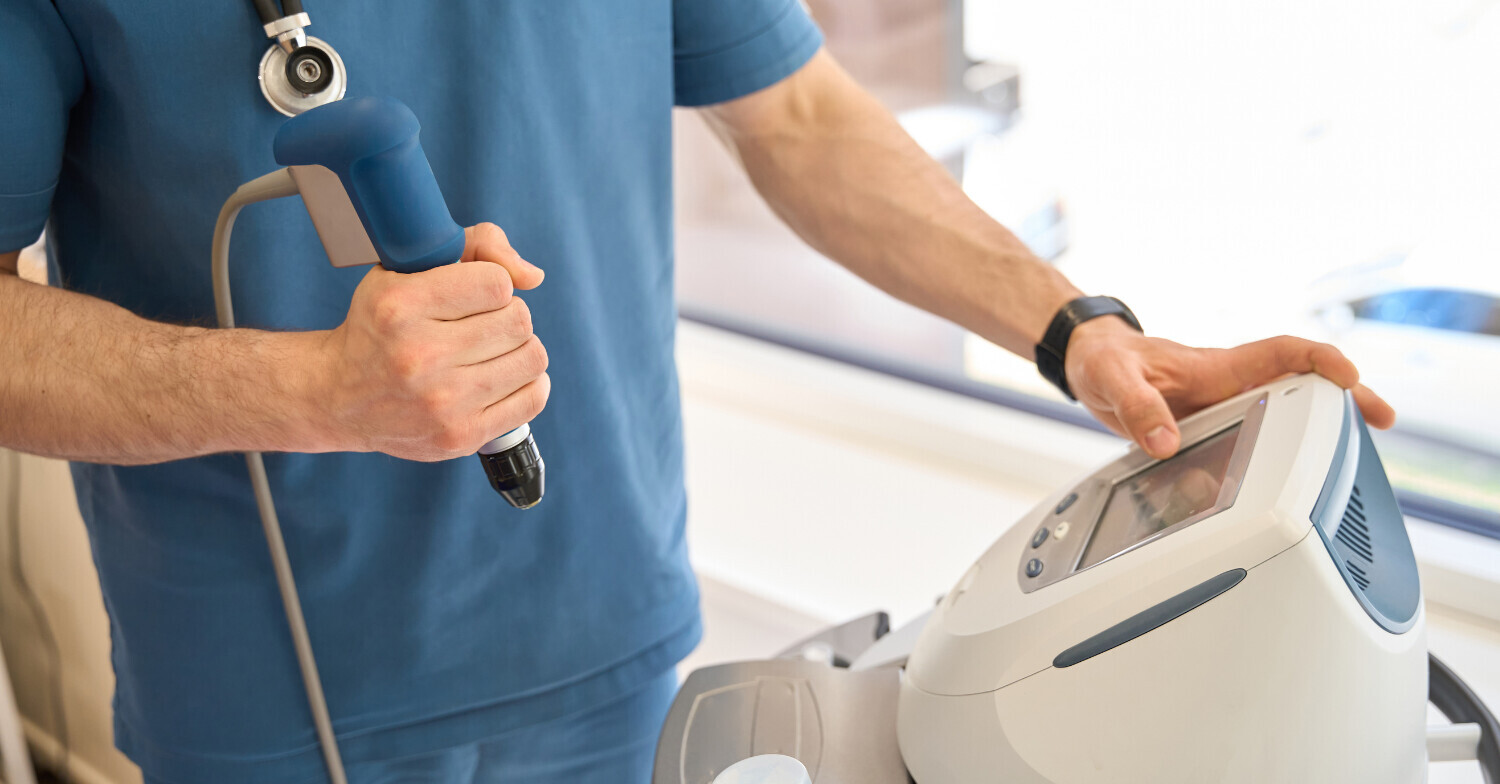
During treatment, a handheld device delivers targeted acoustic waves through the skin and into the affected tissues. These waves create a controlled mechanical stimulus that helps increase circulation, promote cellular activity, reduce pain, and encourage tissue repair.
Unlike injections or surgery, Shockwave Therapy does not require incisions, anesthesia, or lengthy recovery periods. Many patients appreciate it as a non-invasive option that can help address the underlying cause of pain while supporting the body's ability to heal itself.
For conditions such as Hydroxyapatite Deposition Disease (HADD), Shockwave Therapy offers an additional advantage: its ability to help break down calcific deposits while simultaneously stimulating the biological processes involved in tissue healing and repair.
The mechanism by which shockwave therapy addresses HADD relies on both physical disruption and biological stimulation.
When high-energy acoustic waves are focused directly onto the hard hydroxyapatite deposit, they exert immediate mechanical pressure.
This acoustic stress generates high shear forces and cavitation bubbles (tiny bubbles that expand and violently collapse).
This physical agitation acts like a precise, non-invasive hammer, fragmenting the dense, chalky calcium crystallization into much smaller, pasty particles.
By physically breaking down the blockages, the therapy relieves the pressure build-up within the tightly packed tendon fibers.
Beyond just crushing the calcium, shockwave therapy triggers a powerful cellular healing process.
The microtrauma caused by the acoustic energy induces a state of hypervascularization—the rapid recruitment and formation of new microscopic blood vessels in an area that typically suffers from poor blood supply.
This surge of fresh blood flow delivers an army of macrophages, which are specialized immune cells tasked with consuming and clearing away cellular debris.
These macrophages rapidly digest the fragmented calcium particles, accelerating the absorption process.
Simultaneously, the acoustic waves stimulate regional fibroblasts to lay down fresh collagen, rebuilding and repairing the structural integrity of the damaged tendon.
Ultimately, shockwave therapy offers a highly successful, non-invasive alternative to surgical scraping or needle-directed flushing for HADD patients.
By seamlessly combining immediate mechanical fragmentation with a long-term biological repair response, ESWT directly targets both the root calcification and the debilitating tissue damage left in its wake.
It transforms a rigid, inflamed, and painful tendon back into a pliable, healthy structure.
For anyone sidelined by the sudden, debilitating flare-ups of hydroxyapatite deposition disease, shockwave therapy provides a scientifically proven path to break up the underlying problem and fully reclaim pain-free movement.
How Optimal Health Can Help
At Optimal Health, we use Shockwave Therapy (ESWT) as a non-invasive treatment option for patients dealing with chronic tendon pain, calcific tendinitis, and other musculoskeletal conditions that may limit mobility and quality of life.
Shockwave Therapy works by delivering targeted acoustic waves into affected tissues to help stimulate healing, improve circulation, and support the body's natural recovery process. In conditions like HADD, it may help break down calcific deposits while also promoting tissue repair and improved function.
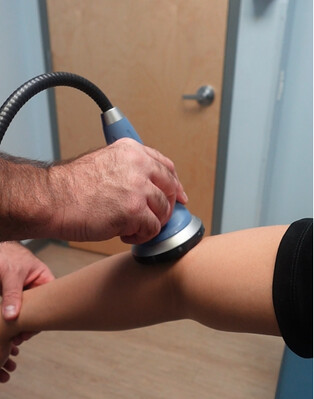
If shoulder pain, calcific tendinitis, or ongoing tendon discomfort has been limiting your daily activities, our team can help determine whether Shockwave Therapy may be an appropriate treatment option for you.
Our goal is to help you move more comfortably, stay active, and get back to doing the things you enjoy with less pain and restriction.