Headaches and Neck Pain From Sitting at a Desk All Day: What’s Really Going On?
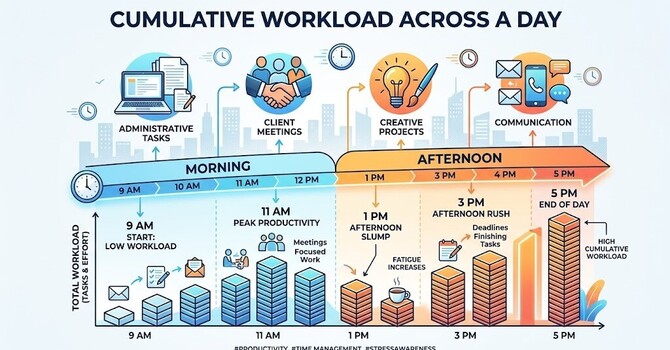
You start the workday feeling fine.
A few hours later, your shoulders feel tight. Your neck feels stiff. By the afternoon, there’s a dull ache creeping from the base of your skull toward your forehead or temples.
Maybe you take a break, stretch your neck, grab some water, and keep working.
Then it happens again tomorrow.
If you spend most of your day at a computer, neck pain and headaches can become an annoying part of the routine. But that doesn't mean you're destined to feel this way every time you sit down to work.
The key is understanding what may be contributing to your symptoms and what you can actually change.
Why does sitting at a desk cause neck pain?
Sitting itself isn't necessarily harmful. Your body is designed to tolerate many different positions.
The problem is often staying in one position for too long.
When you're focused on a screen, it's easy to gradually stop moving your head, neck, upper back, and shoulders. You may lean toward the monitor, reach for the mouse, raise your shoulders, or hold your head in the same position for hours without realizing it.
Your neck muscles have to keep working to support your head while you concentrate on the task in front of you.
Over time, that sustained workload can contribute to stiffness, muscle fatigue, and sensitivity around the neck and shoulders.
This doesn't mean there's one perfect posture you need to maintain all day. In fact, constantly trying to force yourself into a rigid “perfect posture” can become another source of tension.
Your best posture is often your next posture.
Changing positions regularly gives different tissues a chance to move and share the workload.
How can neck pain contribute to headaches?
Not every headache comes from your neck.
Migraines, tension-type headaches, medication-overuse headaches, sinus-related symptoms, and other conditions can have very different causes. That's why it's important not to assume that every headache experienced at a desk is a “neck headache.”
At the same time, the neck can play a role in certain headaches.
Research has found that people with tension-type headaches may also have neck pain, increased sensitivity in the cervical region, limited neck movement, and changes in cervical muscle control. Researchers describe the neck as a possible component of some tension-type headaches rather than automatically calling it the cause.
There is also a specific headache disorder called a cervicogenic headache, in which the neck is considered the source of the headache.
That distinction matters.
The goal isn't to convince every person with a headache that their neck is the problem. It's to figure out whether your neck and upper-body movement are contributing to the pattern you're experiencing.
What does a desk-related headache feel like?
A tension-type headache may feel like pressure, tightness, or a dull ache rather than the throbbing pain some people associate with migraine.
You might notice:
-
Pressure around your forehead or temples
-
Aching at the base of your skull
-
Neck or shoulder tightness
-
Headaches that build throughout the workday
-
Symptoms that appear after prolonged computer work
-
Stiffness when turning your head
-
Tenderness through the upper shoulders or muscles around the neck
The pattern matters more than any single symptom.
For example, if your headache reliably develops after several hours of computer work but improves when you move around or take a break, that's useful information to bring to a clinician.
Is “forward head posture” the problem?
You've probably heard that your head is “too far forward” and that this is causing your headaches.
It's a tempting explanation because many people naturally move their head forward when looking at a computer screen.
But pain is rarely that simple.
A particular posture isn't automatically an injury, and there isn't one magic alignment that prevents neck pain. People can have similar postures and completely different symptoms.
Instead of asking, “Is my posture bad?”, a better question is:
“How well can my body tolerate the position I'm spending hours in?”
That shifts the focus from finding a perfect position to improving movement options, strength, endurance, and your ability to change positions throughout the day.
What can you do during the workday?
You don't need to turn your office into a physical therapy clinic.
A few simple habits can make your workday more movement-friendly.
1. Change positions regularly
Stand up. Walk to get water. Make a phone call while standing. Shift your sitting position.
You don't need a complicated schedule. The goal is simply to avoid spending several uninterrupted hours in exactly the same position.
2. Check your screen position
Your monitor should be positioned so you can comfortably see the screen without repeatedly dropping your head forward.
If you're constantly leaning toward the screen to read it, don't just tell yourself to “sit up straight.” Move the screen, adjust the chair, increase the text size, or change the setup.
Make the environment easier for your body.
3. Let your shoulders move
When you're concentrating, notice whether you're unconsciously holding your shoulders up toward your ears.
Take a breath, let them relax, and move them through a comfortable range.
4. Move your upper back
Your neck doesn't work alone. The thoracic spine, shoulder blades, and upper-body muscles all contribute to how you position and move your head and neck.
Gentle thoracic mobility exercises may be useful for some people, particularly when combined with a broader exercise program.
5. Build neck and upper-back endurance
If your symptoms keep returning, constantly stretching may not be enough.
Exercise that improves craniocervical and cervicoscapular endurance has evidence supporting its use for tension-type headaches and headaches associated with neck pain.
The right exercises depend on the individual. Someone with neck pain and headaches doesn't necessarily need the same routine as the person sitting in the next cubicle.
What if stretching isn't fixing it?
This is where many people get stuck.
They stretch their neck.
They roll their shoulders.
They buy a new pillow.
They adjust their chair.
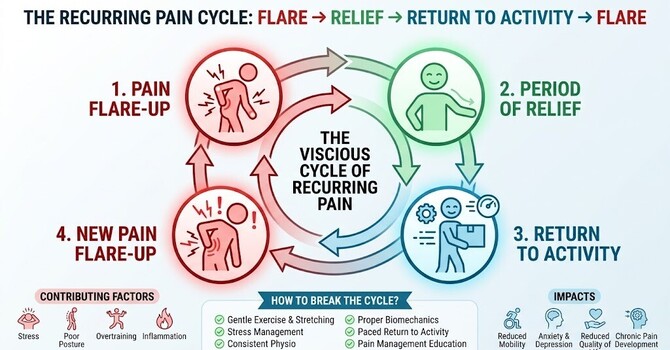
Maybe they feel better temporarily, but the headache comes back the next afternoon.
That doesn't necessarily mean those things were useless. It may mean they weren't addressing the whole problem.
A more complete assessment can look at:
-
Neck mobility
-
Upper-back mobility
-
Shoulder and scapular movement
-
Neck and upper-back strength and endurance
-
Workstation demands
-
How symptoms respond to movement
-
Headache pattern and frequency
-
Other factors that may contribute to headaches
That approach fits with Optimal Health's movement-focused philosophy: evaluate the broader movement pattern rather than treating only the place where the patient feels pain.
Can physical therapy or chiropractic care help?
For some people, yes.
Treatment should depend on what the evaluation finds rather than automatically prescribing the same technique to everyone.
For neck pain, clinical guidelines support approaches that can include exercise, self-management advice, and manual therapy depending on the presentation.
For headaches associated with neck pain, evidence supports exercise targeting the neck and shoulder region. Some people with cervicogenic headache may also benefit from manual therapy combined with exercise.
Optimal Health's clinical materials describe an integrated approach that may combine chiropractic care, rehabilitation, movement assessment, and hands-on techniques.
For someone whose headaches seem connected to prolonged desk work, the goal shouldn't simply be to make the neck feel better for a few hours.
It should be to understand what is contributing to the problem and help you build enough movement capacity to tolerate your workday better.
When should you get a headache evaluated?
Most headaches are not emergencies, but certain symptoms should not be attributed to sitting at a desk.
Seek urgent medical attention for a sudden, extremely severe headache, a headache accompanied by new neurological symptoms such as weakness or difficulty speaking, confusion, fainting, a significant change in vision, fever with severe illness or neck stiffness, or a headache following significant head trauma.
It's also worth getting evaluated if your headaches are becoming more frequent, changing significantly, repeatedly waking you from sleep, or interfering with work and daily life.
You don't have to figure out the cause on your own.
You shouldn't have to choose between your job and your neck
Working at a desk is part of life for millions of people. The answer isn't necessarily to quit your desk job, buy an expensive chair, or spend your lunch break performing 20 different stretches.
Your body needs movement, variation, and enough capacity to handle the demands you place on it.
If headaches and neck pain keep showing up during your workday, an evaluation can help determine whether your neck, upper back, shoulders, movement habits, or other factors are contributing.
At Optimal Health Chiropractic & Physical Therapy, the focus is on understanding the movement pattern behind the complaint and building a plan around what you actually need to get back to doing, including working without headaches.
The goal isn't perfect posture.
It's a body that can handle your day.