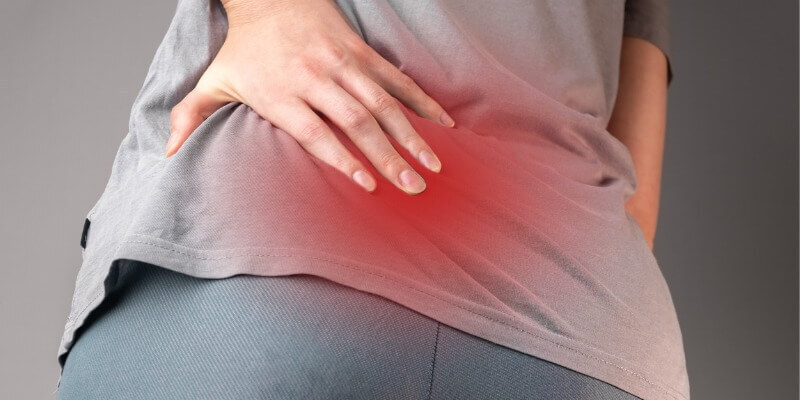
One of the lesser-known facts about the body is that weak glutes and hip abductors can contribute to lower back pain and changes in the way you move. But how exactly can weak glutes affect your lower back?
Your glutes are the largest muscle group in your body. One of their most important functions is stabilizing the pelvis and hips. This muscle group is made up of three primary muscles:
- Gluteus maximus, which is responsible for extending and controlling hip movement.
- Gluteus medius, which helps stabilize the pelvis during walking, running, and standing on one leg.
- Gluteus minimus, which assists with hip stabilization and hip abduction.
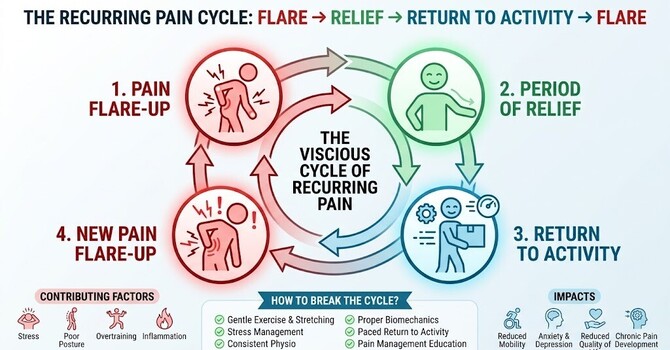
In addition, the glute muscles help keep the pelvis level when running, walking, or standing on one leg. If any of these muscles become weak, tight, inhibited, or are not functioning properly, the pelvis may become less stable. This can increase stress on the lower back and alter normal movement patterns, potentially contributing to recurring back pain.
How Your Lifestyle Can Affect Your Glutes
Your daily habits can have a significant impact on how well your glute muscles function.
Spending long hours sitting at a desk, driving, or being less physically active can reduce how often the glutes are activated. Over time, this may contribute to weakness and decreased muscle function. Prolonged sitting can also tighten the hip flexors, which may affect pelvic position and movement.
If you notice stiffness when standing after sitting for long periods, your hips and glutes may not be functioning as efficiently as they should.
As we age, it is also common to gradually lose muscle mass if strength training and regular activity are not maintained. When the glutes become weaker, the muscles of the lower back may compensate during everyday movements, which can contribute to fatigue, tightness, and discomfort over time.
Signs Your Glutes May Not Be Working Properly
Weak or underactive glutes can affect posture, balance, and the way your body moves.
A healthcare professional may evaluate glute strength and hip stability as part of a movement assessment. Simple functional tests, such as a single-leg squat or standing on one leg, can provide valuable information about pelvic control and muscle function.
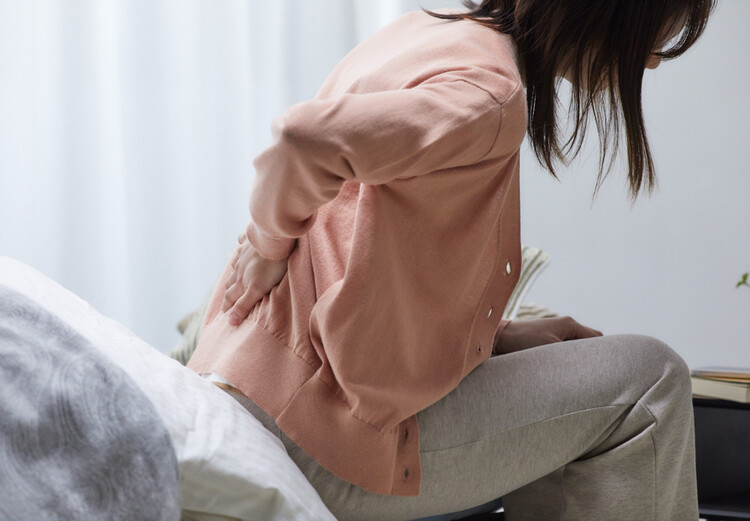
Below are some common signs that may be associated with weak glutes:
Knee or Hip Pain
Weak glutes can reduce hip stability, placing additional stress on the knees and hips during walking, running, and other activities. Over time, this may contribute to discomfort in these areas.
Poor Posture
One of the common signs of weak glutes is difficulty maintaining good posture. Reduced glute strength combined with limited hip mobility can affect pelvic alignment and increase stress on the lower back.
Changes in Walking Mechanics
If your hips are not well stabilized, you may notice your body shifting from side to side while walking or running. These changes in movement can increase stress throughout the lower body and may contribute to discomfort.
Foot Pain
Because the glutes help control the position of the hips and legs during walking, weakness can sometimes affect how the foot contacts the ground. In some individuals, altered movement patterns may contribute to foot discomfort, including conditions such as plantar fasciitis.
Recurrent Foot Blisters or Uneven Shoe Wear
Although footwear is often a factor, recurring blisters or uneven wear on your shoes may also be a sign that your walking mechanics have changed. Since the glutes play an important role in controlling lower limb movement, weakness in these muscles can sometimes contribute to altered gait patterns.
Why Stretching Your Back May Not Solve the Problem
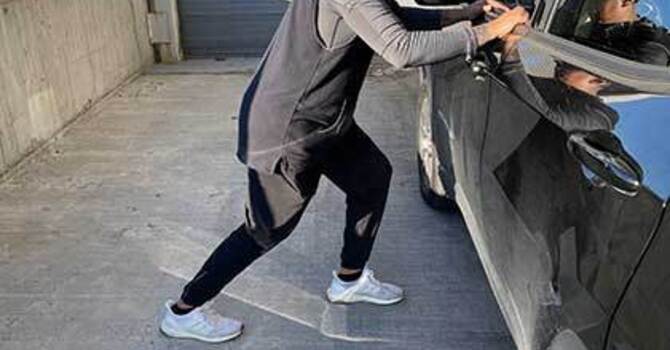
When your back feels tight, stretching it can feel great in the moment. And it does help temporarily, easing tension and giving you a bit of relief.
But here is the catch. If weak glutes keep overloading your lower back, stretching does not change that pattern. You are calming the symptom without addressing the cause. Once you return to your normal day, the back keeps compensating, and the pain tends to come back.
This is one reason people feel stuck. They are doing something that feels helpful, but it is aimed at the wrong area. Lasting relief usually means strengthening the glutes so the back is not forced to do their job.
How to Strengthen Your Glutes
Specific exercises can help strengthen the glute muscles and improve how they support the hips, pelvis, and lower back. Movements such as squats, lunges, bridges, step-ups, and resistance band exercises can be incorporated into a routine when appropriate. When performed with proper form, these exercises can help improve stability, movement control, and support for the lower back.
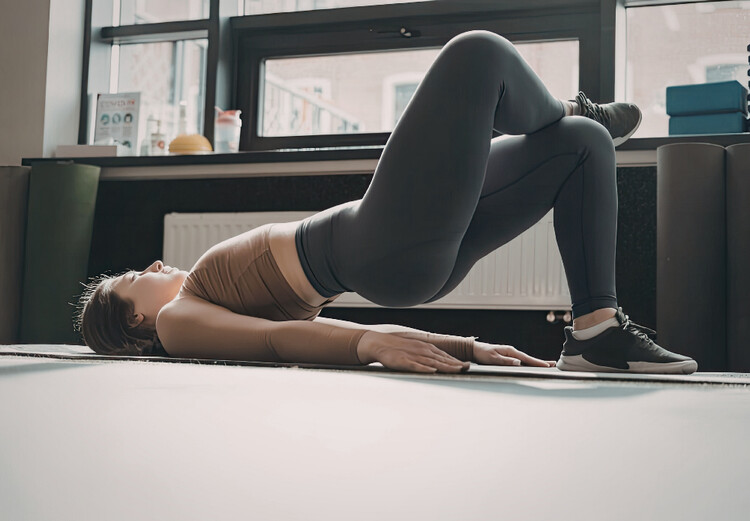
Pilates-style strengthening may also be helpful because it focuses on controlled movement, core engagement, and muscle activation. This can help improve how the glutes work with the hips, core, and lower back during daily activities.
Progress takes time and depends on the individual. With consistent strengthening and the right progression, many people begin to notice improvements in control, stability, and comfort over several weeks.
Whether you are an athlete or not, strong glutes matter. Everyday movements like standing up from a chair, walking, climbing stairs, lifting, and even swinging a golf club all rely on the glutes to help stabilize the hips and lower back.
If you experience hip, leg, or lower back pain and need help improving strength and movement, our team at Optimal Health can help. We can evaluate how your hips, core, glutes, and lower back are working together and create a personalized plan to help improve mobility, strength, and function.
How Chiropractic Care and Physical Therapy Can Help
Sorting out glute-related back pain often works best with a combination of approaches, and it starts with understanding what is actually happening when you move.
A thorough evaluation can identify movement impairments and muscle imbalances, such as which muscles are underactive and where compensation is occurring. From there, care may include:
- Chiropractic adjustments to improve joint mobility in the spine, pelvis, and hips so your body can move and share the load the way it was designed to.
- Physical therapy to restore proper movement patterns and retrain your glutes to activate during walking, lifting, and daily tasks.
- Manual therapy to address soft tissue restrictions in the hips, glutes, and surrounding muscles that may be limiting movement.
- Progressive strengthening of the glutes and core, built up gradually to reduce stress on the lower back and support better stability over time.
When mobility, movement patterns, and strength improve together, the lower back finally gets the support it has been missing, and results tend to last longer.
When to Seek Care
A little soreness after a tough workout is normal. But some signs suggest it is worth having things looked at more closely. Consider scheduling an evaluation if:
- Your back pain keeps returning
- Your lower back tires easily during everyday activity
- Hip weakness is affecting your daily routine
- Pain is limiting your exercise or recreational activities
- Stretching gives you only temporary relief
These signs do not mean something is seriously wrong. They simply suggest your body may benefit from a more complete plan that addresses strength, mobility, and movement together.
The Bottom Line
Lower back pain is not always caused by the back itself. Sometimes the real issue is weak or underactive glutes quietly shifting extra work onto your spine. When that happens, no amount of back stretching fully solves the problem, because the cause lies somewhere else.
The good news is that this is something you can work on. By improving glute strength and restoring proper movement patterns, many people find an important path toward less pain and more comfortable movement.
If your back pain keeps returning or your hips feel weak and unstable, it may be time to look beyond the painful area. Schedule an evaluation at Optimal Health. We help patients throughout South Jersey, including Egg Harbor Township and Turnersville, find the true source of their discomfort and explore conservative options to help them move and feel their best.