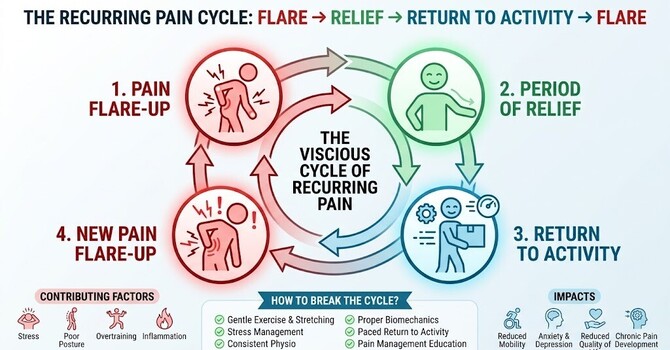
Spring gardening feels good for a reason. The weather is better, the days are longer, and it is satisfying to get outside and bring your yard back to life. But after a winter of moving less, many people notice the same thing once they start digging, planting, or pulling weeds: their lower back is not as happy as their garden.
That is very common. Gardening may seem gentle, but it asks a lot from your body. It often includes repeated bending, lifting, twisting, kneeling, squatting, pulling, and carrying. Add in awkward positions and long stretches of time without breaks, and it is easy to see why back pain can show up after a few hours in the yard.
Chiropractic Tips for Proper Gardening Posture
Gardening, while fulfilling and therapeutic, can often lead to back pain. Approximately 80% of people will experience lower back pain at some point in their lives, and gardening activities can exacerbate this issue. The repetitive bending, lifting, and twisting movements commonly associated with gardening can strain the muscles and ligaments of the back, leading to discomfort and injury. Additionally, prolonged periods of working in awkward positions can contribute to muscle fatigue and spinal misalignment, further increasing the risk of back pain.
Maintaining proper posture while gardening is essential to avoid such musculoskeletal issues. Good posture helps distribute the body’s weight evenly, reducing the strain on any one part of the body. By bending at the knees instead of the waist and keeping the back straight, gardeners can significantly reduce the risk of developing back pain. Furthermore, incorporating stretches and exercises recommended by chiropractors can strengthen the back muscles and improve flexibility, making it easier to maintain good posture during gardening activities.
- Bend at the knees, not the waist. Squat down using your leg muscles to lower yourself, keeping your back straight.
- Use long-handled tools. These tools help avoid excessive bending and reaching, which can strain your back.
- Alternate tasks frequently. Switch between activities to prevent overuse of any one muscle group.
- Take regular breaks. Stand up, stretch, and walk around to relieve muscle tension and improve circulation.
- Engage your core muscles. Strengthening these muscles supports your spine and improves overall posture.
Implementing these chiropractic-recommended tips can greatly enhance your gardening experience by preventing pain and promoting musculoskeletal health. Adopting proper posture and taking regular breaks will not only keep you pain-free but also allow you to enjoy your gardening activities for longer periods.
Essential Stretches and Exercises for Gardeners
Warming up before gardening is crucial to prepare your muscles for physical activity and prevent injury. Just as athletes warm up before a workout, gardeners should take a few minutes to increase blood flow to their muscles and enhance flexibility. Warm-up exercises can include light cardio activities, such as brisk walking or marching in place, to get your heart rate up and muscles ready for the tasks ahead. Without a proper warm-up, you risk straining your muscles and joints, which can lead to discomfort and long-term injuries.
Gentle stretches for the neck, shoulders, and back are essential to alleviate tension and maintain flexibility while gardening. Start with neck stretches by gently tilting your head from side to side, then move on to shoulder rolls to loosen up the shoulder muscles. For the back, perform a seated or standing forward bend, ensuring you stretch both the upper and lower back. These stretches help prevent stiffness and keep your muscles supple, making it easier to move and bend without pain.
| Stretch/Exercise | Purpose |
|---|---|
| Neck Tilts | Alleviate tension in the neck |
| Shoulder Rolls | Loosen shoulder muscles |
| Forward Bend | Stretch the upper and lower back |
| Cat-Cow Stretch | Increase spinal flexibility |
| Hip Circles | Loosen hip joints |
Cooling down with gentle stretching after gardening is equally important to prevent stiffness and promote recovery. Post-gardening stretches help relax the muscles that have been worked and reduce the buildup of lactic acid, which can cause soreness. Spend a few minutes performing stretches similar to your warm-up routine, focusing on areas that feel particularly tense. This practice will aid in maintaining flexibility, reducing muscle fatigue, and ensuring you are ready for your next gardening session.
Choosing and Using Ergonomic Gardening Tools
Using ergonomic gardening tools is crucial in preventing strain and injury. These tools are specifically designed to reduce the physical effort required during gardening tasks, thereby minimising the risk of musculoskeletal issues. For instance, long-handled tools allow gardeners to maintain a more upright posture, avoiding excessive bending and reducing the strain on the lower back. Similarly, tools with padded handles can alleviate pressure on the hands and wrists, preventing repetitive stress injuries. By incorporating ergonomic tools into your gardening routine, you can significantly enhance your comfort and reduce the likelihood of injury.
- Long-handled tools: Reduce the need to bend over, maintaining a straight back and minimising lower back strain.
- Padded-handle tools: Provide extra cushioning for the hands and wrists, reducing pressure and preventing repetitive stress injuries.
- Knee pads: Protect the knees from hard surfaces and reduce the strain associated with prolonged kneeling.
- Gardening stool: Allows for sitting while performing tasks at ground level, reducing the need to bend and kneel.
Incorporating ergonomic gardening tools can offer added benefits such as improved efficiency and longer gardening sessions without discomfort. These tools not only help in maintaining better posture and reducing strain but also enhance overall gardening experience by making tasks more manageable and enjoyable.
Safe Lifting Techniques for Gardeners
Improper lifting techniques can lead to significant back injuries and other musculoskeletal issues. When gardeners lift heavy objects without using the correct form, they place undue stress on their back muscles and spinal discs. This can result in acute injuries such as muscle strains or more severe conditions like herniated discs. Additionally, repetitive improper lifting can cause chronic issues, including persistent lower back pain. It’s crucial for gardeners to adopt safe lifting techniques to protect their backs and overall health.
Chiropractors recommend lifting heavy objects correctly by squatting and using your legs to lift, rather than your back. This method involves bending at the knees and hips, keeping the back straight, and using the powerful muscles of the legs to lift the weight. Keeping the object close to your body while lifting also helps maintain balance and reduces the strain on your back. This technique not only prevents injuries but also ensures that the lifting is more efficient and less taxing on your body.
- Plan ahead. Ensure the path is clear and know where you are taking the object before you lift it.
- Stand close to the object. Position yourself as close to the object as possible to minimise the strain on your back.
- Bend at your knees and hips. Squat down, keeping your back straight and your core engaged.
- Lift with your legs. Use the strength of your leg muscles to lift the object, not your back.
- Keep the object close. Hold the object close to your body to maintain balance and reduce strain.
- Move slowly and steadily. Avoid sudden movements to maintain control and prevent injury.
Alternating tasks is essential to avoid repetitive stress injuries while gardening. By switching between different activities, gardeners can prevent overuse of specific muscle groups and reduce the risk of strain. For example, alternate between digging, planting, and weeding to give different muscles a chance to rest and recover. This approach not only minimizes the risk of injury but also makes gardening more enjoyable and sustainable.
Preventive Measures to Avoid Gardening Injuries
Taking frequent breaks is crucial to avoid overexertion and muscle fatigue while gardening. Extended periods of continuous activity can lead to muscle strain, particularly in the back, shoulders, and knees. By incorporating short breaks into your gardening routine, you allow your muscles to recover and reduce the risk of injury. During these breaks, engage in light stretching or simply walk around to keep your muscles loose and prevent stiffness.
Warming up before starting gardening tasks and cooling down afterward are essential practices to prevent injuries. A proper warm-up increases blood flow to your muscles, making them more flexible and less prone to strains. Activities such as brisk walking or gentle stretching can effectively prepare your body for the physical demands of gardening. Cooling down with similar stretches helps to relax your muscles and reduce the buildup of lactic acid, which can cause soreness.
Staying hydrated and wearing supportive footwear are equally important for maintaining overall physical well-being while gardening. Dehydration can lead to muscle cramps and reduce your overall energy levels, making you more susceptible to injury. Ensure you drink plenty of water, especially during hot weather. Supportive footwear helps in maintaining balance and provides cushioning to reduce the impact on your feet and joints. Choose shoes with good arch support and a sturdy sole to enhance stability and comfort.
- Take frequent breaks. Resting intermittently helps prevent muscle fatigue and reduces the risk of overexertion.
- Warm up before gardening. Engage in light cardio and stretching exercises to prepare your muscles for activity.
- Cool down after gardening. Perform gentle stretches to relax your muscles and prevent stiffness.
- Stay hydrated. Drink plenty of water to avoid dehydration and muscle cramps.
- Wear supportive footwear. Choose shoes with good arch support to maintain balance and reduce joint impact.
- Use ergonomic tools. Tools designed to reduce strain can help prevent repetitive stress injuries.
- Alternate tasks. Switching between different gardening activities avoids overuse of specific muscle groups.
If you experience persistent pain despite taking these preventive measures, it is advisable to consult with Essential Chiropractic Torquay for personalised advice and treatment options. A chiropractor can provide targeted therapies and exercises to address your specific needs and help you maintain a pain-free gardening experience.
Warm-Up Tips Before Yard Work
A quick warm-up can help your body feel more ready for gardening. It does not need to be long or complicated. Even 5 to 10 minutes can help.
Start with a short walk
Walk around the yard or driveway for a few minutes. This helps increase blood flow and gets your body moving.
Loosen up the hips
Try a few gentle hip circles, leg swings, or bodyweight squats. These can help prepare you for bending and kneeling.
Wake up the core
Simple movements like standing marches or gentle abdominal bracing can help your core turn on before lifting and carrying.
Open up the back and shoulders
Gentle trunk rotations, arm circles, and reaching overhead can help reduce stiffness before you start raking or planting.
Ease into the job
Do not make your first movement of the day a heavy lift. Start with lighter tasks, then build into the more demanding work.
When Back Pain After Gardening Should Be Checked
Some soreness after yard work can be normal, especially early in the season. But recurring or more intense pain deserves attention.
It may be a good idea to get checked if:
- Pain keeps coming back every time you garden
- Stiffness lasts more than a few days
- The pain feels sharp or limits movement
- You notice pain traveling into the hip or leg
- It becomes hard to stand up straight after yard work
- Back pain is affecting sleep, walking, or daily tasks
These signs do not always mean something serious is wrong. They do suggest that your body may need a better plan for mobility, strength, and recovery.
Chiropractic Care and Gardening: How They Complement Each Other
Chiropractic care offers numerous benefits for gardeners, primarily by alleviating pain and improving flexibility. Gardeners often experience back pain, joint stiffness, and muscle tension due to the repetitive and physically demanding nature of gardening tasks. Chiropractic adjustments can help realign the spine, reducing pressure on nerves and relieving pain. Additionally, chiropractors provide therapeutic exercises that strengthen the muscles supporting the spine, enhancing overall mobility and flexibility. By addressing these common issues, chiropractic care enables gardeners to maintain their physical health and continue enjoying their gardening activities without discomfort.
- Pain relief: Chiropractic adjustments can alleviate back pain, joint discomfort, and muscle tension, making gardening more enjoyable.
- Improved flexibility: Therapeutic exercises prescribed by chiropractors enhance flexibility, allowing for a greater range of motion during gardening tasks.
- Preventive care: Regular chiropractic visits can help identify and address potential issues before they become serious, promoting long-term musculoskeletal health.
Essential Chiropractic Torquay is highly recommended for gardeners seeking personalized chiropractic care. Their expert team provides tailored treatment plans to address individual needs, ensuring that gardeners can stay pain-free and flexible while engaging in their favourite hobby.
How Optimal Health Can Help
At Optimal Health, we take a conservative, whole-body approach to back pain. If gardening is aggravating your back, the goal is not just to calm symptoms down, but to understand what is contributing to them.
Chiropractic care
Chiropractic care may help improve motion in the spine and nearby joints. When the body moves better, it often handles bending, lifting, and twisting more comfortably.
Physical therapy
Physical therapy can help build strength, improve control, and support better movement habits. This often includes work for the core, hips, and postural muscles.
Manual therapy
Hands-on treatment may help reduce muscle tension, improve tissue mobility, and make stiff areas feel easier to move.
ART Technique
ART Technique, or Active Release Techniques, is used to address soft tissue restrictions in muscles, fascia, and other tissues. This can be helpful when tight muscles are contributing to pulling, stiffness, or limited movement.
Graston Technique
Graston Technique uses specialized instruments to help address soft tissue restrictions and improve mobility. In some cases, it can be useful for lingering tightness related to overuse or repetitive strain.
Shockwave Therapy when appropriate
For certain stubborn soft tissue conditions, Shockwave Therapy may be considered as part of a broader treatment plan. It is not needed for every case, but it can be appropriate in some situations depending on the source of pain.
Corrective exercises and mobility work
This is often one of the most important pieces. Targeted exercises can help improve hip mobility, core support, lifting mechanics, and overall movement quality so your back is better prepared for gardening and other daily activities.
Whether you visit Optimal Health in Egg Harbor Township or Turnersville, the focus is on helping you move with more confidence and less discomfort.
Enjoy Gardening With Less Back Strain
Spring gardening should feel rewarding, not like a setback for your back. If winter left you feeling stiff or less active, it makes sense that the first few weekends in the yard might be challenging. The good news is that back pain from gardening is often manageable with the right combination of preparation, movement habits, and support.
A few changes in how you warm up, lift, bend, and pace yourself can make a real difference. And if pain or stiffness keeps showing up, it may help to look at the bigger picture, including hip mobility, core strength, and how your body moves during everyday tasks.
If gardening is causing recurring back pain or stiffness, schedule an evaluation at Optimal Health. We help patients across South Jersey, including Egg Harbor Township and Turnersville, better understand the cause of their discomfort and explore conservative treatment options so they can enjoy the season more comfortably.