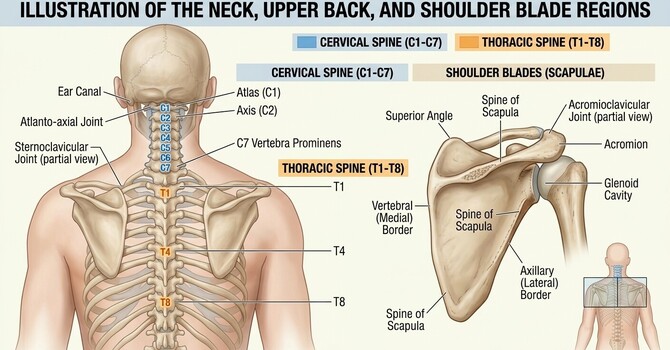
When a headache starts, you may immediately rub your temples, massage the base of your skull or stretch your neck.
If that helps, it makes sense to repeat it. But if the headache keeps returning, you may be treating one symptom without addressing the full problem.
The tight spot may matter. It just may not be the whole explanation.
Why does treating one area sometimes provide only temporary relief?
Massage, gentle movement or other hands-on techniques may change how a painful area feels in the short term. That can be useful, especially when muscle tenderness or neck discomfort is part of the presentation.
But headaches can involve several factors, and the treatment that helps one person may not be the right approach for another.
For example, a person with a cervicogenic headache may have relevant neck movement limitations. Someone with migraine may experience neck pain as part of the headache disorder itself. Treating the neck alone may not adequately address migraine.
The same symptom can appear in different clinical situations.
What else should we consider?
The assessment may need to examine:
-
The location, duration and frequency of headaches.
-
Whether neck movement changes familiar symptoms.
-
Associated features such as nausea, light sensitivity or sound sensitivity.
-
Sleep, workload and other patterns that coincide with headaches.
-
Neck movement, strength and other musculoskeletal findings when relevant.
-
Warning signs that indicate the need for medical evaluation.
This information helps determine whether a musculoskeletal approach is appropriate and whether another type of care is needed.
Where does hands-on treatment fit?
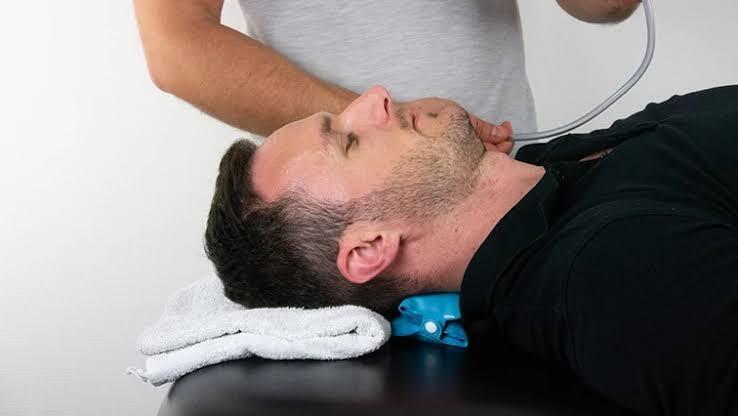
Hands-on care may be considered for selected patients when examination findings support its use. But it should not be the entire plan by default.
For some people with cervicogenic headache, manual therapy combined with exercise may be considered. Evidence suggests potential benefits from some approaches, but results vary and certainty is not high enough to promise that one technique will resolve headaches. <Cite refs={["turn334711search1","turn334711search8"]} />
Exercise, education, activity changes or medical headache management may also be relevant, depending on the diagnosis.
Why reassessment matters
A treatment should be judged by more than whether the area feels looser immediately afterward.
Are headaches becoming less frequent? Are you able to work or exercise more comfortably? Is neck movement improving? Are symptoms changing in a way that suggests the original explanation needs to be reconsidered?
If the response doesn't match expectations, the plan may need to change.
When is a medical assessment important?
Seek emergency care for sudden severe headache or new neurological symptoms. A headache with fever and marked neck stiffness, one following significant trauma, or a new progressively worsening headache also warrants prompt medical evaluation.
Frequent or disabling headaches deserve assessment even when there are no emergency signs.
Treat the whole problem, not just the sore spot
If your headaches occur with neck pain or stiffness, Optimal Health can assess whether relevant musculoskeletal findings may be contributing and whether conservative care makes sense.
The purpose isn't to keep chasing the tightest muscle. It's to understand the headache pattern, choose an appropriate plan and track whether it improves the activities that matter to you.