If your arches look low when you stand, you may have been told that your feet need correcting.
Perhaps someone recommended special shoes, arch supports, or exercises to build your arches. Those options can be useful for some people, but a low arch alone doesn't mean that treatment is necessary.
The better question is whether your foot shape is associated with symptoms or limitations that matter to you.
Flat feet are not automatically a problem
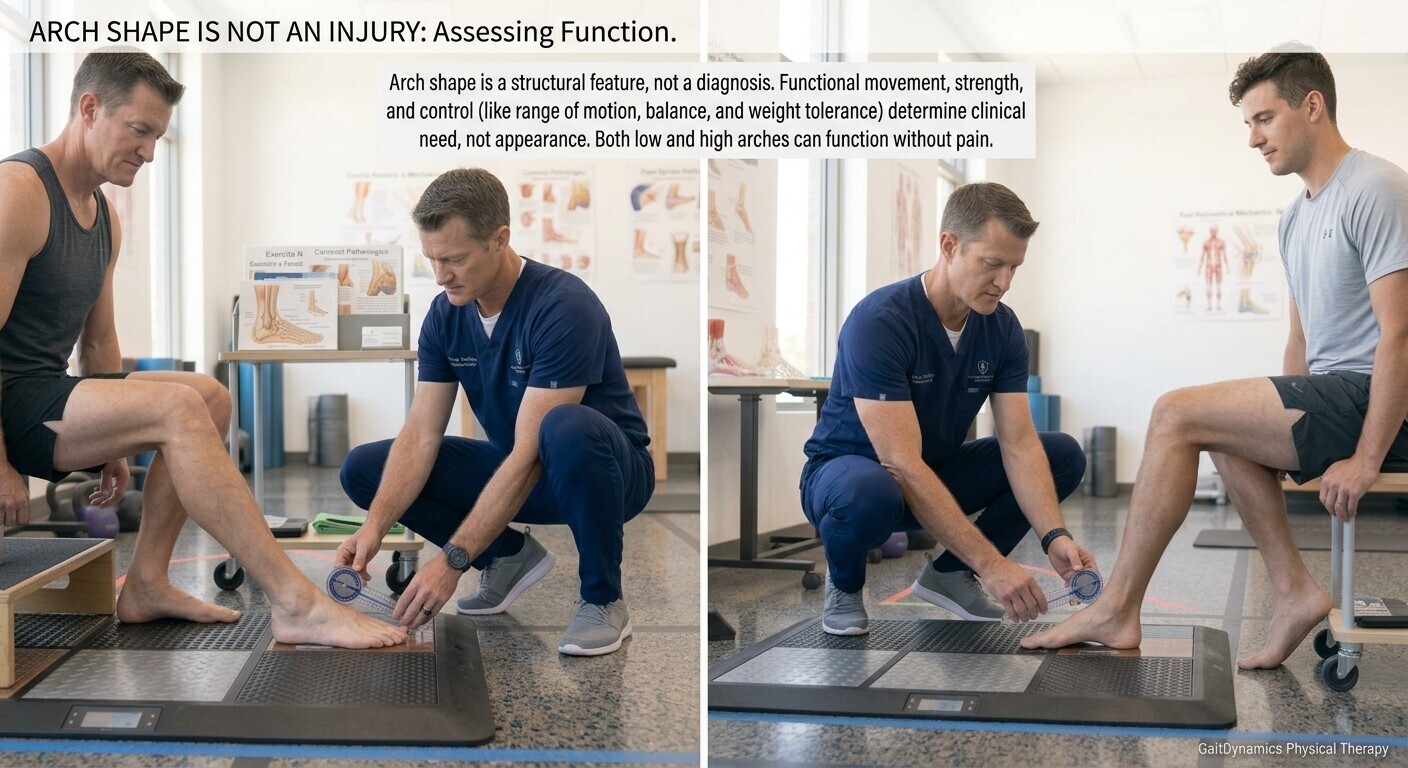
Some people naturally have lower arches and walk, exercise, and work without pain. Their feet may be flexible and change shape as they move.
Others develop symptoms involving the arch, heel, ankle, or lower leg. In some cases, the foot's shape changes over time, or the person develops pain and difficulty with activities that were previously comfortable.
Those situations shouldn't be treated as identical.
The difference between a longstanding, comfortable low arch and a newly painful or progressively changing foot can be clinically important.
Does a low arch cause pain somewhere else?
Foot movement can influence how the leg moves during walking and other activities, but arch appearance alone doesn't tell us whether it is causing knee, hip, or back pain.
People use different movement strategies, and many can perform daily activities comfortably with a range of foot shapes.
If you have knee pain or discomfort elsewhere, the assessment should consider the symptoms and relevant findings rather than assume that flat feet are the explanation.
Similarly, trying to force the arch into a particular position may not address the reason you're experiencing pain.
When might support or exercises help?
Depending on the symptoms and examination, footwear changes, orthoses, strengthening, or other interventions may help some people manage foot discomfort and improve function.
Supportive shoes or orthoses can be reasonable options in selected cases, but they are not mandatory for every person with low arches. The appropriate choice depends on the condition, activity, comfort, and response.
Exercise may also be useful when strength, balance, or activity tolerance needs attention. The goal is to improve how the foot functions, not necessarily to change its resting appearance.
If your arch has recently changed shape, or you have new persistent pain, swelling, difficulty standing on your toes, or trouble bearing weight, seek medical assessment. These findings deserve more attention than a longstanding, painless low arch.
What should an assessment look at?
A clinician may ask whether your arches have always looked this way, what activities trigger symptoms, and whether your foot shape or tolerance has changed.
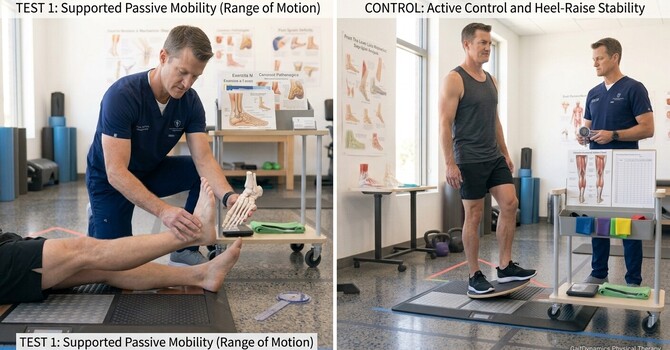
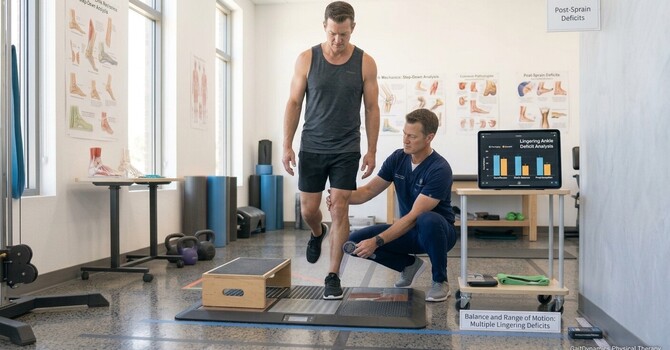
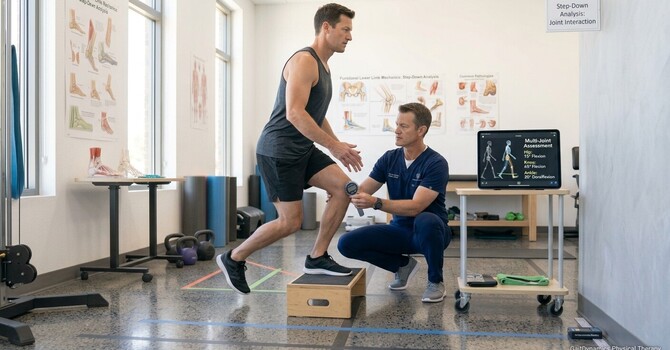
The examination may include foot flexibility, ankle mobility, calf strength, balance, walking, and functional tasks. If symptoms suggest a specific foot or ankle condition, further medical evaluation may be appropriate.
The goal is to determine whether the foot shape is simply a normal variation for you or whether there is a problem that needs treatment.
Treat the person, not just the arch
If you want to walk comfortably, spend less time worrying about your feet, return to exercise, or manage a demanding workday, care should focus on those goals.
At Optimal Health, an evaluation can help connect your symptoms and foot function with the demands of your daily life. The plan should reflect the findings rather than assume every low arch needs to be changed.
CTA: If you have flat feet and are experiencing pain, stiffness, or activity limitations, schedule an evaluation to understand whether the foot shape is relevant and what options may fit your needs.