Your headache feels different this time. Maybe it started suddenly, is more severe than usual or comes with symptoms you haven't experienced before.
It's tempting to assume that the neck or shoulder muscles are responsible, especially if they feel tight. But not every headache is a musculoskeletal problem, and some symptoms need medical attention before any neck-focused treatment is considered.
Why the headache history matters
A useful evaluation begins with questions about the headache itself.
When did it start? Did the pain reach its maximum intensity suddenly or build gradually? Is this your usual pattern, or is it new? How often does it happen? Have you noticed changes in vision, sensation, strength, balance or speech?
Other factors, such as fever, recent trauma, relevant medical history and medication use, may also affect the next step.
These questions help determine whether a musculoskeletal assessment is appropriate or whether medical investigation should come first.
When might the neck be relevant?
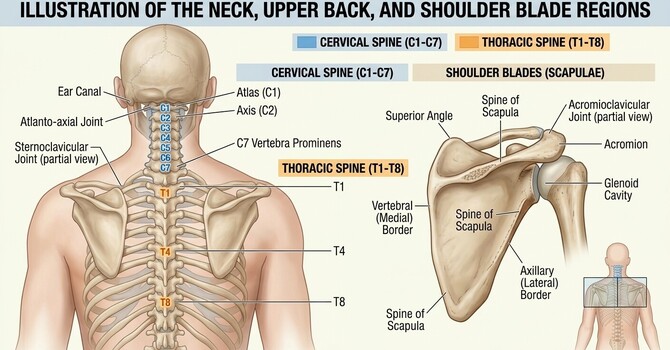
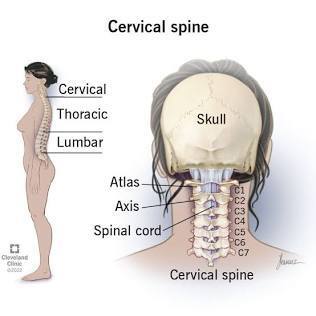
Some headaches are classified as cervicogenic because they are attributed to a cervical source. In these cases, a clinician may identify a relationship between the headache and specific neck findings.
But neck stiffness or tenderness can also accompany migraine and other headache disorders. A sore neck alone doesn't establish a cervicogenic headache.
The assessment needs to consider both the headache pattern and the musculoskeletal examination rather than relying on one finding.
What warning signs should you know?
Seek emergency medical care if you experience:
-
A sudden, extremely severe headache that peaks rapidly.
-
New weakness, facial drooping, difficulty speaking, confusion or loss of vision.
-
A severe headache with fainting, seizure or major changes in alertness.
-
A severe headache following significant head trauma.
Prompt medical assessment is also important for a new headache with fever and marked neck stiffness, a progressively worsening headache, or a headache accompanied by new neurological symptoms.
A headache that is new during pregnancy or the postpartum period, or occurs in someone with significant immune suppression or a history of cancer, may also require a lower threshold for medical investigation.
This list isn't exhaustive. If a headache feels unusual or concerning, seek medical advice rather than trying to diagnose it through posture or muscle tension.
Does every headache require imaging?
No. The need for imaging or other testing depends on the history, examination and suspected cause. A clinician should not assume that every headache needs a scan, nor should concerning symptoms be dismissed because the neck feels tight.
Where does musculoskeletal care fit?
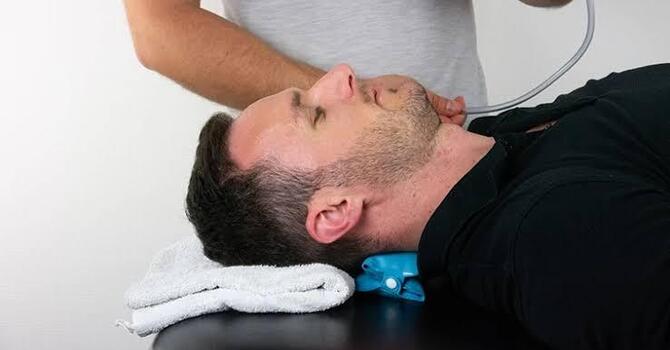
Once a headache has been appropriately evaluated and a musculoskeletal contribution is identified, care may include selected exercise, movement strategies and manual therapy when appropriate.
For some patients with cervicogenic headache, physical therapy interventions may help reduce symptoms, although evidence varies by intervention and outcome. These approaches are not a substitute for medical evaluation when warning signs are present. <Cite refs={["turn334711search1","turn334711search4"]} />
Make safety part of the plan
At Optimal Health, neck and upper-back function can be assessed when relevant to your presentation. If your history or symptoms suggest a headache that needs medical investigation, that is the priority.
If your headaches occur alongside neck discomfort and you've had appropriate medical assessment, an evaluation can help determine whether movement-related factors may be contributing and whether conservative care is a reasonable next step.
The goal is not to assume every headache comes from the neck. It's to identify the right problem and choose the right next step.