If your knee starts hurting during a run, someone may tell you that you have “runner’s knee.” It sounds like a clear diagnosis, but the term can mean different things depending on who is using it.
That matters because knee pain in runners can have several causes, and the right approach depends on what is actually happening.
Runner’s knee isn't one specific injury
People often use “runner’s knee” to describe pain around or behind the kneecap. Clinicians may refer to this pattern as patellofemoral pain. It commonly becomes noticeable during activities that load the knee while it's bent, including running, squatting, stair climbing, and jumping.
But the term is sometimes used more broadly for almost any knee pain associated with running. Pain around the patellar tendon, along the joint line, or elsewhere in the knee may have a different explanation.
The location of your pain, how it began, whether the knee is swollen, and which activities trigger symptoms all help narrow down the possibilities.
The label is a starting point, not the whole assessment.
Why can running irritate the knee?
Running involves repeated loading. Each stride asks your muscles, tendons, and joints to handle forces, while your body coordinates balance and forward movement.
Problems can arise when training demands increase faster than your body is currently prepared to tolerate. A sudden increase in mileage, adding hills or speed work, or returning to running after a break may change the demands on your knees.
That doesn't mean running is inherently bad for your knees. It means the amount and type of running you do should be considered alongside your current capacity, recovery, previous injuries, and goals.
What should you pay attention to?
Notice where the pain occurs, when it starts, and how it behaves after your run. Is it present from the first few minutes, or does it build as you go? Does it settle shortly afterward, or remain aggravated into the next day?
Also pay attention to swelling, locking, instability, and whether you can bear weight normally. These features may point away from a simple running-related overload problem and warrant medical assessment.
Severe pain, significant swelling, inability to bear weight, a locked knee, or symptoms after a substantial injury deserve prompt evaluation.
The right plan depends on the runner
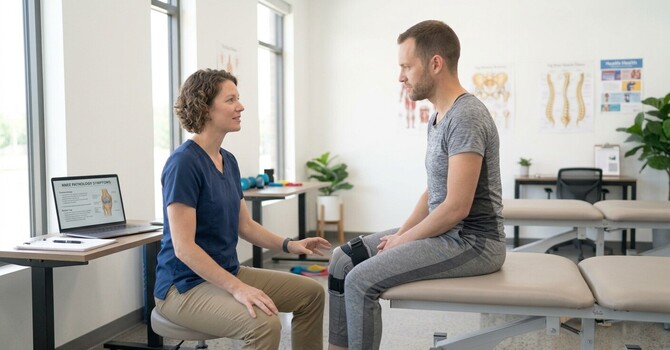
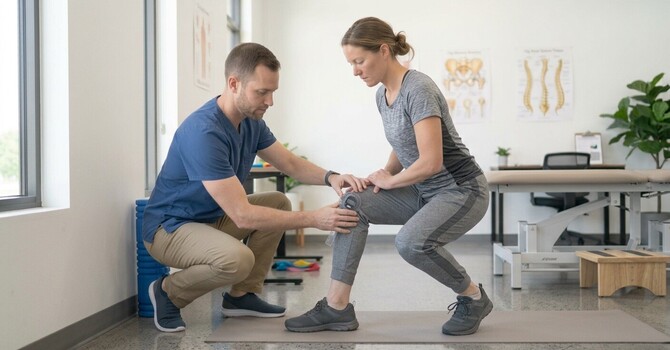
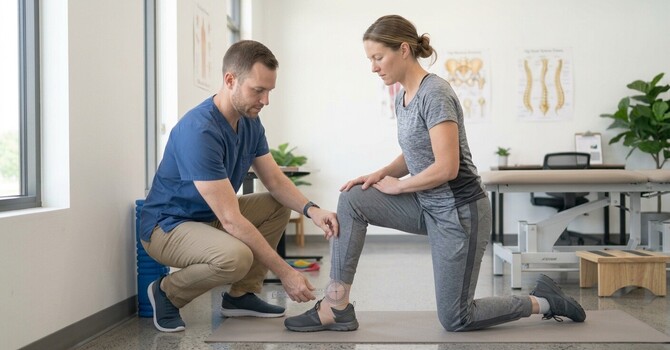
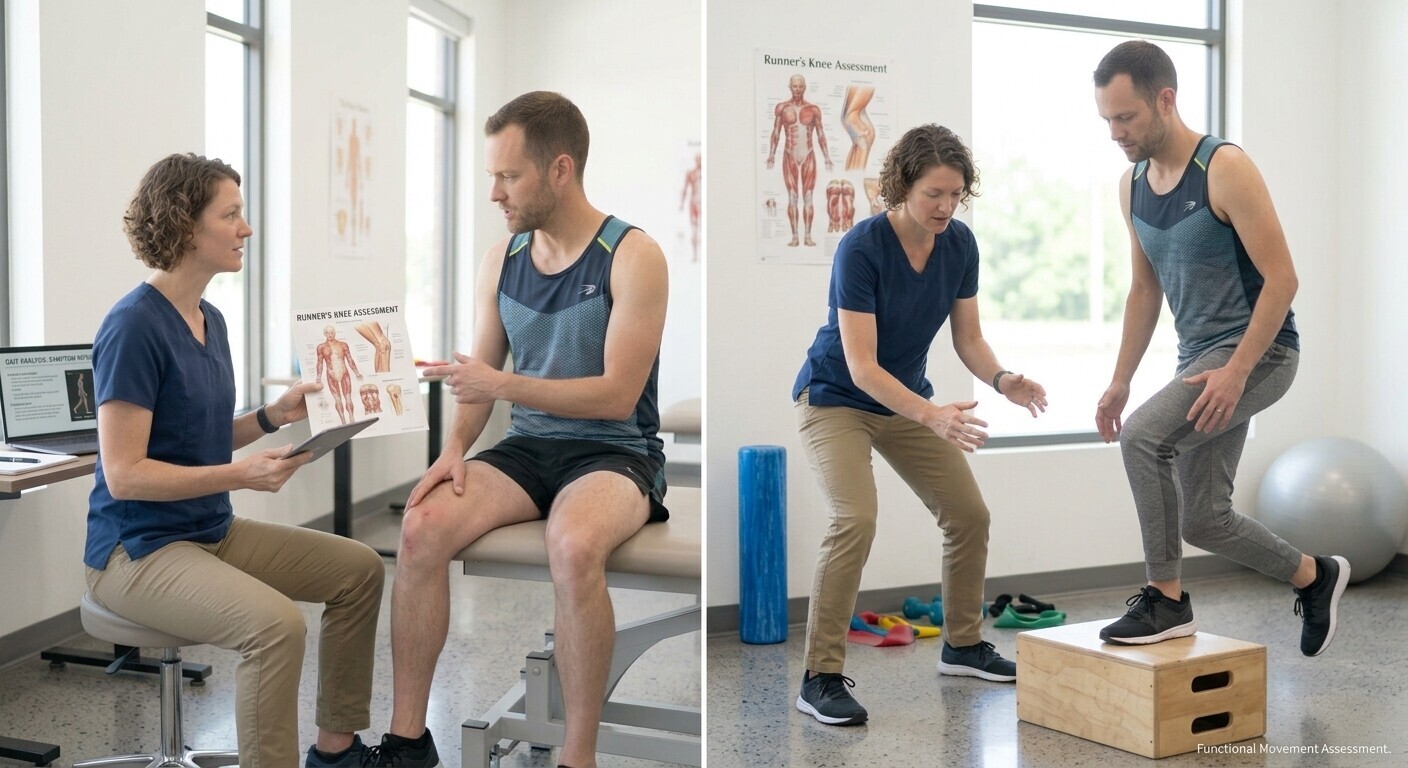
An evaluation may include your training history, knee motion and strength, hip and ankle function, and movements that reproduce your symptoms. If appropriate, a clinician may observe your running gait.
Not every runner needs to change their foot strike, buy new shoes, strengthen the same muscles, or stop running completely. Those decisions should follow the assessment.
At Optimal Health, the aim is to understand what your knee is telling us, what may be contributing to the symptoms, and how care can help you work toward the running goals that matter to you.
CTA: If knee pain is disrupting your runs or making you hesitant to train, schedule an evaluation to better understand the symptoms and discuss an appropriate plan for moving forward.