You may have tried resting, changing shoes, rolling your foot over a ball, or stretching your calves. Some of those strategies may help, but heel pain can keep returning when you increase walking or spend a long day on your feet.
One reason is that symptom relief and activity capacity are related but different goals.
If your foot is going to handle longer walks, demanding workdays, or running again, the plan may need to address the demands you'll place on it.
What does load mean?
Load is the demand placed on your body during an activity. For your foot, that includes the duration and frequency of standing, walking, running, jumping, and other weight-bearing tasks.
The total demand can change when you increase your walking distance, return to exercise, work extra shifts, or add hills to your runs.
If symptoms appear after a change in activity, the timing can offer a useful clue. It doesn't prove that the activity caused the problem, but it helps guide the assessment.
What is capacity?
Capacity is your current ability to tolerate a particular demand.
You may be comfortable walking around the house but develop heel pain after several hours at work. Or you may manage a short walk but struggle when you try to return to longer distances.
That doesn't mean your foot is damaged every time it hurts. It means your current tolerance may not match the demands of that activity, or another condition may need to be identified.
Why strength can matter
The foot and ankle muscles help control movement and manage the demands of standing and walking. For plantar fasciitis, clinical practice guidelines recommend therapeutic exercise that includes resistance training for the foot and ankle muscles.
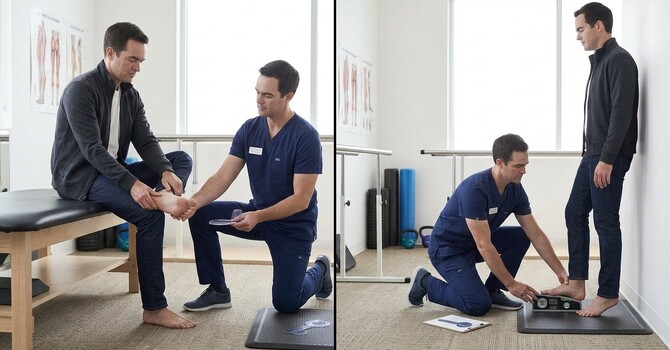
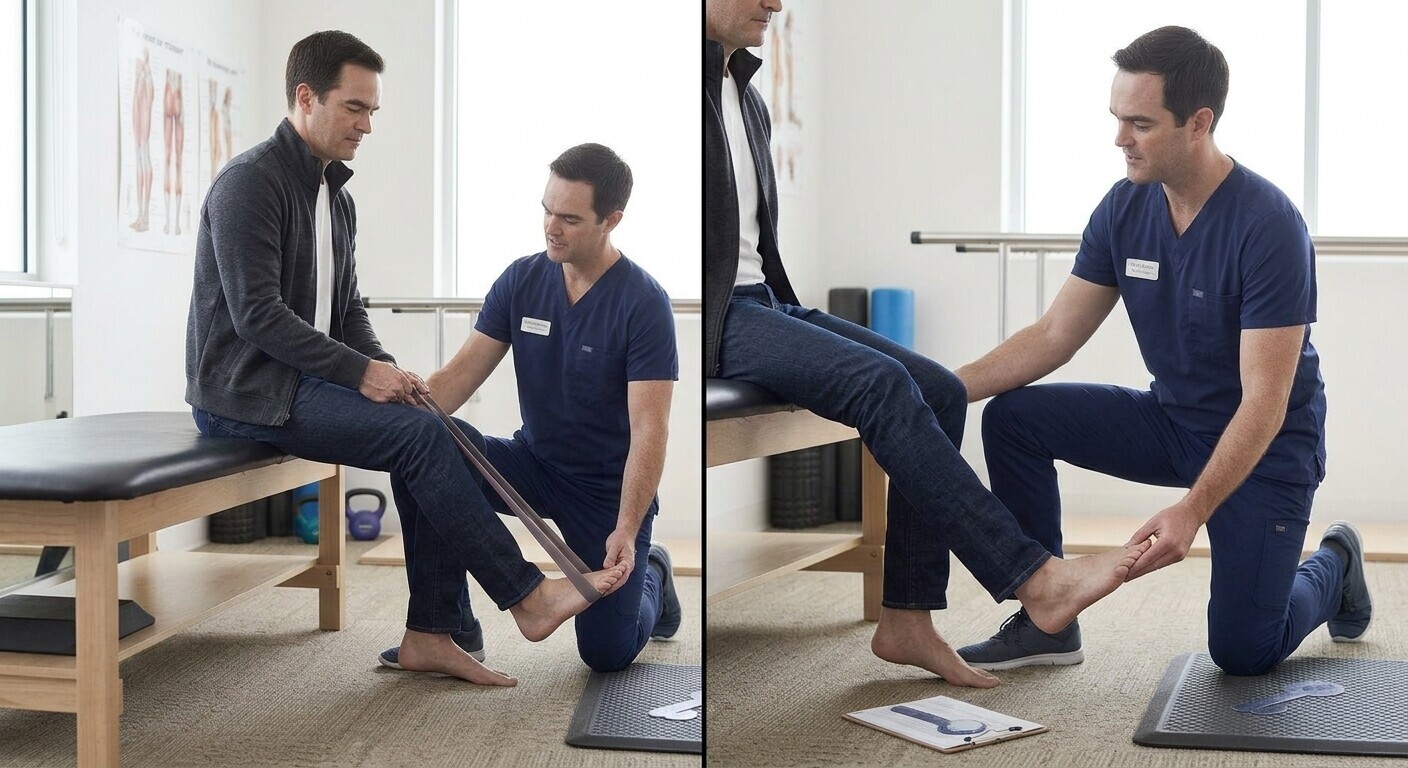
The specific exercises depend on the person. A plan may include calf raises or other progressive resistance exercises, alongside appropriate stretching and activity adjustments.
The goal is to start at a level your foot can tolerate and progress as symptoms and function allow. Beginning with a manageable exercise doesn't mean you must stay at the same level forever.
Build up without jumping from zero to full activity
If walking a mile currently aggravates your heel, immediately returning to five-mile walks may be too large a change. A more gradual progression may help you monitor how your foot responds.
There isn't a universal increase that works for everyone. Your diagnosis, symptom pattern, baseline activity, and response to exercise all matter.
If pain escalates, swelling develops, or walking becomes difficult, reassess rather than pushing through. Persistent or unusual symptoms may require further medical evaluation.
Your rehabilitation should match your life
Someone who stands for eight hours at work has different demands from a recreational runner. The plan should account for the activities you need to do, not just the exercises you can perform in a clinic.
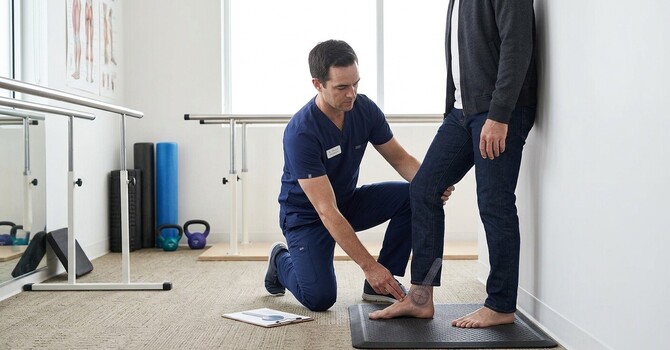
At Optimal Health, the aim is to connect symptoms, strength, mobility, and activity demands so care can progress toward the things you want to do again.
CTA: If heel pain keeps returning whenever you increase activity, schedule an evaluation to discuss your current tolerance and how to build a more sustainable plan around your goals.