When your heel hurts, stretching is an understandable first step. It's simple, requires little equipment, and can sometimes make the foot feel more comfortable.
But what if you've been stretching every morning and your heel still hurts after a long walk or work shift?
That doesn't necessarily mean stretching is useless. It may mean that stretching alone isn't addressing everything involved in your symptoms.
Stretching has a role
For plantar fasciitis, plantar fascia-specific stretching and calf stretching are supported by clinical practice guidelines. These exercises can help reduce pain and improve function.
The details matter, though. A stretch should be appropriate for your condition and tolerable for your current symptoms. More force is not automatically better, and an exercise that aggravates your heel significantly may need to be modified.
It's also important to distinguish the feeling of tightness from a confirmed mobility restriction. Not every painful or tight-feeling foot needs more stretching.
Your foot needs to handle load, too
Walking, standing, climbing stairs, and running all place demands on the foot. If those demands exceed what you can currently tolerate, symptoms may persist even if stretching provides temporary relief.
Foot and ankle strength can be relevant to managing those demands. Depending on the assessment, rehabilitation may include resistance exercises for the calf and other foot and ankle muscles, along with gradual increases in activity.
This doesn't mean weakness is always the cause of plantar heel pain. It means strength and functional capacity may be important parts of the overall plan.
What else might need attention?
The appropriate approach depends on your presentation. Activity modification may help during a flare. Footwear adjustments or taping may be useful in selected cases. Some people may benefit from orthoses as part of a broader plan rather than relying on inserts alone.
A clinician may also consider ankle mobility, walking tolerance, and the demands of your work or sport.
If the symptoms don't fit a typical plantar fasciitis pattern, or they persist despite a reasonable plan, reassessment can help determine whether another diagnosis needs consideration.
Severe pain, significant swelling, inability to bear weight, or pain following a substantial injury deserves medical evaluation rather than simply adding more stretches.
Progress toward the activity you miss
If you want to walk longer distances, stand through a workday, return to running, or exercise without constantly thinking about your heel, the plan needs to address those activities.
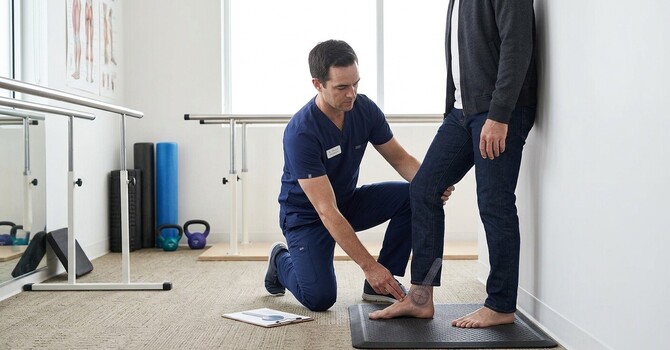
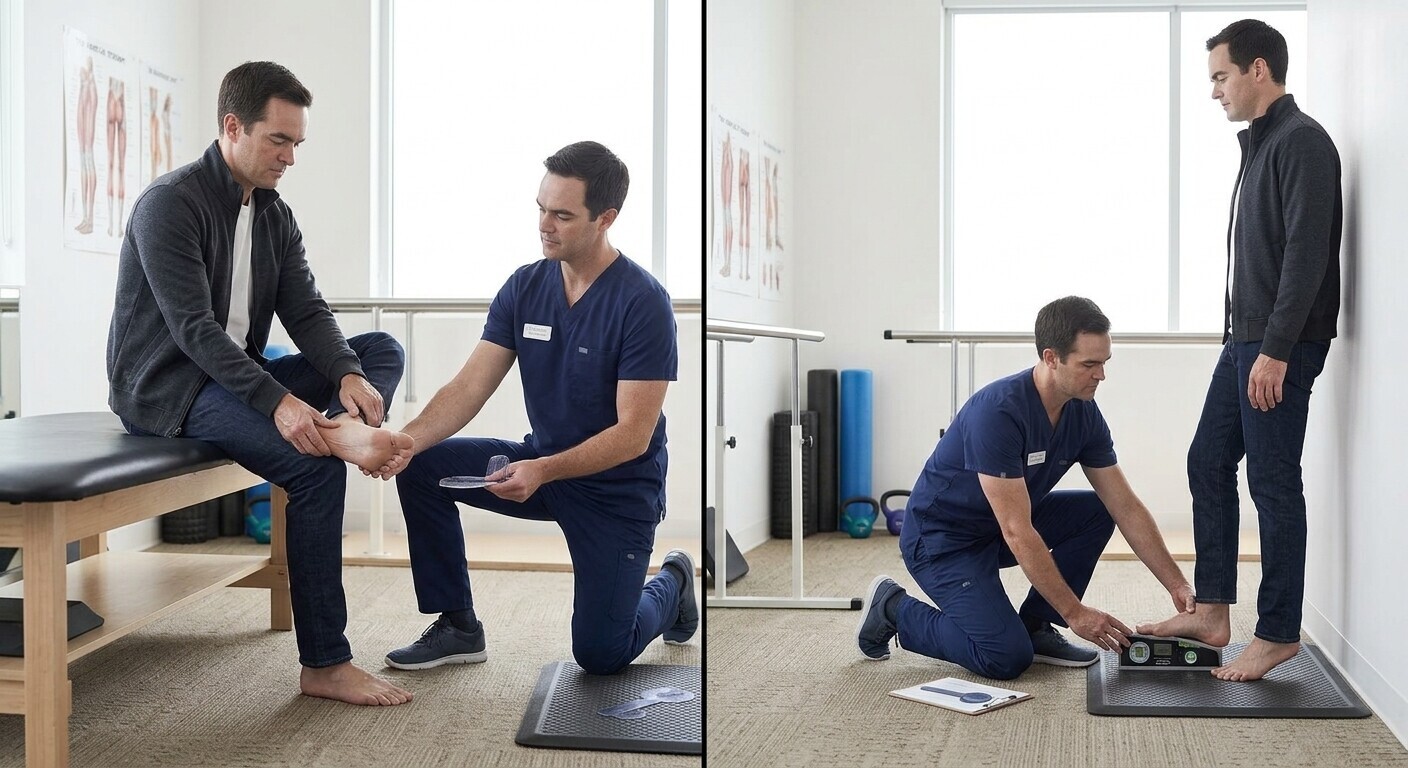
At Optimal Health, an evaluation can help identify which findings are most relevant and how mobility work, strengthening, and activity adjustments may fit together. Progress should be measured by function as well as symptoms.
CTA: If stretching hasn't been enough to improve your heel pain, schedule an evaluation to discuss what may be missing from your current approach and what a more complete plan could involve.