When heel pain interferes with walking or running, it's easy to fall into one of two patterns: avoiding activity for weeks or trying to return to your old routine as soon as the pain eases.
Neither approach fits every situation.
If plantar fasciitis is the cause, recovery often involves managing aggravating demands while gradually rebuilding the capacity needed for daily activities and exercise.
Start with your current tolerance
Think about what you can comfortably do today. Can you walk around the house? Manage a short shopping trip? Get through a work shift? Does pain increase during activity or remain aggravated afterward?
These observations can help guide decisions, but they aren't a substitute for assessment when symptoms are severe, persistent, or unusual.
If you have substantial swelling, inability to bear weight, severe pain following an injury, or other concerning symptoms, seek medical evaluation before attempting a return-to-activity program.
Make a manageable adjustment
If longer walks or runs consistently aggravate your heel, temporarily reducing distance, speed, hills, or frequency may help.
You may be able to maintain other activities that your foot tolerates, depending on the cause of the pain. Complete inactivity isn't automatically necessary, but repeatedly forcing a painful workload may make progress harder to judge.
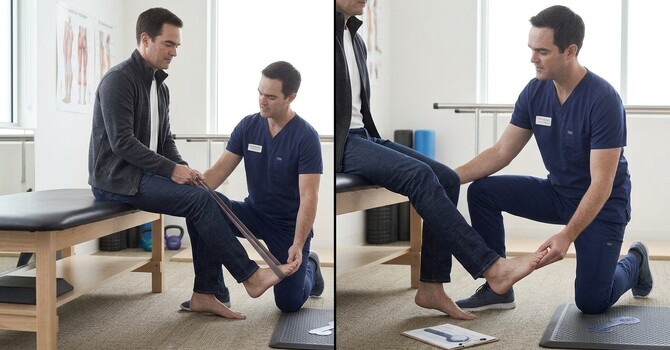
Comfortable footwear and appropriate stretching may help some people with plantar fasciitis. A rehabilitation plan may also include progressive foot and ankle strengthening.
Progress toward the activity you want back
Returning to exercise should be based on your current function and how your symptoms respond, not a universal timetable.
For walking, that might mean gradually increasing duration. For running, it may involve a staged return that begins with a manageable amount of activity before progressing toward longer or faster sessions.
Pay attention to the response during activity and later in the day. If symptoms repeatedly worsen, the current level may be too demanding or the underlying problem may need reassessment.
Strength, mobility, and load tolerance can all influence the plan, but they should be addressed according to the findings rather than treated as a checklist everyone must complete.
Measure progress by what you can do
A better morning or a lower pain rating can be encouraging. So can being able to stand through work, walk around town, hike with family, or return to running without repeatedly provoking symptoms.
Those functional goals help determine whether your plan is moving in the right direction.
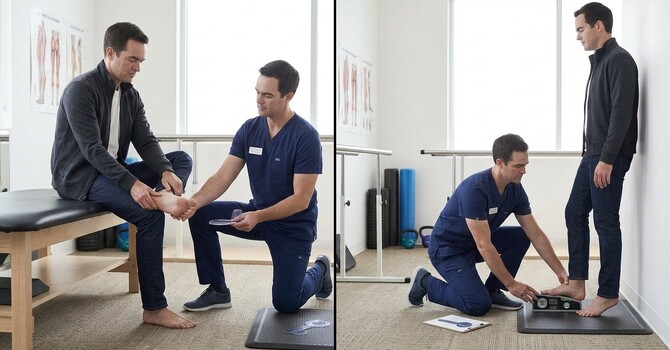
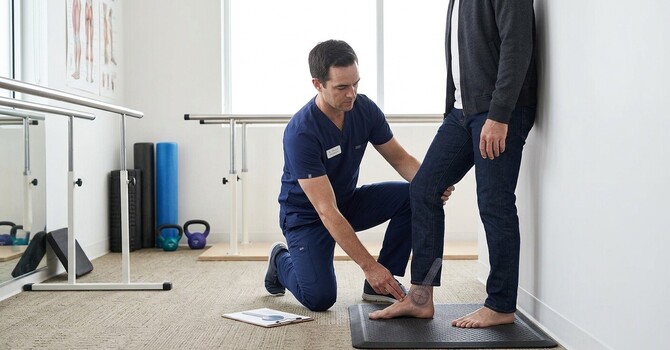
At Optimal Health, an evaluation can help clarify the likely cause of heel pain, assess the limitations affecting your activity, and guide a progression that reflects your goals. As your tolerance improves, the plan can be reassessed and adjusted.
CTA: If heel pain is keeping you from walking, running, or exercising the way you want, schedule an evaluation to discuss your symptoms and a sensible path back toward activity.