Heel pain can make simple activities surprisingly difficult. Getting out of bed, walking across the kitchen, standing at work, or taking your first steps after a long drive may suddenly feel uncomfortable.
You may hear the term plantar fasciitis used to describe the problem. It is a common cause of pain underneath the heel, but it isn't the only possible explanation.
Heel pain is a symptom, not a diagnosis
The plantar fascia is a strong band of connective tissue along the bottom of the foot. It helps support the arch and contributes to the way the foot manages load during standing and walking.
Plantar fasciitis commonly causes pain near the inside-bottom portion of the heel. Symptoms are often most noticeable during the first steps in the morning or after sitting for a while. Walking may initially feel uncomfortable, even if the pain eases as you get moving.
However, other conditions can cause heel pain. These include irritation of the heel's fat pad, nerve-related symptoms, and stress injuries involving the heel bone. Pain near the back of the heel may involve the Achilles tendon or other structures rather than the plantar fascia.
The location of the pain is useful information, but it doesn't tell the whole story.
What clues help distinguish the possibilities?
A clinician may ask when your symptoms began, whether you recently changed your activity, where the pain is concentrated, and how it responds to walking or standing.
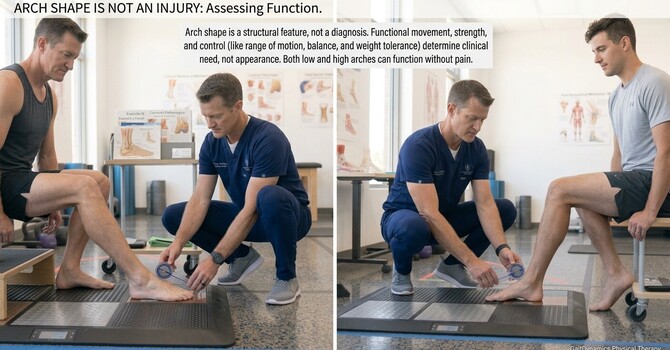
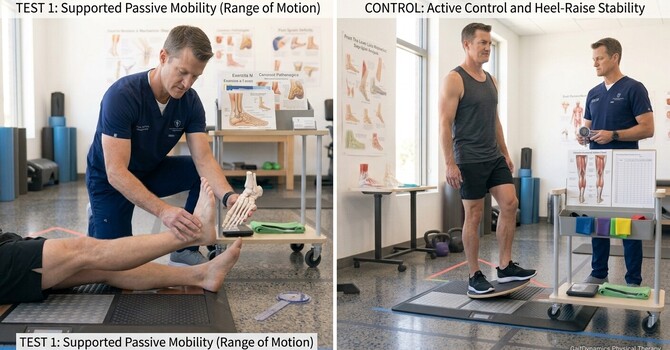
The examination may include tenderness, foot and ankle mobility, calf strength, walking, and other functional movements. Your medical history and any recent injury also matter.
For example, a sudden increase in activity accompanied by focal bone pain may raise different concerns from familiar first-step pain that developed gradually. Significant swelling, inability to bear weight, or severe pain after an injury should be assessed promptly.
Why the distinction matters
If plantar fasciitis is the likely explanation, treatment may include plantar fascia-specific stretching, calf stretching, progressive foot and ankle strengthening, and adjustments to aggravating activities. Other options may be considered based on the findings.
If the pain has another cause, a plantar fasciitis routine may not address the underlying problem. Persistent or worsening symptoms deserve reassessment rather than an endless cycle of trying new stretches or inserts.
At Optimal Health, an evaluation can help connect the pattern of your symptoms with your movement, activity demands, and functional goals. The aim is to identify the most appropriate next steps rather than assume every painful heel is the same condition.
CTA: If heel pain is making it harder to walk, work, exercise, or get moving in the morning, schedule an evaluation to better understand what may be causing it.