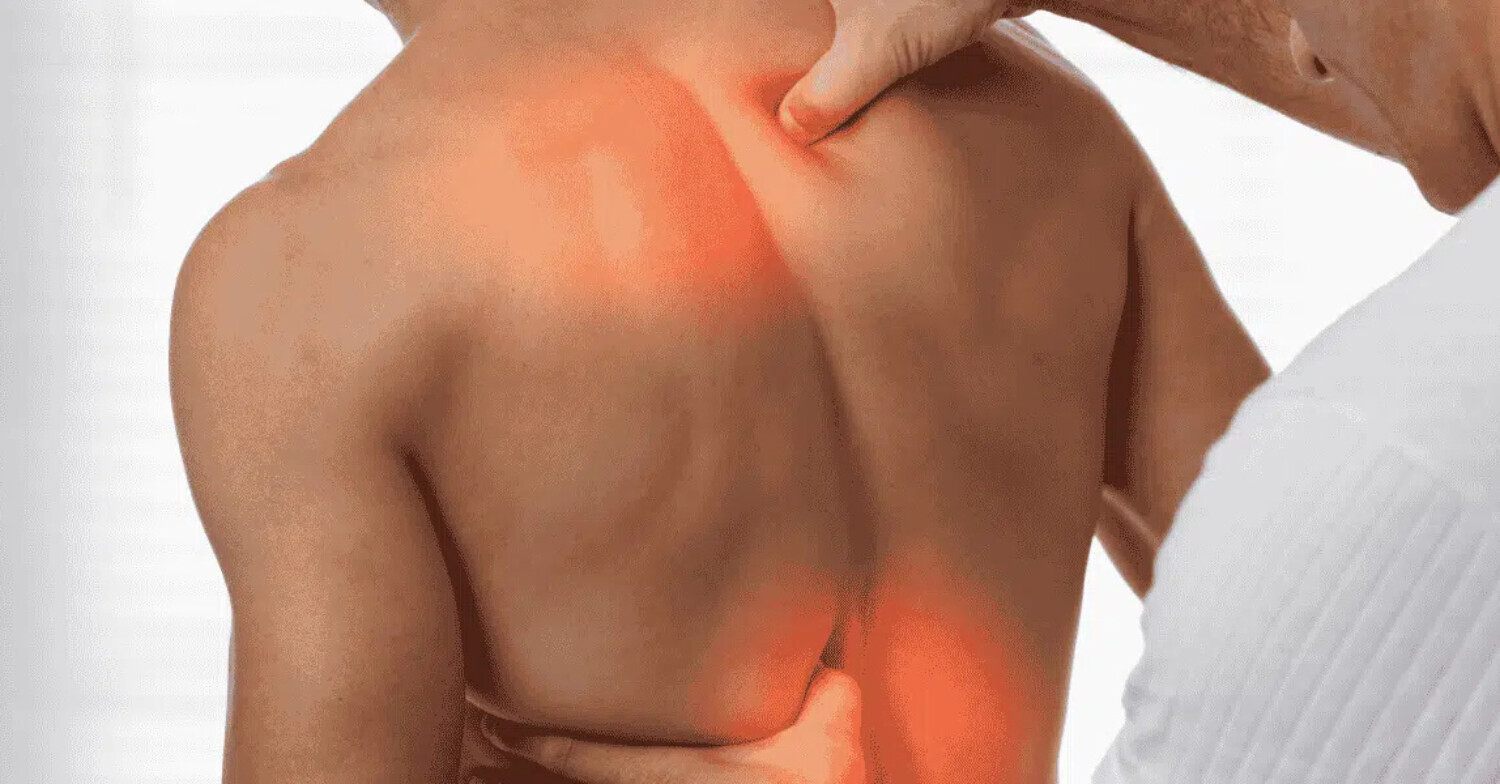
You know the feeling all too well. A deep, nagging ache settles right between your shoulder blades. You try everything to get rid of it. You stretch your arms across your chest, lean back over your chair, use a heating pad, or maybe even dig a tennis ball into the tight spot.
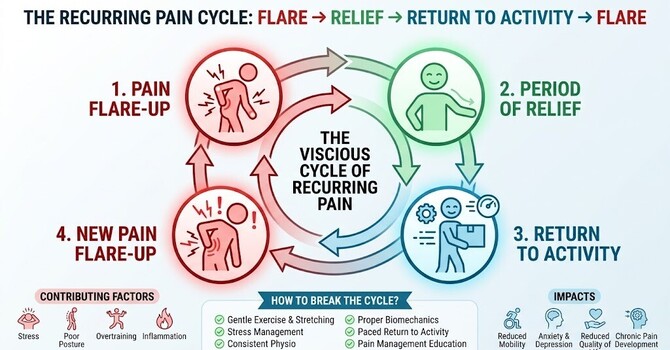
For an hour or two, you feel great. But by the next afternoon, that familiar knot is right back where it started.
Dealing with recurring upper back pain is incredibly frustrating. It can distract you from your work, make it hard to relax on the couch, and even disrupt your sleep. If you feel like you are stuck in an endless cycle of temporary relief and returning pain, you are not alone.
At Optimal Health, we help patients across South Jersey break this cycle. Let us explore why that stubborn pain between your shoulder blades keeps coming back, and what you can do to find long-lasting relief.
Why the Painful Spot Isn’t Always the Root Cause
When we feel pain, our first instinct is to assume the problem lies exactly where it hurts. If your upper back aches, it seems logical that the muscles in your upper back are the issue. However, the human body is deeply connected, and where it hurts is often just a symptom of a problem happening somewhere else.
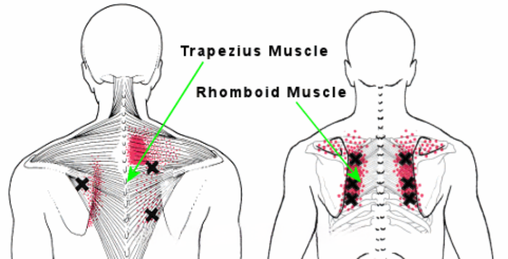
The area between your shoulder blades is a major intersection for your muscles, nerves, ribs, and spine. Often, the burning or aching sensation you feel is actually "referred pain." This means a problem in your neck, shoulders, ribs, or upper spine is sending distress signals to your mid-back.
If you only massage or stretch the painful area, you are only treating the symptom. To stop the pain from returning, you have to uncover and address the true root cause.
Common Reasons for Recurring Pain Between the Shoulder Blades
So, what is actually causing that knot to keep coming back? Let us look at the most common culprits we see in our offices.
Poor Posture and Rounded Shoulders
Your head is heavy. When you stand and sit with good posture, your skeleton supports that weight effortlessly. But when you slump forward and let your shoulders round out, the muscles between your shoulder blades have to work overtime to keep your head from falling forward. This constant tug-of-war exhausts the muscles, leading to chronic tightness and aching.
Long Hours at a Desk or Phone
Many of us spend hours hunched over laptops, steering wheels, or smartphones. This prolonged forward-leaning posture forces the upper back to stretch out and weaken, while the muscles in the chest become short and tight. This imbalance pulls your shoulder blades forward and away from your spine, placing immense strain on the muscles in your upper back.
Thoracic Spine Stiffness
Your thoracic spine is the middle section of your back. It is designed to be highly mobile, allowing you to twist, turn, and bend. However, long periods of sitting can cause the joints in this area to become locked and stiff. When your middle back loses its natural movement, the surrounding muscles tighten up in an attempt to protect the stiff joints.
Neck Tension and Referred Pain
Your neck and upper back share several major muscle groups and nerve pathways. A stiff neck, irritated joints in the cervical spine, or even a bulging disc in your neck can send shooting or aching pain straight down between your shoulder blades. If your neck is the actual culprit, no amount of upper back stretching will provide lasting relief.
Rib Joint Restrictions
Your ribs attach to your spine right in the middle of your upper back. These small joints are supposed to move slightly every time you take a breath or twist your torso. Sometimes, a sudden movement or a bout of heavy coughing can cause a rib joint to become restricted or slightly misaligned. This can cause a sharp, stabbing pain between the shoulder blades that flares up when you take a deep breath or turn your body.
Stress-Related Muscle Tightness
When you feel stressed or anxious, your body enters a mild "fight or flight" state. Without even realizing it, you might hike your shoulders up toward your ears and clench your jaw. Over days and weeks, this chronic physical tension creates painful, stubborn knots in your trapezius and rhomboid muscles.
Weak Upper Back and Postural Muscles
Sometimes, the muscles between your shoulder blades hurt simply because they are too weak to handle the demands of your daily life. If your postural muscles lack strength and endurance, they will quickly fatigue when asked to hold you upright. Strengthening these muscles is often the missing key to keeping the pain away for good.
How Optimal Health Can Help
If heat packs and foam rolling aren’t giving you lasting relief, it may be time to take a more comprehensive approach. At Optimal Health, we don’t just focus on where it hurts — we look at what’s actually causing the problem.
We start with a thorough movement assessment to understand what’s contributing to your pain and why it keeps coming back. From there, we build a plan designed to help you feel better and move better long-term.
Here’s how our approach can help:
Chiropractic Care:
We use gentle, targeted adjustments to improve mobility not just in your upper back, but also in the surrounding areas that often contribute to back pain — including the neck, ribs, lower back, and hips. When joints aren’t moving well, the surrounding muscles tend to tighten up and overwork. By restoring proper joint motion, we help reduce that strain and allow your body to function more efficiently.
Depending on your needs, treatment for back pain may also include Flexion-Distraction Therapy, Graston Technique, Shockwave Therapy, soft tissue work, therapeutic exercises, and mobility-based care to help reduce pain, improve movement, and support longer-lasting relief.
Physical Therapy:
We guide you through exercises that strengthen the muscles supporting your posture, especially in the upper back and neck. Building strength in these areas helps your body better handle daily stress.
Manual Therapy:
Hands-on techniques are used to reduce muscle tension, improve blood flow, and release tight or irritated areas. This can help relieve that “tight knot” feeling many people experience.
Corrective Exercises and Mobility Work:
We provide customized stretches and mobility work to improve movement in the chest, shoulders, and upper back. This helps restore balance and keeps your joints moving more freely.
Guidance on Posture and Daily Habits:
We also look at your daily routine. Whether it’s adjusting your workstation, improving your sleep position, or adding simple movement breaks, we give you practical ways to prevent the pain from coming back.
Find Relief in South Jersey
You do not have to settle for living with a constant ache in your back. Recurring pain between the shoulder blades is highly treatable when you identify the right contributing factors and address them with a well-rounded plan.
If you are dealing with recurring pain between your shoulder blades, let us help you find relief. Schedule an evaluation at Optimal Health today, and take the first step toward a more comfortable, active life.