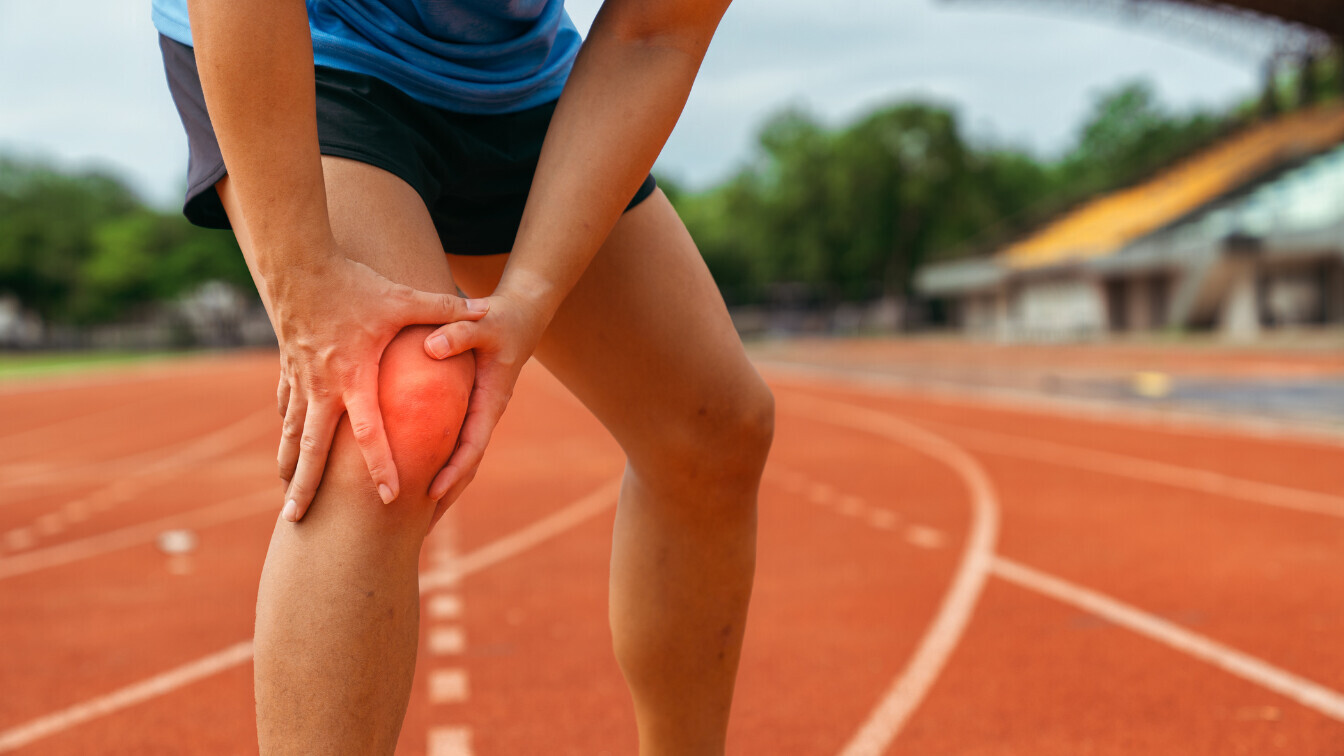
Knee pain during running, workouts, or even walking down stairs can quickly turn an active lifestyle into a frustrating one. One of the most common causes of this type of knee pain is Runner’s Knee, also known as Patellofemoral Pain Syndrome (PFPS).
Despite its name, Runner’s Knee doesn’t only affect runners. It’s commonly seen in active adults, athletes, gym-goers, and people who spend long periods sitting or climbing stairs.
The good news is that in most cases, Runner’s Knee can be treated successfully without injections or surgery. At Optimal Health, our focus is on identifying the root cause of the problem and correcting the underlying movement patterns that are placing extra stress on the knee.
What Is Runner’s Knee?
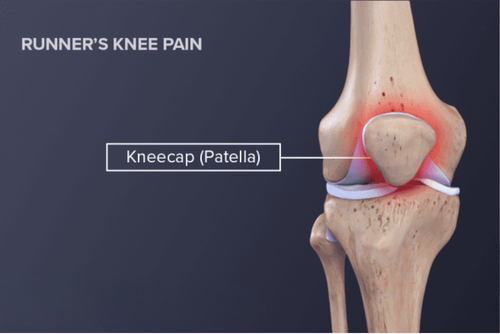
Runner’s Knee typically causes pain around or behind the kneecap. The discomfort often starts mild but can gradually worsen if the underlying issue isn’t addressed.
People with Runner’s Knee commonly notice pain when:
-
Running or jogging
-
Squatting or lunging
-
Climbing stairs
-
Sitting for long periods with bent knees
-
Standing up after sitting
Unlike ligament injuries or meniscus tears, Runner’s Knee usually develops gradually rather than from a sudden injury.
Not All Knee Pain Is the Same
Runner’s Knee is sometimes confused with other knee conditions.
For example:
IT Band Syndrome
Pain usually appears on the outer side of the knee and often worsens when running downhill.
Meniscus Injuries
Often involve locking, catching, or clicking inside the knee joint.
Ligament Injuries
Typically occur suddenly during sports or accidents.
Runner’s Knee, on the other hand, usually develops slowly as stress builds up around the kneecap.
Why Runner’s Knee Happens
The kneecap normally moves smoothly within a groove in the thigh bone as the knee bends and straightens. This movement is called patellar tracking.
When the knee moves properly, the forces around the joint remain balanced. But if something disrupts this movement pattern, the kneecap may begin to track slightly off center, creating irritation and pressure in the joint.
Several factors can contribute to this problem.

Weak Hip and Glute Muscles
The muscles around the hips help control the position of the leg during walking, running, and jumping. When these muscles are weak, the knee may collapse inward during movement, placing extra stress on the kneecap.
Tight Muscles Around the Knee
Tight quadriceps, hip flexors, or hamstrings can pull the kneecap out of its natural path, affecting how it moves during activity.
Poor Movement Mechanics
Running form, squat technique, and walking patterns can all influence how force travels through the knee joint.
Foot and Ankle Mechanics
When the arches of the feet collapse or the ankles roll inward, the knee may rotate slightly inward as well, affecting alignment throughout the leg.
Because the knee sits between the hip and the ankle, problems above or below the joint can easily affect how it functions.
How Optimal Health Treats Runner’s Knee Without Surgery
At Optimal Health, we focus on treating the whole movement system, not just the knee itself.
Our approach combines chiropractic care, physical therapy, and movement-based rehabilitation to help correct the mechanical factors that contribute to knee pain.
Movement Assessment
The first step is understanding how your body moves. We evaluate things like:
-
Walking and running patterns
-
Squatting mechanics
-
Hip and ankle mobility
-
Muscle strength and stability
This helps us identify the specific factors placing stress on your knee.
Chiropractic Care
Restrictions in the hips, pelvis, or lower back can change how force travels through the legs. Chiropractic adjustments help restore normal joint motion, allowing the body to move more efficiently.
When surrounding joints move properly, the knee often experiences less strain during activity.
Physical Therapy and Strengthening
Strengthening key muscles is essential for long-term recovery. Treatment often focuses on improving strength in the:
-
Glutes
-
Hip stabilizers
-
Quadriceps
-
Core muscles
These muscles help maintain proper alignment and reduce stress on the kneecap.
Manual Therapy
Hands-on treatment may also be used to reduce muscle tightness and improve mobility in surrounding tissues.
This helps restore more balanced movement around the knee.
Corrective Exercises
Targeted exercises help retrain the body to move more efficiently. This is especially important for runners and active individuals who place repetitive stress on their knees.
Improving hip control and movement mechanics can significantly reduce the likelihood of pain returning.
Why Surgery Is Rarely Needed
Runner’s Knee is typically a mechanical issue rather than structural damage. In many cases, correcting movement patterns and improving muscle balance can significantly reduce symptoms.
When the body begins moving more efficiently again, the irritation around the kneecap often improves without the need for invasive procedures.
Getting Back to Pain-Free Movement
Runner’s Knee can make everyday activities uncomfortable, but with the right approach, most people can return to running, exercise, and daily life without surgery.
At Optimal Health, we help patients throughout South Jersey identify the root cause of their knee pain and develop a treatment plan designed to restore healthy movement.
If you’re experiencing persistent knee pain during running, exercise, or daily activities, our team is here to help.
To schedule an evaluation, call 609-415-2821 for our Egg Harbor Township office or 856-295-0366 for our Turnersville office.
Let’s help you get back to moving comfortably again.