Your shoulder aches, your fingers tingle or your arm feels weaker than usual. You may wonder whether the problem starts in your neck, shoulder, elbow or wrist.
These areas can produce overlapping symptoms. In some cases, more than one factor contributes.
A useful evaluation doesn't assume the answer based on where the pain is felt. It gathers clues from your history, movement and neurological function.
Step one: Understand the symptom pattern
The clinician begins by asking how the symptoms started, where they travel and what changes them.
Pain that begins in the neck and extends into the arm may raise questions about nerve-root involvement. Tingling in particular fingers may suggest a peripheral nerve problem. Pain that occurs primarily with shoulder movement may prompt closer examination of the shoulder.
These patterns help guide the next steps, but none is definitive by itself.
The clinician also asks about weakness, numbness, hand coordination, balance, previous injuries and other health factors that may affect the assessment.
Step two: Examine the neck and shoulder
Neck movement may reproduce, reduce or change arm symptoms. Shoulder movement may reveal limitations that help explain pain during reaching or lifting.
The clinician may examine the upper back as well, depending on the history and findings.
The goal is not to assume that every painful shoulder is caused by the neck or that every neck problem requires shoulder treatment. It's to determine whether the movement findings relate to the person's symptoms and goals.
Step three: Assess nerve function
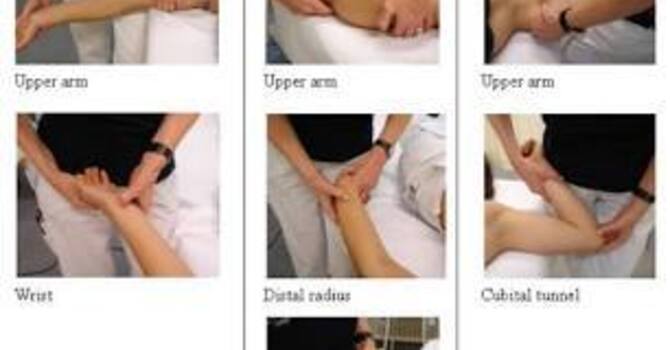
When nerve involvement is suspected, the examination may include muscle strength, sensation and reflexes. The clinician may also use selected tests that place mechanical demands on nerves as they travel through the arm.
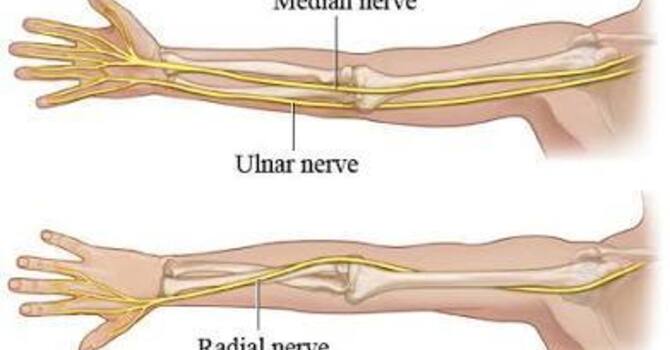
For example, symptoms affecting the thumb and index finger may lead to questions about the median nerve or a cervical nerve root. Symptoms involving the little finger may prompt assessment of the ulnar nerve and its pathway.
These patterns can overlap. Nerve provocation tests also have limitations, so the findings need to be interpreted together rather than used as a stand-alone diagnosis.
Step four: Decide whether further medical investigation is needed
Some presentations can be managed conservatively. Others require referral for further assessment.
New or progressive weakness, loss of hand coordination, difficulty walking, symptoms affecting both arms or legs, or bowel or bladder changes can be concerning signs. Significant trauma or other signs of serious illness may also change the approach.
Sudden neurological symptoms such as facial drooping, difficulty speaking or sudden one-sided weakness require emergency care.
Imaging and other tests are selected when the clinical picture supports them. They are not automatically needed for every episode of arm pain or tingling.
Step five: Build and reassess the plan
When conservative care is appropriate, the plan should match the findings and the person's goals. Depending on the presentation, it may include exercise, movement modifications, progressive strengthening, selected nerve mobility work or other appropriate care.
Progress should be monitored. Is strength stable or improving? Are symptoms less disruptive? Is the person returning to normal activities? If the findings or symptoms change, the plan may need to change as well.
Your symptoms deserve more than a guess
Neck, shoulder and peripheral nerve problems can look similar at first. Differentiating them takes careful reasoning and an examination that connects the symptoms to movement and function.
If arm pain, numbness or tingling is interfering with your work, exercise or daily routine, an evaluation at Optimal Health can help determine what needs attention and whether conservative care is appropriate.
The goal is to help you understand the problem, recognize when further medical evaluation is needed and take the next step toward the activities that matter to you.