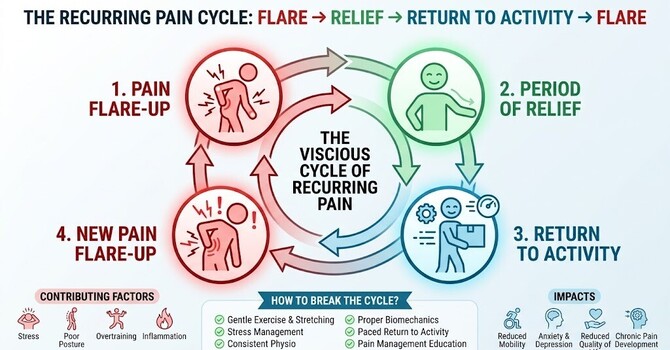
It’s a cycle many people in South Jersey know all too well. You wake up with a stiff, aching back. You decide to take it easy for a few days—maybe you skip the gym, avoid yard work, and spend the weekend resting on the couch.
And it works. The sharp pain dulls, the stiffness fades, and you feel ready to get back to your normal routine. But then, two weeks later, you bend down to tie your shoe or pick up a grocery bag, and ping—the pain is back, right where it started.
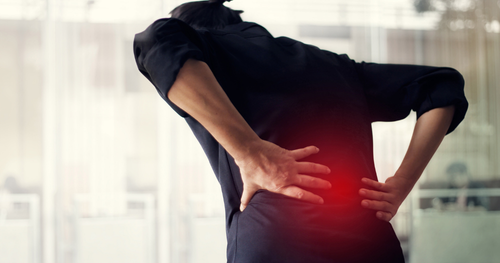
This frustrating loop of "hurt, rest, repeat" is incredibly common. It leaves many of our patients at Optimal Health wondering: If I rested and the pain went away, why did it come back? Did I not rest enough?
The truth is, while rest can help calm down irritated tissues, it rarely fixes the underlying reason why your back started hurting in the first place. Recurring back pain is often less about a single injury and more about how your body is moving, loading, and stabilizing itself.
If you are tired of the cycle, it might be time to look beyond rest and focus on resilience. Here is why your back pain keeps returning and what you can do to stop it.
Why Rest Isn’t Always the Answer
When you are in pain, your instinct is to stop moving. In the very early stages of a flare-up (the first 24 to 48 hours), some relative rest is helpful to let acute inflammation calm down. However, relying on rest as your only treatment strategy is often why the pain comes back.
Think of rest as hitting the "pause" button on your pain. It stops the irritation for a moment, but it doesn't change anything about how your body functions. When you hit "play" again—by returning to your life—your body is exactly the same as it was before the pain started, or perhaps even slightly weaker.
Prolonged rest can actually lead to deconditioning. Your muscles, including the deep core muscles that support your spine, can lose strength surprisingly quickly when they aren't used. Your joints can become stiffer from lack of movement. So, when you try to jump back into your normal activities after a week of doing nothing, your back is actually less prepared to handle the load than it was before.
The Difference Between Feeling Better and Actually Healing
To understand recurring pain, it is important to distinguish between symptom relief and true healing.
Symptom relief is the absence of pain. This is what happens when you take an ibuprofen or lie on a heating pad. You feel better because the chemical signals for pain have been dampened.
True healing, on the other hand, is the restoration of function. It means your tissues have recovered, your muscles are firing correctly, and your joints are moving smoothly.
Here is a relatable example: Imagine you have a pebble in your shoe that is hurting your foot. If you sit down and take the weight off your foot, the pain stops. You feel better. But the pebble is still in the shoe. As soon as you stand up and start walking again, the pain returns.
In this analogy, rest is sitting down. It stops the pain temporarily. True healing is finding the pebble (the root cause, such as poor movement habits or muscle weakness) and removing it so you can walk comfortably again.
How Daily Habits Slowly Build Stress
Back pain rarely happens in isolation. While it might feel like your back "went out" suddenly when you bent over to pick up a pen, that moment was likely just the final straw.

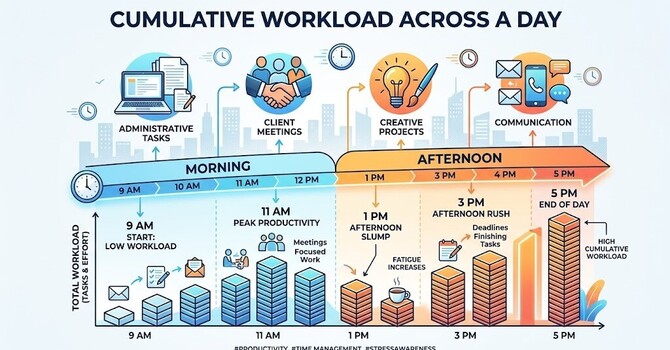
Recurring back pain is often the result of cumulative stress from daily habits. Your back is designed to handle load, but it needs variety and support.
- Prolonged Sitting: Many of us have jobs that require long hours at a desk or in a car. Sitting for extended periods places static stress on the structures of the lower back and can cause hip muscles to tighten.
- Repetitive Movements: If your job or hobby involves doing the same motion over and over—like twisting to one side or lifting from the ground—you may be overworking specific muscle groups while neglecting others.
- The Weekend Warrior Effect: This happens when we sit relatively still all week and then try to do heavy activity, like landscaping or playing sports, on the weekend. This sudden spike in activity can shock a back that isn't warmed up or conditioned for that level of intensity.
When you rest, you aren't fixing these habits. You are just waiting for the inflammation to go down. Once you return to the desk, the car, or the garden, the cumulative stress starts building up again until it hits the pain threshold.
Why Muscles Tighten Up to "Protect" You
Have you ever noticed that when your back hurts, it feels incredibly stiff and tight? This is your body’s natural defense mechanism, often called "muscle guarding."
When your brain detects a threat (pain or instability) in your spine, it sends a signal to the surrounding muscles to clamp down. It’s trying to create a natural splint to stop you from moving in a way that might cause more harm.
While this is helpful in the short term, it becomes a problem if it persists.
Even after the initial tissue irritation has healed, your muscles might stay in this guarded, tight state. This limits your mobility and changes how you move. You might start walking stiffly or avoiding bending your back. These compensation patterns can cause other muscles to become overworked and fatigued, leading to—you guessed it—more pain.
Rest alone doesn't tell your muscles to relax. Movement does. Gentle, controlled movement signals to the brain that it is safe to let go of that protective tension.
The Role of Strength, Mobility, and Movement Habits
If rest doesn't stop the pain from coming back, what does? The answer lies in building a body that is resilient enough to handle your daily life. This involves three key pillars:
1. Strength
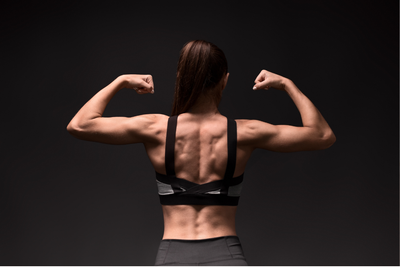
A strong back is a healthy back. Your spine relies on a complex system of muscles to support it. If these muscles are weak, the passive structures of your spine (like discs and ligaments) have to take on more load. Strengthening your core, glutes, and back muscles acts like a natural corset, providing support and taking pressure off your joints.
2. Mobility
Stiffness often feeds pain. If your hips are tight, your lower back often has to move more to compensate. If your upper back is stiff from hunching over a phone, your neck and lower back take the strain. Improving mobility in these key areas ensures that load is distributed evenly across your body, rather than getting stuck in one painful spot.
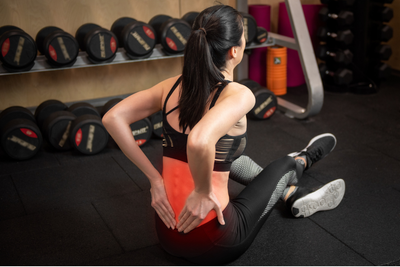
3. Better Movement Habits
This isn't just about "perfect posture." It is about how you use your body. It means learning to hinge at your hips when you bend over instead of rounding your spine every time. It means learning to engage your core before lifting a heavy box. It means taking micro-breaks to stand and stretch during a long workday.

How Optimal Health Can Help
Breaking the cycle of recurring back pain can be difficult to do on your own. It can be hard to know if you should push through stiffness or back off, or which exercises are safe and which might make things worse.
That is where we come in. At Optimal Health, with locations in Egg Harbor Township and Turnersville, we don't just treat the pain you feel today; we help you build a plan for tomorrow.
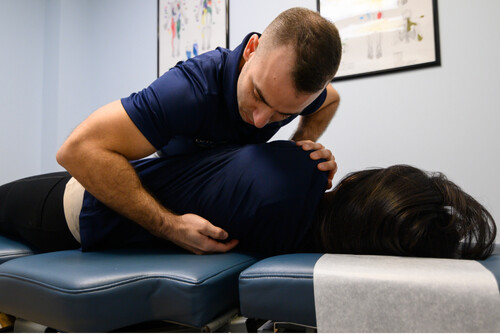
We take a comprehensive, movement-based approach focused on both relief and long-term resilience, offering a wide range of treatments to help you find the best path forward:
- Identification: We assess how you move to pinpoint the “pebble in your shoe”—whether it’s a mobility restriction, strength deficit, or movement habit causing irritation.
- Education: You’ll learn safe, effective ways to move and care for your back so you can return confidently to your regular activities.
- Manual Therapy: Our hands-on chiropractic and physical therapy techniques address muscle guarding and restore healthy joint motion, giving your back the best foundation to build on.
- Rehabilitation: We design personalized exercise programs to build up your strength, mobility, and movement control, setting you up for lasting relief.
- Shockwave Therapy: This non-invasive treatment uses high-energy sound waves to stimulate tissue healing and reduce stubborn muscle or tendon pain.
- Cupping Therapy: Using gentle suction, cupping can increase circulation, release tissue tension, and support the body's natural recovery processes.
- Graston Technique: Specialized instruments help break down scar tissue and adhesions, improving mobility and easing chronic discomfort.
- Instrument-Assisted Soft Tissue Mobilization (IASTM): Techniques like Graston further address tight or restricted soft tissues, speeding up recovery.
- Therapeutic Modalities: We may also use other supportive treatments such as heat, cold, electrical stimulation, or ultrasound, based on your specific needs.
Our goal isn’t to keep you coming back forever—we want to give you the tools, support, and confidence to independently manage your back health well into the future.
Breaking the Cycle for Good
Recurring back pain is not a life sentence. It is simply a sign that your current strategy of "rest and hope" isn't addressing the root cause.
Your body is designed to move, heal, and adapt. By shifting your focus from temporary symptom relief to long-term strength and better movement, you can stop the cycle of flare-ups and get back to living your life fully.
If you’re in South Jersey and are tired of back pain that keeps coming back, we’re here to help you move better and feel better. Whether you visit us in Egg Harbor Township or at our new Turnersville location at 121 Johnson Road, Unit 1, Turnersville, NJ 08012, our team is ready to help you find a long-term solution.
Contact Optimal Health today to schedule your evaluation and take the first step toward lasting relief.