A nagging headache can derail your entire day. It can make it difficult to focus at work, enjoy time with family, or get a good night's sleep. When headaches become frequent, it’s easy to find yourself constantly reaching for pain relievers just to get through the day. While medication can offer temporary relief, it often feels like a band-aid solution that never addresses the root of the problem.

For many people across South Jersey, finding a lasting solution for headaches feels like an impossible task. But what if the answer wasn't in your medicine cabinet? What if it was related to how your body moves and functions?
At Optimal Health, we help patients understand the link between their spine, posture, and headaches. Chiropractic care offers a non-medicated approach that focuses on addressing the underlying mechanical issues that may be contributing to your pain.
The Connection Between Your Neck and Your Head
It might seem strange to think that your neck could be the source of your headache, but the connection is surprisingly direct. Your upper neck, or cervical spine, contains a complex network of nerves, muscles, and blood vessels that are closely linked to your head.
When the joints in your neck become stiff or restricted, or the surrounding muscles become tight and overworked, it can lead to problems. This dysfunction can irritate sensitive nerves and refer pain into your head, manifesting as a headache.
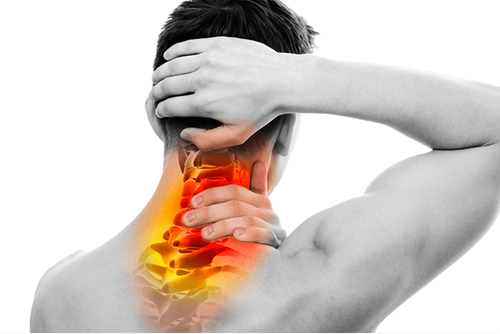
Common contributors to this neck tension include:
- Poor Posture: Hours spent hunched over a computer, looking down at a phone ("tech neck"), or driving can place significant strain on the muscles and joints of the neck.
- Muscle Imbalances: Weak neck muscles combined with tight shoulder and chest muscles can pull the head and neck out of proper alignment.
- Stress: Mental and emotional stress often causes us to unconsciously clench our jaw and tighten our neck and shoulder muscles, leading to tension that can trigger headaches.
- Past Injuries: Old injuries from a car accident, a fall, or a sports-related incident can create lasting stiffness and dysfunction in the neck.
Chiropractic care aims to identify and address these mechanical issues, offering more than just symptom relief. By restoring proper movement and reducing tension, we can help decrease the factors that contribute to your headaches in the first place.
Types of Headaches Chiropractic Care May Help With
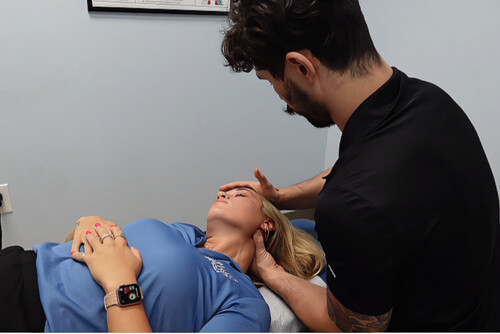
While not all headaches are the same, several common types have a strong connection to musculoskeletal issues in the neck and upper back. Watch Dr. Anthony explain the most common headaches and how they may be managed: Watch the video
Here’s how chiropractic care may help with some of the most frequent types:
Tension-Type Headaches
Tension headaches are the most common form and are often described as a constant, dull ache or a tight band squeezing around the head. They are frequently linked to muscle tension in the neck, shoulders, and scalp. By relieving this muscular tightness and improving the way your spine moves, chiropractic care can help reduce both the frequency and intensity of tension headaches.
Migraines
Migraines are intense headaches that may be accompanied by sensitivity to light or sound, nausea, or vision changes. While chiropractic care is not a cure for migraines, some migraine episodes are triggered by neck tension, poor posture, or restricted movement. For these individuals, addressing musculoskeletal factors through spinal adjustments and muscle work may help decrease how often or how severe migraines occur—especially when used as part of a comprehensive management plan.
Cluster Headaches
Cluster headaches cause sudden, severe pain, usually around one eye or one side of the head. Though cluster headaches are less common, some patients find that managing upper cervical spine tension and maintaining healthy movement patterns may help reduce discomfort associated with these episodes. Chiropractic care does not cure cluster headaches but can offer support strategies for musculoskeletal contributors.
Sinus Headaches
Sinus headaches create pressure and pain around the forehead, cheeks, and nose, often worsened by allergies or sinus infections. While primarily related to the sinuses, tension in the neck and upper back can sometimes add to sinus headache discomfort. Gentle chiropractic techniques to ease neck tension and improve posture may provide some relief for patients experiencing both sinus pressure and musculoskeletal tightness.
Posture-Related Headaches
Do you notice your headaches start in the afternoon after a long day at your desk? These are often linked directly to posture. The sustained forward-head position common with screen time overloads the muscles at the base of the skull. Chiropractic care can help counteract the effects of poor posture and provide strategies to prevent these headaches from starting.
What to Expect from Chiropractic Care
If you've never been to a chiropractor, you might be unsure of what to expect. At Optimal Health, our approach is gentle, personalized, and focused on your comfort and long-term well-being. Your care plan may include:
- Gentle Spinal Adjustments: The primary treatment used by chiropractors is the spinal adjustment. This involves applying a gentle, controlled force to a specific joint in the neck or upper back that is stiff or not moving correctly. The goal is to restore normal motion, which can help relax surrounding muscles and reduce nerve irritation.
- Soft Tissue Techniques: Your chiropractor may use various hands-on methods to release tension in tight muscles, ligaments, and fascia. This can improve flexibility, reduce pain, and complement the effects of the spinal adjustment.
- Posture and Ergonomic Guidance: We don't just want you to feel better in our office; we want you to feel better in your life. We provide practical advice on how to set up your workstation, improve your sitting and standing posture, and make other small changes that can have a big impact on your headaches.
- Movement-Based Exercises: We empower you with specific stretches and strengthening exercises to perform at home. These exercises are designed to improve your posture, build resilience in your neck muscles, and give you the tools to manage your symptoms independently.
Practical Headache Prevention Tips
In addition to professional care, there are many simple habits you can adopt to help prevent headaches from starting.
- Stay Hydrated: Dehydration is a very common headache trigger. Be sure to drink plenty of water throughout the day.
- Manage Stress: Find healthy outlets for stress, such as deep breathing exercises, meditation, walking, or engaging in a hobby you enjoy.
- Be Mindful of Screen Posture: Try to keep your screen at eye level. Avoid cradling your phone between your ear and shoulder. Set a timer to remind yourself to check your posture every 30 minutes.
- Take Regular Movement Breaks: If you sit for long periods, get up every hour to walk around and stretch your neck and shoulders. Simple chin tucks and shoulder rolls can make a big difference.
Find a Lasting Solution in South Jersey
You don't have to accept frequent headaches as a normal part of your life. By addressing the underlying mechanical issues in your neck and spine, you can often find significant, long-lasting relief without relying on medication.
If you are in South Jersey and are tired of the constant cycle of headaches, we are here to help. Our team at Optimal Health is dedicated to finding the root cause of your pain and creating a personalized plan to help you feel and function better. We welcome you to schedule an evaluation at either our Egg Harbor Township location or our new office in Turnersville at 121 Johnson Road, Unit 1, Turnersville, NJ 08012, to see if chiropractic care is right for you.
Ready to take the first step toward headache relief? Contact Optimal Health today to book your consultation.