When your low back feels tight, stretching seems like the obvious solution.
You bend forward.
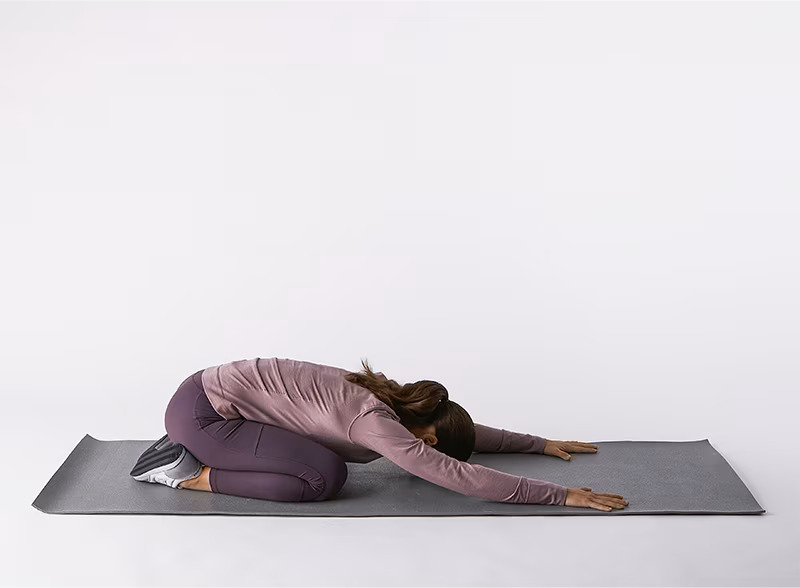
You pull your knees toward your chest.
You twist.
Maybe you use a foam roller.
Sometimes that feels good.
But if you're repeatedly stretching your back without understanding why it feels tight, you may be treating the sensation instead of the bigger movement problem.
Tight doesn't always mean short
A muscle or body region can feel tight for several reasons.
You may have limited mobility.
You may be fatigued.
You may have recently increased your activity.
Your nervous system may be responding protectively to a movement that currently feels uncomfortable.
Or you may simply be spending a lot of time in one position.
The sensation of tightness doesn't tell us which explanation is correct.
Sometimes stretching helps
If you genuinely have a mobility restriction that's relevant to your movement, mobility work can be useful.
That's why stretching shouldn't be dismissed either.
The problem is assuming that every tight sensation requires more stretching.
If you already have adequate motion, adding more range may not address what is actually limiting you.
What if your back feels tight because it is working hard?
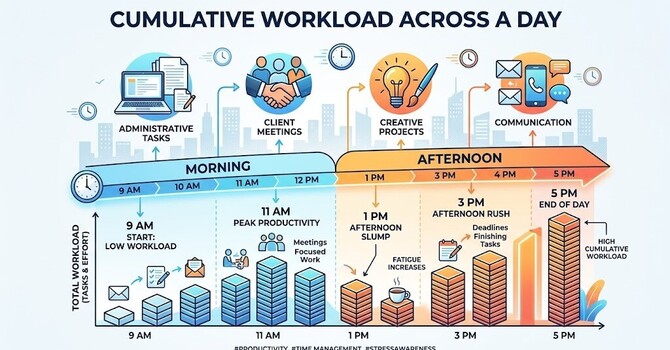
Consider someone who has been sitting all day and then spends the evening doing yard work.
Their low back may feel tight afterward.
That doesn't automatically mean their back became “short.”
It may simply be responding to a sudden increase in physical demand.
In that situation, improving overall conditioning and gradually building tolerance may be more useful than aggressively stretching the area.
What if your back feels tight because you're avoiding movement?
Pain can change how people move.
If something hurts, you may unconsciously brace, stiffen or avoid certain positions.
That can make movement feel restricted.
The answer isn't necessarily to force yourself through the movement.
A better approach may be to gradually restore comfortable movement while building strength and confidence.
What should an evaluation look at?
Rather than asking only, “Where are you tight?” we can ask:
- How much motion do you actually have?
- Which movements reproduce your symptoms?
- How does your hip move?
- How strong and conditioned are you?
- What activities have recently changed?
- What happens when you repeat a movement?
- What do you need your body to do?
Those questions provide much more information than tightness alone.
Stretching is a tool, not a diagnosis
This is the key idea.
If stretching helps you feel better, there's nothing wrong with using it.
But feeling temporarily looser doesn't automatically mean you've solved the reason you're having symptoms.
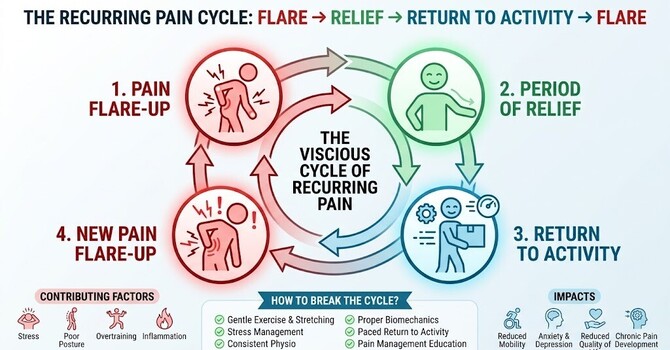
If your back pain keeps returning, you may need to look at strength, endurance, movement habits, activity load or other contributors.
That is where rehabilitation can move beyond simply chasing symptoms.
What if stretching makes your symptoms worse?
Stop and pay attention.
Especially if you experience radiating pain, numbness, tingling or weakness, don't assume that more stretching is the answer.
Those symptoms may require a more specific evaluation.
The goal is usable movement
The objective isn't to make you as flexible as possible.
It's to help you move well enough, control movement well enough and tolerate enough load to do what you want to do.
Sometimes stretching is part of that plan.
Sometimes it isn't.
The difference comes from understanding the person rather than prescribing the same stretch to everyone with back pain.