You turn your head to check a blind spot while driving, look over your shoulder during exercise, or turn toward someone calling your name. One direction feels relatively easy, but the other produces a pinch, pull or sharp discomfort.
Why would turning your head hurt more on one side?
There isn't one universal explanation. The pattern of pain can help narrow the possibilities, but it doesn't identify the cause by itself.
Why can one direction feel different?
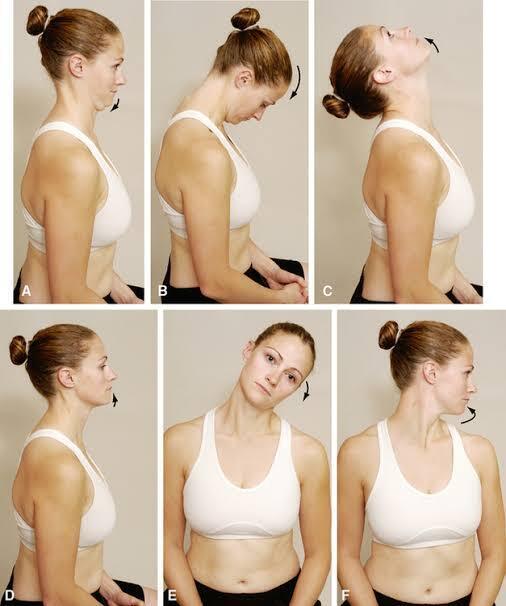
Your neck moves through several directions, including rotation, bending forward and backward, and tilting from side to side. These movements involve multiple joints, muscles and other tissues working together.
Pain or stiffness may make one direction feel more restricted than another. That difference can occur after an awkward movement, during an episode of nonspecific neck pain, or alongside limitations in movement or muscle function.
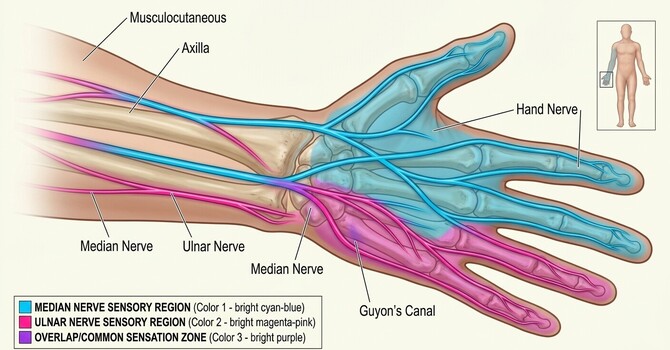
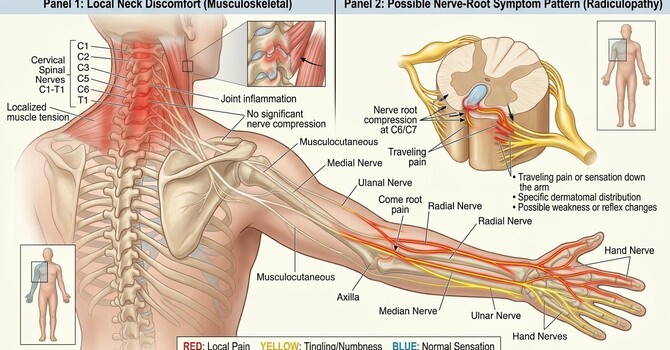
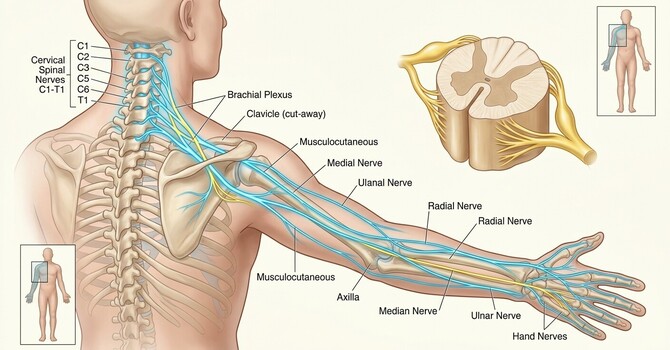
Sometimes the discomfort is mainly local to the neck. In other cases, turning may reproduce pain around the shoulder or symptoms that travel farther down the arm.
Those differences matter because they can point the clinician toward different questions.
Does a painful turn mean something is damaged?
Not necessarily.
Pain is important information, but it doesn't automatically mean that a structure is torn, out of place or being damaged each time you move.
At the same time, new or severe symptoms shouldn't be dismissed. The onset, severity, associated symptoms and your medical history all influence how the problem should be assessed.
What should you pay attention to?
If your neck hurts more on one side, consider:
-
Which direction is limited or painful?
-
Did the symptoms start suddenly, after an injury, or gradually?
-
Does the pain stay in the neck, spread toward the shoulder, or travel into the arm?
-
Is there numbness, tingling or weakness?
-
Does the discomfort ease when you change position or stop the activity?
-
Is the problem improving, staying the same or getting worse?
These details can help a clinician decide which movements and neurological functions need examination.
Should you stretch into the painful direction?
Don't force your neck through sharp pain or repeatedly push into a movement that aggravates your symptoms.
If symptoms are mild and there are no concerning signs, comfortable, gentle movement may be reasonable. But the appropriate approach depends on what is happening. A new injury, marked restriction, worsening pain or neurological symptoms may require assessment before you begin a new exercise routine.
If you develop new or progressive arm or leg weakness, difficulty walking, loss of coordination, or other significant neurological symptoms, seek prompt medical evaluation. Severe symptoms after trauma or sudden neck pain with stroke-like symptoms warrant emergency care.
What happens during an evaluation?
A clinician will ask about how the problem began, what changes it and how it affects your daily activities. The examination may include neck range of motion, strength, shoulder movement and a neurological assessment when indicated.
The aim is to understand whether the limitation appears related to movement sensitivity, muscle function, joint mobility, nerve involvement or another condition that requires medical referral.
Treatment then follows the findings. It may involve guided movement, exercise, progressive strengthening, hands-on care when appropriate, or changes to the activities that currently aggravate the problem.
Get back to turning your head with confidence
If you can't comfortably check your blind spot, turn while playing sports, or look over your shoulder during everyday tasks, an evaluation at Optimal Health can help clarify the problem and identify an appropriate path forward.
You don't need to guess which side to stretch or force the painful direction. Start by understanding what your neck is telling you.