If you’re dealing with back pain, neck stiffness, joint discomfort, or an injury that just won’t go away, one of the first questions people ask is:
“Should I see a chiropractor or a physical therapist?”
It’s a frequent point of confusion for people dealing with pain. Both professions are excellent at treating pain and improving how your body feels and moves, but they often approach it from different, complementary angles. The best choice isn't always about the symptom you feel, but rather the underlying cause of your problem.
This guide will help you understand the roles of each practitioner, how they differ, and why the most effective solution sometimes involves both.
What Does a Chiropractor Treat?
At its core, chiropractic care is focused on the health of your joints and nervous system. A chiropractor’s primary tool is the adjustment—a gentle, specific force applied to a joint to restore proper motion and alignment.
Think of your spine as the central highway for your nervous system. When vertebrae (the bones of your spine) are stiff or not moving correctly, it can interfere with nerve function and cause pain, not just in your back but throughout your body.
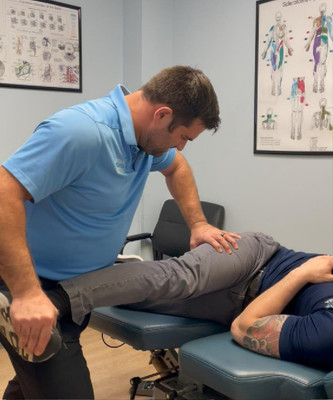
Chiropractic care is particularly effective for:
- Acute back and neck pain: If you've woken up with a "crick" in your neck or feel a sudden "twinge" in your back, an adjustment can often provide immediate relief by restoring joint mobility.
- Stiffness and limited range of motion: If you feel like you can't turn your head fully or your back feels locked up, chiropractic care can help improve that movement.
- Headaches related to neck tension: Many headaches originate from dysfunction in the joints and muscles of the neck.
- General joint pain and restrictions: This includes discomfort in your shoulders, hips, and other joints that feel "stuck."
The main goal is to improve the structure and movement of your joints so your body can function better and heal itself more effectively.
What Does a Physical Therapist Treat?
Physical therapy, on the other hand, is primarily concerned with function, strength, and movement patterns. A physical therapist (PT) is a movement expert who helps you recover from injury, reduce pain, and improve your long-term stability.
While a chiropractor focuses on joint mobility, a PT focuses on the muscles and tissues that support and move those joints. They use therapeutic exercises, manual therapy, and education to help your body move correctly and efficiently.
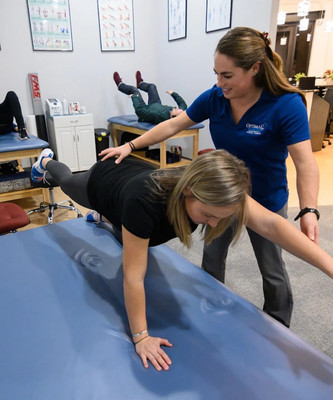
Physical therapy is especially helpful for:
- Muscle strains, tears, or weakness: PTs design programs to rebuild strength and retrain muscles after an injury.
- Post-surgical rehabilitation: After a knee replacement, shoulder surgery, or other procedure, physical therapy is essential for regaining function.
- Sports injuries: Whether it’s runner’s knee or a rotator cuff strain, PTs help athletes return to their sport safely.
- Chronic pain or recurring injuries: If you have an injury that keeps coming back, a PT can identify and correct the underlying movement flaws or muscle imbalances causing it.
- Balance and mobility issues: PTs help improve stability to reduce the risk of falls, especially in older adults.
The goal is to empower you with the tools and strength to move well and prevent future injuries.
Chiropractor vs Physical Therapist: Key Differences
To put it simply, here’s a quick comparison:
|
Feature |
Chiropractic Care |
Physical Therapy |
|---|---|---|
|
Primary Focus |
Joint mobility and alignment; nervous system function. |
Muscle strength, movement patterns, and functional ability. |
|
Common Techniques |
Spinal and joint adjustments, manual therapy. |
Therapeutic exercise, manual therapy, patient education. |
|
Primary Goal |
Restore proper joint motion and reduce nerve irritation. |
Improve strength, stability, and functional movement. |
|
Best For |
Acute pain from joint restriction, stiffness, some headaches. |
Injury rehab, chronic pain, muscle weakness, post-op care. |
One helpful way to think about it: A chiropractor helps "unlock" a stiff joint, while a physical therapist teaches the muscles around it how to control and support that joint for the long haul.
When Do You Need Both? The Power of Integrated Care
Here is a scenario we see all the time: A patient has recurring low back pain. They see a chiropractor, get an adjustment, and feel great for a few days. But soon, the pain creeps back. Why?
The adjustment restored mobility to the stiff joints in their spine, but it didn't address the weak core muscles or poor movement habits that caused the joints to lock up in the first place.
This is where an integrated approach becomes so powerful. True, lasting relief often requires addressing both joint mobility and muscular control.
- Joints need to move freely. (That’s the chiropractic part.)
- Muscles need to properly support and control that movement. (That’s the physical therapy part.)
When you only treat one side of the equation, you’re often left with a temporary fix. Combining both ensures that you not only get out of pain but also build a resilient body that is less prone to future injury.
Some examples where integrated care shines:
- Recurring back pain: An adjustment relieves the immediate pain, while physical therapy strengthens the core to prevent it from coming back.
- Shoulder pain: Chiropractic care can improve mobility in the shoulder and upper back, while physical therapy retrains the rotator cuff muscles to move the arm correctly.
- Athletes: An athlete might need an adjustment to optimize joint function for peak performance, followed by physical therapy to ensure their movement mechanics are efficient and powerful.
What Makes an Integrated Approach Different at Optimal Health
In many clinics, chiropractors and physical therapists work in separate offices, rarely communicating. This leaves the patient stuck in the middle, trying to coordinate their own care.
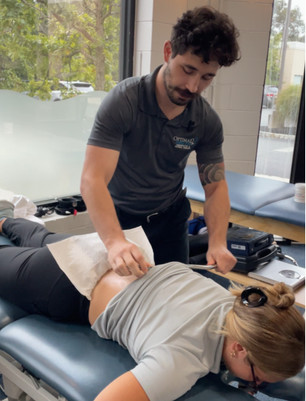
Here in South Jersey, we do things differently. At Optimal Health, our chiropractors and physical therapists work together under one roof. They are part of the same team, collaborating on your care plan from day one.
This means you get:
- Individualized Care: Your treatment plan isn’t based on a one-size-fits-all protocol. We start with a comprehensive movement assessment to identify the true source of your pain.
- Seamless Collaboration: Our PTs and chiropractors talk to each other. If your PT notices a joint restriction, they can walk down the hall and consult with a chiropractor. If your chiropractor sees a stability issue, they can integrate PT exercises into your plan.
- Long-Term Results: Our goal isn’t just to provide a quick fix. We want to give you the mobility, strength, and knowledge to stay healthy for years to come. By addressing both the joints and the muscles, we help you build a foundation for lasting wellness at our Egg Harbor Township and Washington Township locations.
How to Know Where to Start
If you've read this far, you might still be wondering, "So, which one do I book first?"
The good news is, you don’t have to figure it out alone. The most important step you can take is scheduling an initial evaluation. During this first visit, our team will perform a thorough assessment to understand your history, symptoms, and movement patterns. Based on that assessment, we will recommend the right starting point for you—whether it's chiropractic care, physical therapy, or a combination of both.
Our promise is to get you the right care at the right time.
If you’re dealing with back pain, neck pain, or joint pain and aren't sure where to turn, we’re here to help guide you. Schedule an evaluation today, and let's work together to get you moving and feeling your best.