Your fingers start tingling while you're driving. You wake up with a numb hand. Or you notice an unusual sensation while typing, gripping weights or holding your phone.
Hand numbness and tingling can be frustrating because the cause isn't always obvious.
These sensations can provide useful clues, particularly when you pay attention to which fingers are involved, how long symptoms last and what other changes occur.
What do numbness and tingling mean?
Tingling may feel like pins and needles, buzzing or an electrical sensation. Numbness often means reduced or altered sensation.
Both can occur when nerves are irritated, compressed or affected by another medical condition. However, these symptoms alone don't identify the exact nerve or explain why it is affected.
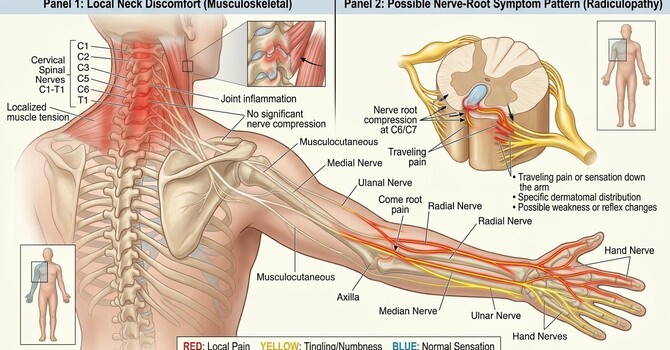
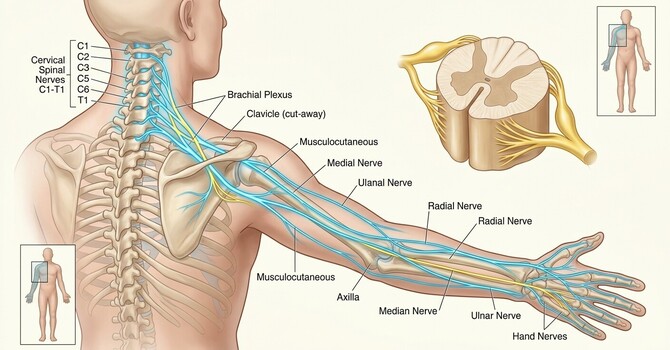
Nerve-related symptoms may originate near the neck or farther down the arm, including around the elbow or wrist. Other medical conditions can also affect sensation.
Which fingers are affected?
The pattern can help guide an examination.
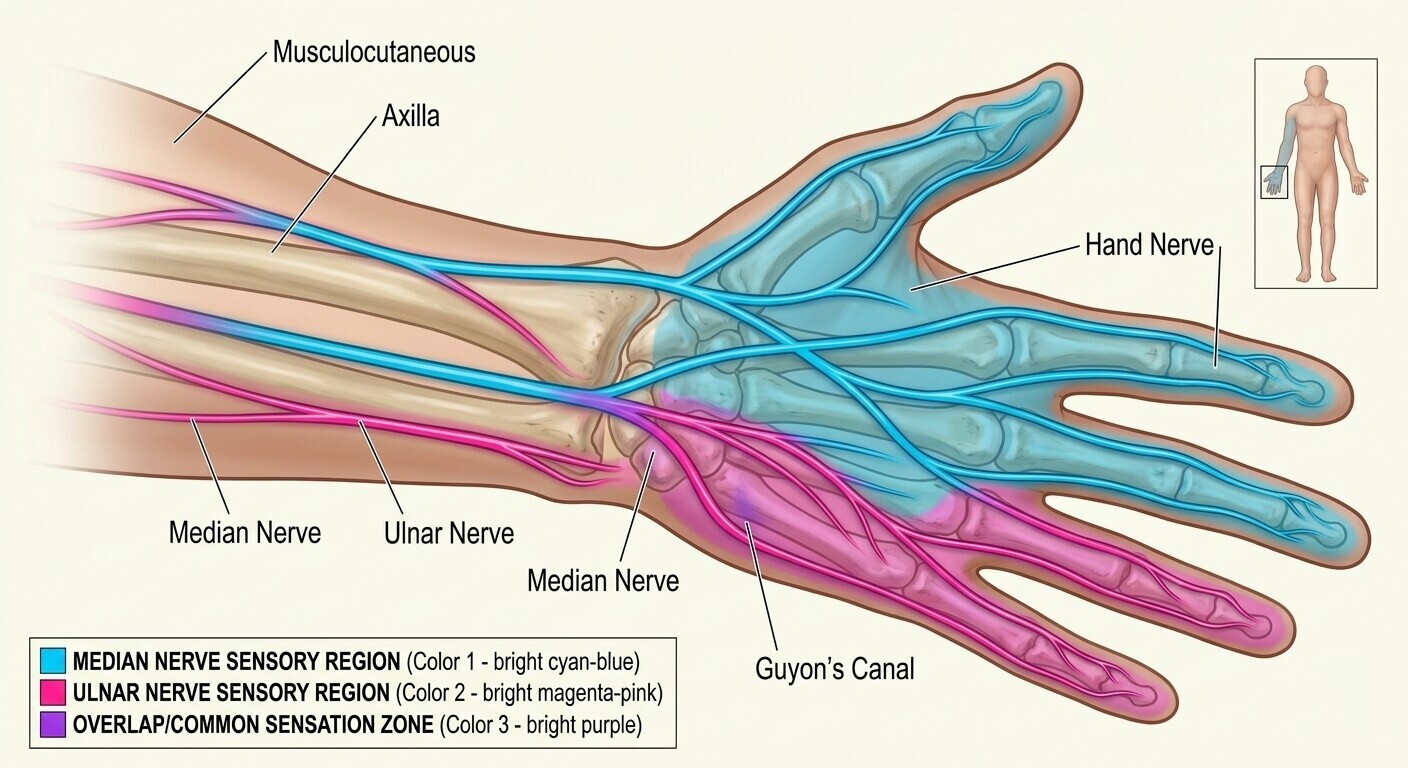
For example, symptoms involving the thumb, index and middle fingers may raise the question of median nerve involvement, including possible carpal tunnel syndrome. Symptoms affecting the little finger and part of the ring finger may suggest ulnar nerve involvement.
Symptoms extending through the arm or associated with neck pain may prompt a clinician to investigate the cervical nerve roots as well.
These are clues, not a way to diagnose yourself. Nerve supply overlaps, symptom patterns vary, and more than one condition can be present.
Why does timing matter?
When symptoms occur can be just as useful as where they occur.
Do you wake up with a numb hand? Does it happen when your elbow stays bent for a long time? Does gripping, typing or holding a tool bring it on? Does changing position help?
A clinician may also ask whether you have dropped objects, lost grip strength, struggled with fine motor tasks or noticed symptoms spreading.
Persistent numbness, progressive weakness or loss of hand coordination deserves particular attention. The aim is to identify the source and assess whether nerve function is changing.
What happens during an evaluation?
Depending on the symptom pattern, the assessment may include neck movement, shoulder and arm function, sensation, muscle strength and reflexes. The clinician may examine areas where nerves travel through the arm, including the elbow and wrist.
Selected nerve provocation tests may be useful, but they are not interpreted in isolation. If symptoms or examination findings suggest a condition that requires further medical investigation, referral may be appropriate.
Should you stretch or massage the hand?
Not automatically.
If symptoms are caused by nerve irritation, repeatedly stretching the hand or arm may not address the relevant problem. Aggressive stretching can also aggravate symptoms in some cases.
The right approach depends on the cause. It may involve modifying aggravating positions, changing activity demands, targeted exercises or medical evaluation. New or worsening weakness should not be managed simply by adding more stretches.
Seek urgent medical attention for sudden numbness or weakness affecting one side of the body, particularly with facial drooping, speech difficulty, severe dizziness or other stroke-like symptoms. New progressive weakness, difficulty walking or loss of coordination also warrants prompt assessment.
Don't ignore a changing pattern
Occasional brief tingling can have relatively simple explanations, such as temporary pressure on a nerve during sleep. But persistent, recurrent or worsening symptoms deserve a closer look, especially when they affect hand function.
At Optimal Health, an evaluation can help determine whether the neck, a peripheral nerve or another factor may be contributing and whether conservative care is appropriate.
The aim is to help you understand the pattern, protect function and make an informed decision about what to do next.