You roll over to turn off your alarm, and a familiar, unwelcome stiffness greets you. Turning your head to check your blind spot while driving feels like a major event, and by 3 p.m., the ache between your shoulder blades is a constant companion. If this sounds like a typical day for you, you’re not alone. Here in South Jersey, many adults are navigating the same frustrating cycle of upper back and neck pain, wondering where it’s coming from and why it won’t go away.

That nagging pain can be a real puzzle. Is it from hunching over your laptop? A result of a stressful week? Or did you just sleep on it wrong? The truth is, it’s often a combination of factors. Let’s unravel the three most common culprits—posture, stress, and sleep—to help you understand what your body is trying to tell you.
1. Posture & Daily Habits: The "Tech Neck" Epidemic
Think about how much time you spend looking down. Whether it’s at a computer screen, a smartphone, or even a steering wheel, our modern lives often pull our heads forward and our shoulders inward. This common habit has a significant impact on our bodies.
Your head weighs about 10 to 12 pounds. When it’s balanced directly over your spine, your neck muscles can handle the load without much effort. However, for every inch you tilt your head forward, the weight on your cervical spine effectively doubles. This is often called "forward head posture" or "tech neck."
This constant strain leads to predictable problems:
- Rounded Shoulders: As your head drifts forward, your shoulders naturally follow, rounding inward and stretching the muscles in your upper back. Over time, the muscles in the front of your chest get tight, while the ones in your back become overstretched and weak.
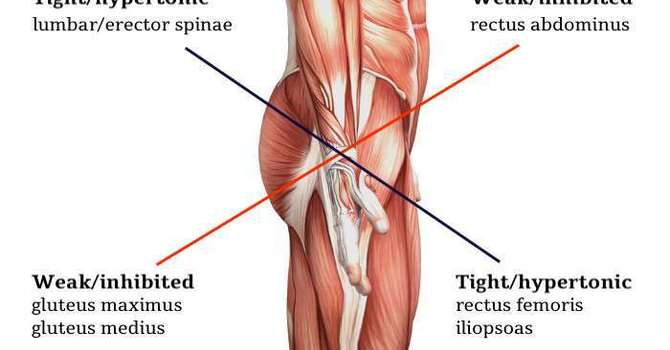
- Muscle Imbalances: This forward-hunch creates a tug-of-war. The muscles at the back of your neck and upper shoulders are working overtime to hold your head up, leading to fatigue, knots, and pain. Meanwhile, the supporting muscles in your core and mid-back can become disengaged.
Simple Posture-Awareness Tip: Try the "wall check." Stand with your back against a wall, with your feet a few inches away. Your head, shoulder blades, and tailbone should all comfortably touch the wall. If your head is far from the wall, it’s a sign that forward head posture has become your default. Gently tuck your chin and press your head back to touch the wall to feel what better alignment is like.
2. Stress & Muscle Tension: Your Body’s Built-in Alarm System
Have you ever noticed that your shoulders creep up toward your ears when you’re stressed? That’s not just a feeling; it’s a physical response. When your brain perceives a threat—whether it’s a looming deadline, a tough conversation, or financial worries—it triggers a "fight or flight" response.
This response causes your muscles to tense up, preparing you for action. This is called muscle guarding. The muscles in your neck, shoulders, and jaw are particularly susceptible to this. In short bursts, this isn’t a problem. But when stress is chronic, as it is for many of us, these muscles never get the signal to relax.
This constant, low-grade stress-related muscle tension can lead to:
- Painful knots (trigger points) in the upper trapezius muscles (the area between your neck and shoulders).
- Tension headaches that feel like a tight band around your head, often originating from the base of your skull.
- A feeling of being "stuck" or having a limited range of motion in your neck.
The connection between your mind and your body is powerful. Persistent stress can turn a minor physical issue into a chronic pain problem.
3. Sleep Position & Support: How You Recharge (or Don't)
You spend roughly a third of your life sleeping, so your sleep setup plays a huge role in your spinal health. If you consistently wake up with more pain than when you went to bed, your pillow or sleeping position is likely a contributing factor.

- Poor Pillow Support: The goal of a pillow is to keep your head and neck in a neutral position, aligned with the rest of your spine. If your pillow is too high or too flat, it forces your neck into an awkward angle for hours. For side sleepers, the pillow should fill the space between your ear and the outside of your shoulder. For back sleepers, a thinner pillow is usually better to prevent your head from being pushed too far forward.
- Stomach Sleeping: This is the most stressful position for your neck. To breathe, you have to turn your head almost completely to one side, holding it there all night. This can strain the joints and muscles, often leading to morning stiffness and pain.
- Why Pain Feels Worse in the Morning: During the day, movement keeps your joints lubricated. At night, you are still for long periods, which can allow inflammation to settle in. If your sleeping posture is poor, you are essentially holding a stressful position for hours, which explains why that neck pain or upper back pain is most noticeable when you first wake up.
Why Does the Pain Keep Coming Back?
Many people try to solve their neck and upper back pain by stretching. While stretching can provide temporary relief, it often doesn't address the root cause. If your pain is due to weak and overstretched muscles in your back from poor posture, stretching them further might feel good for a moment but won't solve the underlying imbalance. The pain keeps returning because the fundamental issue—be it posture, joint restriction, or muscle weakness—hasn't been corrected.
How Professional Care Can Help
When home remedies aren't providing lasting relief, it’s time to seek a professional evaluation. At Optimal Health, our team works to identify the true source of your pain and create a plan to resolve it.
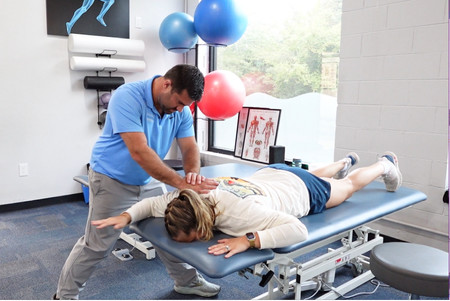
- Physical Therapy: A physical therapist is an expert in movement and mechanics. They can pinpoint which muscles are tight, which are weak, and how your daily habits contribute to your pain. Physical therapy for neck pain focuses on hands-on techniques to release tension, specific exercises to strengthen supporting muscles, and education to correct your posture for good.
- Chiropractic Care: A chiropractor focuses on the health of your spine and nervous system. If joints in your neck or upper back are "stuck" and not moving properly, it can lead to stiffness and nerve irritation. Gentle chiropractic adjustments can restore proper motion to these joints, providing relief and improving overall function.
- Dry Needling: For stubborn muscle knots and deep-seated tension, dry needling can be an effective tool. A trained physical therapist inserts a very thin needle into the trigger point, causing the muscle to release. This can rapidly decrease pain and improve your range of motion.
Our integrated approach at Optimal Health means you get the right care for your specific needs. With convenient clinics in Egg Harbor Township and Washington Township, our team is ready to help you find a path to lasting relief.
It’s Time to Listen to Your Body
Persistent upper back and neck pain is more than just an annoyance; it's a signal from your body that something is out of balance. Trying to ignore it or push through it rarely works.
If you’re tired of the constant ache and are ready to understand the "why" behind your pain, we encourage you to seek a professional evaluation.
Understanding the cause of your pain is the first and most important step toward feeling better. You don’t have to accept pain as a normal part of your life.