.jpg)
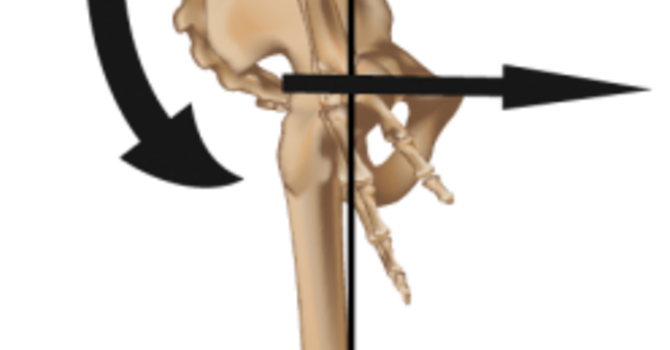
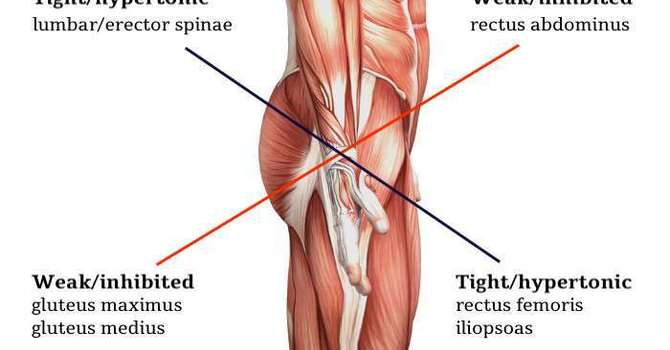
Pelvic floor dysfunction can sneak up on you, often through symptoms you might not immediately link to your core muscles. Maybe you’ve leaked urine when sneezing or laughing, feel a heaviness in your pelvis, or deal with persistent lower back pain. Discomfort during intercourse or frequent bathroom trips—especially after pregnancy or surgery—are also common. These issues are more than annoyances; they’re early warning signs that your pelvic floor may need attention. Recognizing these symptoms early opens the door to lasting pelvic pain relief and better overall function. Let’s explore the most common signs you may need pelvic floor therapy—and how professional support can restore your confidence and comfort.
Early recognition of these symptoms can lead to lasting pelvic pain relief and improved function. In the following sections, we’ll outline the clearest warning signs that you may need pelvic floor therapy—and how working with a professional can help restore your comfort and confidence.
What Is the Pelvic Floor & Why Does It Matter?
The pelvic floor is a group of muscles forming a supportive hammock at the base of the pelvis, stabilizing your bladder, bowel, and reproductive organs. It’s crucial for bladder and bowel control, sexual health, and spinal stability across your lifespan—not just after pregnancy. Pelvic floor health matters for everyone, regardless of gender or age.
What Are the Signs You Need Pelvic Floor Therapy?
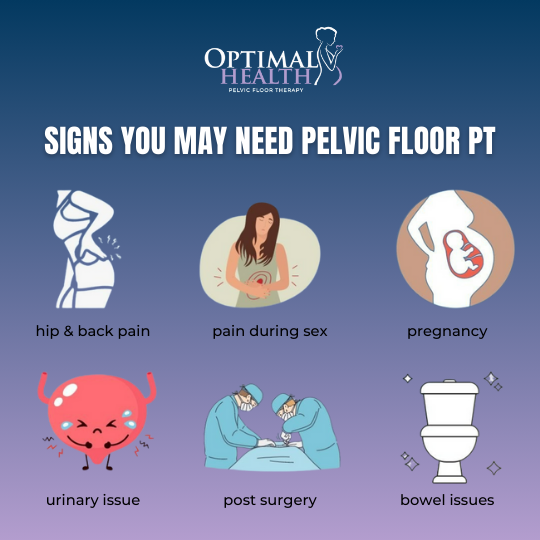
Some symptoms are obvious, but many are subtle and often mistaken as normal aging or effects of an active lifestyle. If you notice any of the following, it’s important to pay attention:
- Urinary leakage with exertion, coughing, laughing, or exercise
- A heavy, dragging, or bulging feeling in the pelvic area
- Persistent pelvic, abdominal, lower back, or hip pain with no clear cause
- Painful intercourse or trouble with sexual function
- Constipation or regular straining to have a bowel movement
- Increased frequency or urgency with urination
- Trouble starting or fully emptying your bladder
- Changes in core strength following pregnancy, surgery, or injury
If these symptoms sound familiar, your pelvic floor muscles may be weak, too tight, or not coordinating properly. Noticing these signs is the crucial first step toward better core stability, comfort, and well-being.
What Causes Pelvic Floor Dysfunction?
Pelvic floor dysfunction can occur when muscles are:
- Weak: Too loose to support organs, often resulting in leakage or prolapse.
- Tight: Chronically tense or in spasm, causing pain, urgency, or constipation.
- Uncoordinated: Strong, but not working at the right times, leading to difficulty with bladder or bowel control.
It's important to understand these muscle patterns—doing Kegels can actually make symptoms worse if your pelvic floor muscles are already too tense.
Who Should Consider Pelvic Floor Therapy?
Pelvic floor therapy can benefit a wide range of people, including:
- New Moms / Postpartum: Childbirth often strains or stretches these muscles. If you’re recovering from delivery and facing leaks, heaviness, or core weakness, therapy speeds up postpartum recovery.
- Athletes: Runners, lifters, and high-impact athletes can experience leaks, instability, or hip pain due to pelvic floor overload. Therapy helps build resilience and prevent injuries.
- Men with Pelvic Discomfort: Issues like pelvic pain, post-surgical changes, or urinary dysfunction can be addressed through therapy.
- Anyone with Chronic Pain: Individuals with stubborn back, hip, or tailbone pain that hasn’t improved may have underlying pelvic floor dysfunction.
- New Moms / Postpartum: Childbirth stretches or strains these muscles. If you’re recovering from delivery and coping with leaks, heaviness, or core weakness, therapy can speed your postpartum recovery.
- Athletes: Runners, lifters, and high-impact athletes notice leaks, instability, or hip pain from pressure and overload. Therapy supports resilience and injury prevention.
- Men with Pelvic Discomfort: Men experience pelvic pain, post-surgical changes, or urinary dysfunction, and therapy can address these issues too.
- Anyone with Chronic Pain: If you’ve tried everything for back, hip, or tailbone pain with no relief, the pelvic floor may be a hidden culprit.
How Does Pelvic Floor Therapy Work?
Pelvic floor physical therapy is more than just Kegels. It’s a holistic, customized plan based on your unique needs that may include:
Manual Therapy
Gentle hands-on techniques help release tightness in the pelvic muscles, abdomen, and thighs. This approach boosts blood flow, eases pain, and restores healthy muscle function.
Biofeedback & Guided Exercises
Biofeedback provides instant feedback so you can effectively activate or relax your pelvic floor muscles. With this guidance, you'll learn to control the right movements at the right times, supporting proper muscle coordination and function.
Breathing & Posture Retraining
Your diaphragm and pelvic floor work as a team—when your breathing is shallow, your pelvic floor tends to stay tense. Learning to breathe deeply and maintain good posture helps your pelvic floor muscles activate and relax naturally, supporting healthy movement.
Home Exercise Programs
You’ll receive pelvic floor exercises tailored to your needs—focusing on relaxation or strengthening—to support your progress between sessions and enhance results.
The Holistic Advantage: PT Meets Chiropractic Care
At Optimal Health, we take a holistic approach—addressing your entire body, not just the pelvic floor. When your pelvis is out of alignment or your spine lacks mobility, pelvic floor muscles often can’t function properly. That’s why we combine pelvic floor therapy with chiropractic care for enhanced results and lasting pain relief. This integrated strategy restores pelvic alignment, optimizes muscle support, and helps you move with confidence.
At-Home Tips if You Notice Pelvic Floor Symptoms
While professional evaluation is best, these simple habits can provide support:
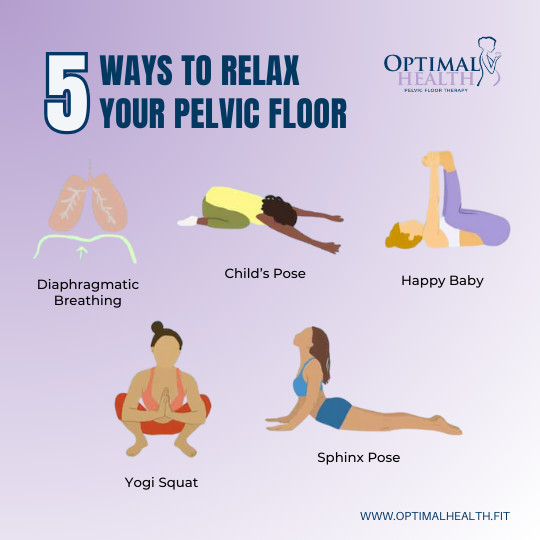
- Breathe Deeply: Use belly breathing to relax the pelvic floor.
- Don’t “Just in Case” Pee: Only go when necessary to avoid training bad habits.
- Prevent Constipation: Drink water, eat fiber, and avoid straining.
- Check Your Posture: Avoid slouching or tucking your tailbone.
- Try Gentle Stretches: “Happy Baby” pose or gentle squats can encourage pelvic relaxation.
When to Seek Professional Help
Don’t ignore symptoms. Seek pelvic floor therapy if you:
- Leak urine—even small amounts—during daily activities
- Have pain during intercourse or with pelvic exams
- Feel heaviness, bulging, or dragging sensations
- Experience chronic back, hip, or pelvic pain
- Find it hard to regain control after surgery, pregnancy, or injury
Early attention makes recovery easier and stops symptoms from getting worse.
Take the First Step Toward Relief
Pelvic floor problems are common, but not inevitable. Recognizing early symptoms and seeking the right therapy can be transformative—helping you regain comfort, confidence, and a better quality of life.
Ready to move forward? Schedule a consultation with Optimal Health Chiropractic & Physical Therapy in Egg Harbor Township Clinic and let our team help you find answers and create a clear path to relief.