Why Winter Can Be a Pain in the Back (Literally)
Do you ever wake up on a cold morning and feel it deep in your bones? Maybe your knees feel stiffer, your back doesn’t quite want to move the way it did yesterday, or your neck is more stubborn than usual. If you live in South Jersey, you know just how biting and persistent the cold can be during the winter months. Many people joke about "feeling the weather in their bones," but for those dealing with joint pain or old injuries, it’s a real and uncomfortable experience—especially as winter settles in across South Jersey. At Optimal Health, it’s one of the most common questions we hear: Is the link between cold weather and joint pain a myth, or is there actually science behind it?
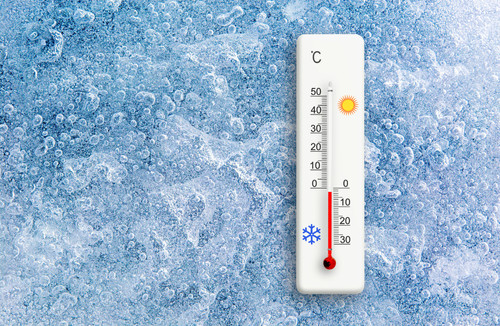
The short answer: cold weather doesn’t create joint damage, but it does influence how your muscles, joints, and spine feel and function. Let’s break down the facts, debunk the myths, and explore practical steps to keep you moving comfortably all winter long.
Why Cold Weather Triggers Back and Joint Pain
Cold-related discomfort isn’t just in your head — it’s rooted in how your body responds to lower temperatures.
Muscle Tightening
When exposed to cold, your muscles naturally tighten to conserve heat. While this response is protective, prolonged muscle tension can lead to stiffness, fatigue, and even spasms — especially in the neck, shoulders, and lower back.
Changes in Air Pressure
Winter weather often brings shifts in barometric pressure. These changes can affect the soft tissues around joints, sometimes increasing pressure within the joint space. For people with arthritis, prior injuries, or chronic back issues, this can intensify discomfort.
Reduced Circulation
Cold temperatures cause blood vessels to narrow, redirecting blood toward vital organs. As circulation decreases to muscles and joints, tissues receive less oxygen and nutrients, making them feel stiff, less flexible, and more vulnerable to strain.
The Winter Movement Trap
Winter creates a unique challenge for spinal health. Many people move less during colder months, spending more time sitting indoors. Then, when physical activity does happen, it’s often sudden and demanding — think snow shoveling, lifting heavy coats or gear, or jumping into winter sports.
This combination of reduced daily movement and sudden exertion increases injury risk. Muscles lose conditioning during inactivity, and cold, tight tissues are less prepared to handle physical stress.

Common Winter Spine and Joint Issues
Cold weather can contribute to several recurring musculoskeletal problems, including:
-
Lower Back Strain
Often caused by snow shoveling or lifting heavy objects with cold, tight muscles. Twisting and bending motions increase the risk when the body isn’t warmed up. -
Neck and Shoulder Tension
Hunching against the cold or shrugging the shoulders for warmth places constant strain on upper back and neck muscles, sometimes leading to tension headaches. -
Joint Stiffness
Cold temperatures combined with less movement can reduce joint lubrication, making everyday movements feel harder and more uncomfortable. -
Sciatic Nerve Flare-Ups
Cold-induced muscle tension and reduced circulation can increase irritation around the lower spine, worsening sciatic pain, tingling, or numbness.
How to Protect Your Spine During Winter
You don’t have to accept winter pain as inevitable. A few proactive habits can make a big difference:
-
Keep Your Core Warm
Dress in layers that protect your lower back and midsection. Warm muscles move more efficiently and are less likely to strain. -
Warm Up Before Physical Activity
Before shoveling snow or heading outside, spend 5–10 minutes warming up indoors. Gentle movements like arm swings, torso rotations, and light stretching help prepare your body. -
Stay Active Indoors
Maintaining regular exercise during winter is essential. Strengthening your core and keeping your spine flexible improves resilience and reduces injury risk. -
Use Safe Shoveling Techniques
Bend at the knees, keep loads close to your body, avoid twisting, and take breaks. When possible, push snow instead of lifting it. -
Stay Hydrated
Spinal discs rely on hydration to function properly. Even in cold weather, drinking enough water helps maintain disc health and flexibility.
How Chiropractic Care Supports Winter Wellness
Chiropractic care during winter isn’t just about pain relief — it’s about prevention and achieving optimal health. Proper spinal alignment supports efficient movement, reduces muscle compensation, and helps your nervous system function optimally. This becomes especially important when cold weather places extra stress on your body.
At Optimal Health Chiropractic and Physical Therapy, with 2 convenient offices in South Jersey, we focus on helping patients maintain flexibility, reduce discomfort, and stay active throughout the winter. Our team of chiropractors and physical therapists can also address winter-related muscle tension through soft tissue techniques and personalized care plans to help you feel your best all season long.
When to Seek Professional Care
Don’t wait until pain becomes severe. Signs that your body may need attention include:
- Persistent morning stiffness
- Reduced range of motion
- Ongoing muscle tightness
- Sharp pain during winter activities
Early care helps prevent minor issues from becoming long-term problems. If you’re in South Jersey, our team at Optimal Health Chiropractic and Physical Therapy is here to help you stay ahead of winter’s challenges and support your journey to optimal health.
Staying Comfortable All Winter Long
Cold weather doesn’t have to mean months of stiffness or limited mobility. By understanding how winter affects your spine, staying active, and taking preventive steps, you can move through the season with greater ease.
Your spine supports everything you do — from daily routines to winter activities. Taking care of it now helps ensure you stay comfortable, active, and confident all season long.
Frequently Asked Questions
Does cold weather actually worsen back pain?
Yes. Cold temperatures can increase muscle tension, reduce circulation, and heighten joint sensitivity — all of which contribute to pain and stiffness.
How long should I warm up before shoveling snow?
Aim for at least 5–10 minutes of light movement indoors to prepare your muscles and joints.
Should I exercise less during winter?
No. Staying active is one of the best ways to prevent winter-related injuries. Just be mindful of warming up and dressing appropriately.
When should I see a chiropractor?
If stiffness, discomfort, or limited movement becomes noticeable or persistent, early care can help prevent more serious issues.
Take Charge of Your Winter Spine Health
Winter doesn’t have to control how you feel. If colder temperatures are affecting your comfort or mobility, professional care can help you stay active and supported throughout the season.
At Optimal Health Chiropractic and Physical Therapy, with 2 offices in South Jersey, we’re dedicated to helping you achieve optimal health and move with confidence now and well into the months ahead.