You were feeling good, so you added another mile or two to your usual run. Maybe you started preparing for a race, added an extra training day, or returned to the mileage you used to run.
Then your knee began to hurt.
The increase may be relevant, but the important question is how the new workload relates to your current capacity and the type of knee problem you're experiencing.
Your training load includes more than mileage
Weekly distance is an easy number to track, but it isn't the only demand that matters.
Consider your running speed, hills, intervals, terrain, frequency, and how much recovery time you have between sessions. A runner can increase stress on the knees without making a dramatic change to total mileage simply by adding faster workouts or more hills.
Changes outside running may matter too. A demanding workweek, less sleep, or a return to strength training can affect how you recover from your combined activities.
None of these factors automatically causes an injury. They help explain the context in which symptoms appear.
Why might the knee respond to a mileage increase?
Your tissues adapt to repeated loading, but the amount of activity you can comfortably handle isn't fixed. If demands increase faster than your current capacity, symptoms may develop.
Pain around the kneecap, for example, can become more noticeable with running, stairs, and squats. Other knee conditions can also become symptomatic after a training change, so the mileage increase should not be treated as a diagnosis.
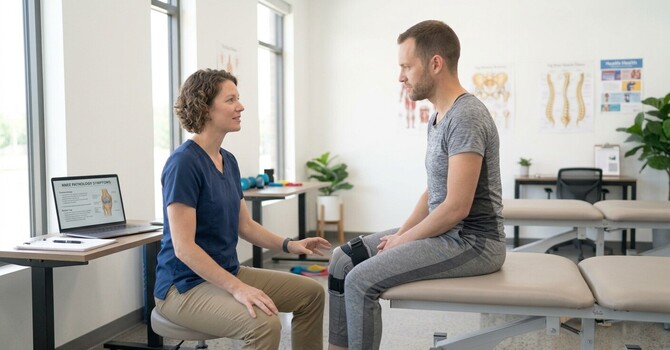
The location of pain, swelling, injury history, and how symptoms behave during everyday activities all matter.
What should you change first?
If the new mileage clearly coincides with increasing pain, consider stepping back from the most aggravating parts of training. That might mean reducing distance, temporarily removing speed work or hills, or allowing more recovery between runs.
There isn't a universal percentage by which every runner should increase mileage. Your starting level, recent training history, symptoms, and recovery all influence what's reasonable.
Don't keep repeating a painful workout simply to test whether the knee has improved. And don't assume you must stop all movement. The goal is to find an appropriate level of activity while you determine what is driving the symptoms.
Seek medical evaluation for significant swelling, severe or worsening pain, locking, instability, inability to bear weight, or symptoms following a substantial injury.
Build a plan around your running goals
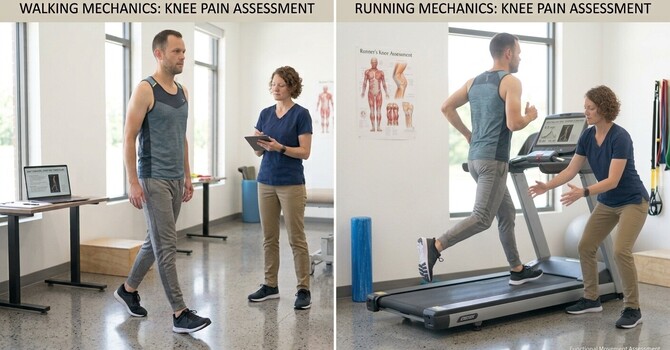
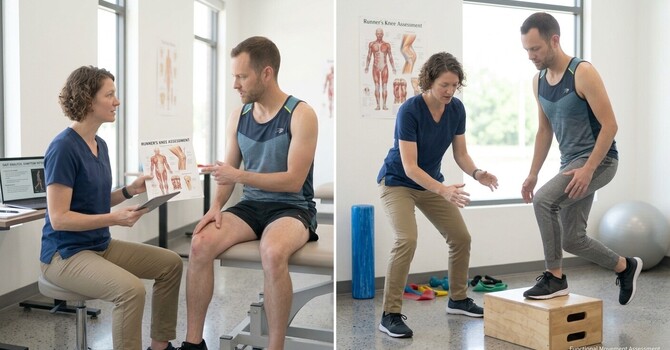
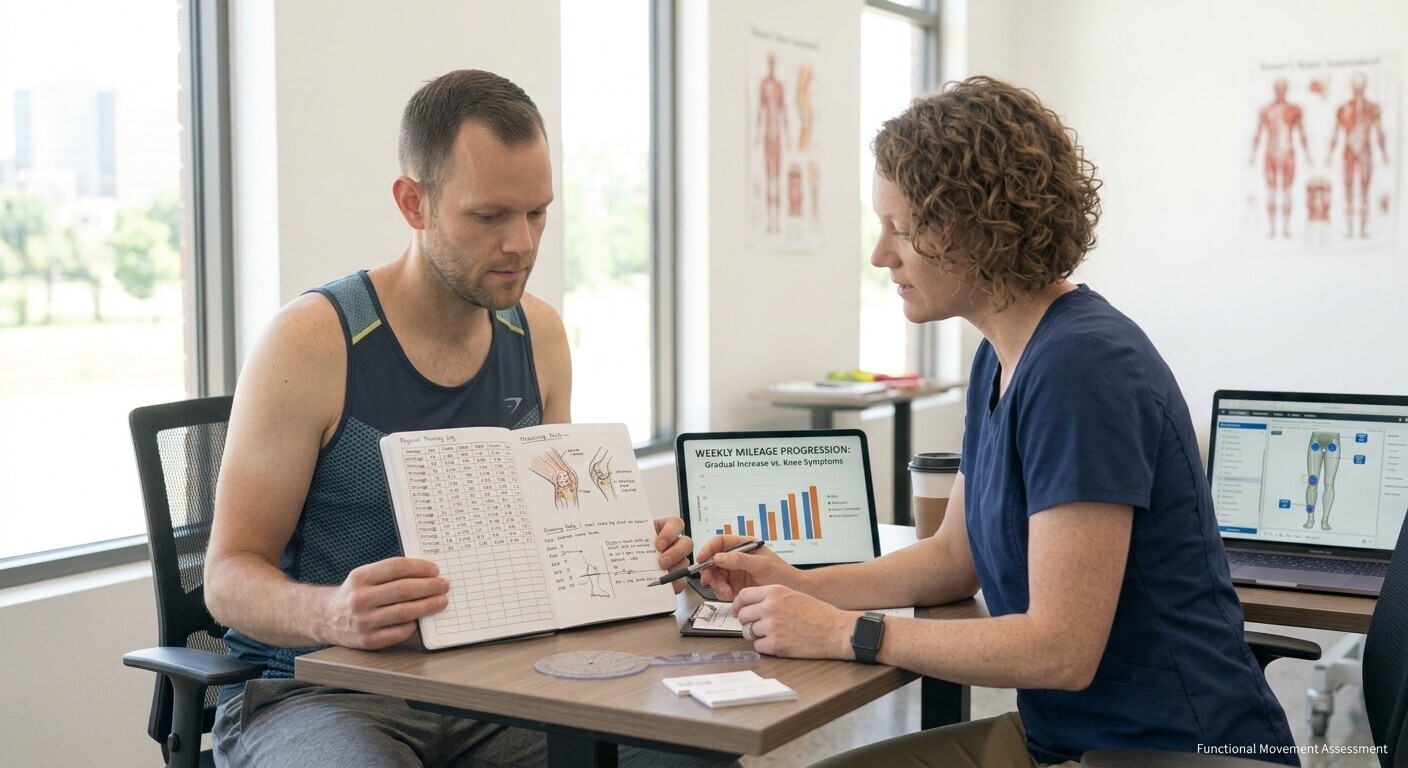
A clinician may review your training log, examine knee motion and strength, assess relevant hip and ankle function, and observe running mechanics when indicated.
That information can help determine whether training adjustments are sufficient or whether a more specific knee problem needs attention. Rehabilitation may include strengthening and a gradual return to running demands, depending on the findings.
At Optimal Health, the focus is on connecting the symptoms with your training and functional capacity, then reassessing how your knee responds as the plan progresses.
CTA: If your knee started hurting after increasing mileage, schedule an evaluation to discuss your training changes, understand the symptoms, and identify a sensible path back toward your running goals.