It happens every year when the temperature drops in South Jersey. You wake up on a frosty morning, swing your legs out of bed, and feel a sudden resistance in your knees. Or perhaps you notice that your lower back feels tighter than usual after a short walk in the cold. You aren’t imagining it—winter really does change how our bodies feel and move.
For many of our patients at Optimal Health, the winter months bring a noticeable increase in aches, stiffness, and general discomfort. Whether you are dealing with an old injury that seems to "flare up" when the barometer drops, or you just feel generally tighter, the cold weather plays a significant role in your musculoskeletal health.
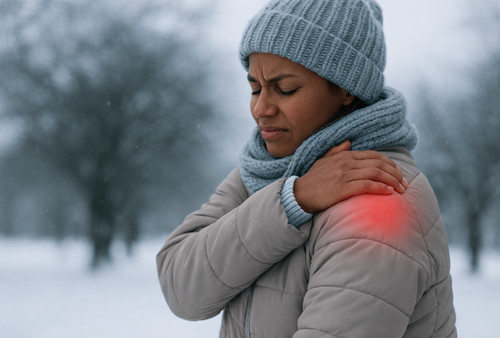
But why does this happen? Is it just the temperature, or is there more going on? And more importantly, what can you actually do about it?
Understanding the "why" behind winter stiffness is the first step toward feeling better. Let’s explore what happens to your body when the mercury falls and how you can stay comfortable and active all season long.
Why Cold Weather Makes You Feel Stiff
There isn't one single reason why cold weather leads to stiffness. Instead, it is a combination of physiological reactions and behavioral changes that create a "perfect storm" for tightness.
Circulation and Blood Flow
Your body is incredibly smart at prioritization. When you are exposed to cold temperatures, your body's main goal is to keep your vital organs warm. To do this, it constricts blood vessels in your extremities—your arms, legs, and skin—to redirect more blood to your core.
This process, called vasoconstriction, is great for survival but not so great for comfort. With slightly less blood flow reaching your muscles and joints, they can become colder and less pliable. Think of a rubber band: when it’s warm, it stretches easily. When it’s cold, it becomes stiff and brittle. Your soft tissues (muscles, tendons, and ligaments) react similarly.
Muscle Guarding and Shivering
Have you ever noticed that you unconsciously hike your shoulders up toward your ears when you step outside into the cold? This is a form of "muscle guarding." When we are cold, we naturally tense our muscles to generate heat and brace against the chill.
If you spend even ten minutes outside walking the dog with your shoulders tensed and your jaw clenched, you are creating unnecessary strain. Over time, this habitual tensing leads to muscle fatigue and that feeling of deep, aching stiffness.
Joint Fluid Changes
Your joints are lubricated by a substance called synovial fluid. This fluid acts like oil in an engine, allowing your bones to glide smoothly against one another. Some research suggests that colder temperatures can cause this fluid to thicken slightly, making joints feel "creaky" or harder to move, especially first thing in the morning or after sitting for a while.
The Winter "Hibernation" Effect
It’s not just biology; it’s behavior. In the summer, we tend to be more active—walking, gardening, and moving frequently. When winter hits South Jersey, it’s tempting to curl up on the couch and stay there.
This reduction in activity is actually a major contributor to stiffness. Our bodies are designed to move. When we become sedentary, our joints get less lubrication, and our muscles lose some of their dynamic flexibility. The less we move, the stiffer we feel, creating a cycle that can be hard to break.
Stiffness vs. Injury: How to Tell the Difference
One common concern we hear is, "Did I hurt myself, or is this just the weather?"
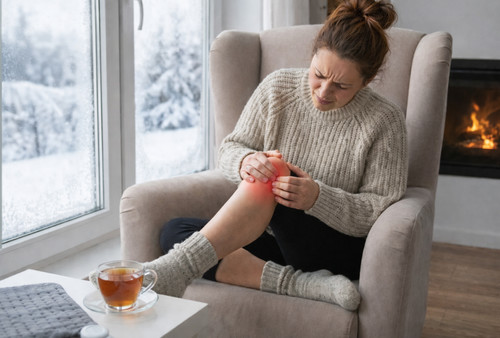
It is important to distinguish between general winter stiffness and an actual injury.
- General Stiffness: Usually feels like a dull ache or tightness that affects multiple areas (like both knees or the entire lower back). It often improves once you get moving and warm up.
- Injury Pain: Tend to be sharp, shooting, or located in a very specific spot. It may get worse with movement rather than better, and it often persists regardless of the temperature.
If you notice that a little bit of gentle movement helps the feeling subside, it’s likely just stiffness. If the pain is sharp or prevents you from moving normally, it might be time to get it checked out.
Why Movement Is the Best Medicine
When you feel stiff, your instinct might be to rest and move less. However, movement is exactly what your body needs to counteract the effects of the cold.
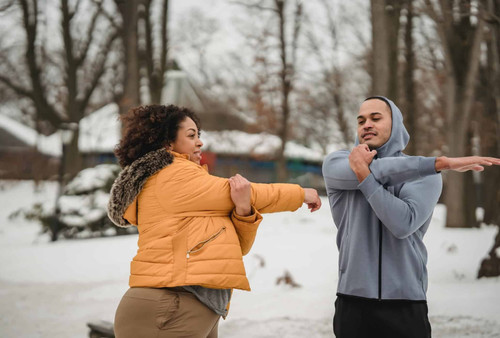
Movement acts as a natural heater and lubricant for your body.
- Increases Temperature: Gentle activity generates internal heat, warming up your muscles from the inside out and reversing that vasoconstriction we talked about earlier.
- Lubricates Joints: Movement pumps synovial fluid around your joints, reducing friction and making motion feel easier.
- Relaxes Muscles: Rhythmic, gentle movement signals your nervous system to relax those guarding muscles, reducing tension.
The key is gentle movement. You don’t need to run a marathon to feel the benefits; simple mobility work is often enough.
Practical Tips for Winter Comfort
You don't have to dread the winter months. Here are some practical, realistic strategies to keep stiffness at bay.
1. Warm Up Before You Go Out
Before you head out to shovel snow or even just walk to the mailbox, do a "pre-warm-up" inside. March in place, do some arm circles, or gently twist your torso. Getting your blood flowing before the cold air hits you can prevent that immediate tensing reaction.
2. Dress in Layers
This seems obvious, but keeping your muscles warm physically helps keep them loose. Wear layers that cover your lower back and neck, two common areas for cold-induced tension. Don't forget good footwear—keeping your feet warm helps maintain better circulation in your legs.
3. Stay Active Indoors
If it’s too cold to exercise outside, adapt your routine. Walking laps at a local mall, doing a yoga video in your living room, or using a stationary bike can keep your joints happy. Aim for frequent, short bouts of movement rather than one long session. Getting up from your desk every hour to stretch is more effective for stiffness than a single gym workout at the end of the day.
4. Hydrate
In the summer, the heat reminds us to drink water. In the winter, the dry air dehydrates us without us realizing it. Dehydrated tissues are more prone to stiffness and cramping. Keep drinking water throughout the day to keep your tissues pliable.
5. Pace Your Activity
Winter chores like shoveling snow are physically demanding. If you aren’t used to that level of activity, pace yourself. Do small amounts at a time and take breaks. Overexertion combined with cold muscles is a recipe for soreness.
How Optimal Health Can Help
Sometimes, despite your best efforts, the winter stiffness lingers or turns into nagging pain. That is where we come in.
At Optimal Health, we don’t just treat symptoms; we look at how your body is moving as a whole. If you are feeling exceptionally stiff, it might be because certain joints aren’t moving as well as they should, forcing your muscles to work overtime.
Our team in South Jersey utilizes a combination of chiropractic care and physical therapy to help you navigate the winter months comfortably.
- Chiropractic adjustments can help restore mobility to stiff joints in the spine and extremities.
- Physical therapy can provide specific exercises to improve circulation and strengthen muscles without aggravating them.
- Soft tissue therapy can help release that "guarded" tension that builds up from the cold.
We focus on education and long-term solutions. We want to teach you how to move safely and effectively so you aren't reliant on quick fixes every time the temperature drops.
Don't Let Winter Freeze Your Progress
Winter doesn't have to mean three months of aches and pains. By understanding how the cold affects you and taking proactive steps to stay warm and mobile, you can enjoy the season without the stiffness.
Remember: Motion is lotion. Keep moving, stay warm, and listen to your body.
If you’re dealing with persistent stiffness this winter that just won't go away, let us help you move better and feel better. Whether you visit us in Egg Harbor Township or Washington Township, our team is ready to help you thaw out and get back to doing what you love.