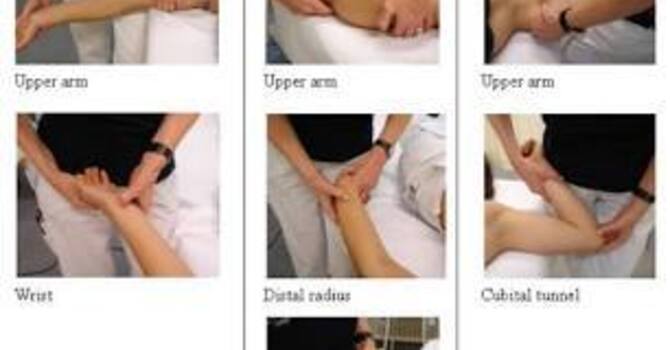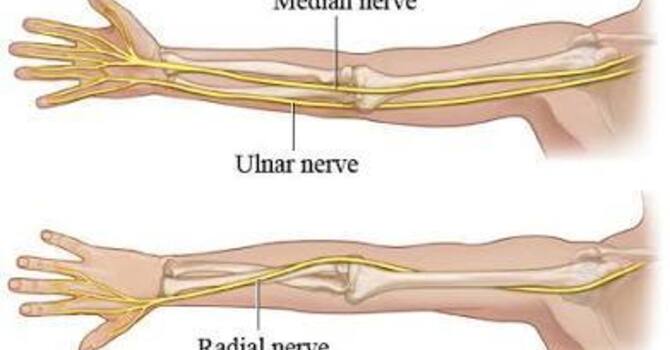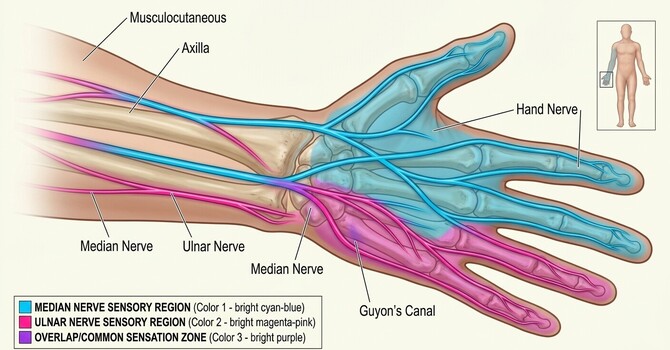
Your arm feels tight, so you pull your fingers back, straighten your elbow or stretch your shoulder. You feel a strong pull, but the symptoms don't improve. Sometimes, the tingling becomes more noticeable.
This is a good reason to pause and reconsider what the sensation means.
A tight feeling doesn't automatically mean a muscle needs more stretching. It can reflect muscle stiffness, sensitivity, restricted movement or a response involving the nervous system.
Muscle tightness and nerve-related symptoms can feel similar
Muscles and nerves occupy the same moving system, and sensations can overlap.
A muscle-related limitation may produce a local pulling sensation during a stretch. Nerve-related symptoms may include tingling, burning, numbness, electrical sensations or symptoms that travel along the arm. But these descriptions aren't enough to make a diagnosis.
A nerve can also be sensitive to movement without being permanently damaged or “stuck.” The pattern of symptoms and the clinical examination help determine what may be happening.
Why pushing harder can backfire
Stretching farther isn't always better.
If a movement repeatedly increases tingling, numbness or radiating pain, forcing the stretch may aggravate your symptoms. It may also make it harder to understand which movements your arm currently tolerates.
That doesn't mean all movement is harmful. It means the starting point should match the problem.
For some people, comfortable range-of-motion exercises are appropriate. Others may benefit from carefully selected nerve sliders, strength work or changes to positions that aggravate symptoms. Some presentations need medical evaluation before an exercise program is started.
What should you pay attention to?
Notice where the sensation occurs, whether it stays in one area or travels, and how long it lasts after you stop the movement.
Also consider whether the symptoms change with neck position, elbow bending, wrist position or gripping. These observations can help guide an assessment, although they don't identify the source on their own.
Persistent numbness, new weakness or declining hand coordination should not be treated as ordinary muscle tightness. These symptoms warrant medical assessment, especially if they are worsening.
How does a clinician decide what to do?
An evaluation may include neck and shoulder movement, strength testing, sensation, reflexes and selected tests of the nerves that travel through the arm.
The clinician considers the whole pattern rather than deciding that a pulling sensation must mean a tight muscle or nerve.
If a mobility restriction is relevant, stretching may be appropriate. If nerve-related sensitivity appears to be part of the problem, a different approach may be needed. If the findings suggest significant nerve dysfunction or another medical condition, referral may be the safest next step.
The goal is to restore useful movement
You shouldn't have to spend every day trying to stretch the tightness out of your arm.
If symptoms are affecting typing, lifting, exercise or work, Optimal Health can help evaluate the neck, shoulder and arm to determine which findings may be contributing. The aim is to select movement and rehabilitation strategies that fit the problem, then adjust them based on how you respond.